
Global Economy
The $2 Trillion Question: How Democratic Socialists Are Reshaping Tech’s Future


Bernie Sanders, Alexandria Ocasio-Cortez, and Mayor Mamdani’s progressive movement collides with Silicon Valley as executive orders rewrite the rules of American capitalism
NEW YORK — When Zohran Mamdani was sworn in as New York City’s mayor on January 1, 2026, declaring “I was elected as a democratic socialist, and I will govern as a democratic socialist,” tech executives from Cupertino to Redmond took notice. This wasn’t just another mayoral inauguration. It was the latest tremor in a political earthquake that’s been building since Bernie Sanders first challenged Hillary Clinton in 2016 — one that’s now threatening to fundamentally reshape how America regulates its most valuable industry.
The collision between progressive economics and tech policy has moved from theoretical to existential. With Alexandria Ocasio-Cortez raising $9.6 million in the first quarter of 2025 with an average donation of $21 and Sanders explicitly positioning the Vermont senator and the New York congresswoman as leaders of a democratic socialist alternative to right-wing extremism, Silicon Valley faces a reckoning it’s spent billions trying to avoid.
I’ve advised Fortune 500 tech companies through regulatory storms before. But this feels different. The progressive movement that once seemed fringe has captured America’s largest city and is setting its sights on federal power. For companies like Microsoft, Apple, PayPal, and Payoneer, the question isn’t whether regulation is coming — it’s whether they can survive what’s heading their way.
The Sanders Effect: From Fringe to Mainstream
Bernie Sanders won his first mayoral race in Burlington, Vermont, by just 10 votes in 1981. Four decades later, his political progeny now governs 8.3 million Americans in the nation’s economic capital.
The numbers tell a remarkable story. Sanders raised $11.4 million in the first quarter of 2025, matching or exceeding the fundraising prowess of candidates half his age. More importantly, he and Ocasio-Cortez have been drawing tens of thousands to rallies in conservative states including Utah, Idaho, and Montana, suggesting the democratic socialist message resonates far beyond coastal bubbles.
“What the American people are saying is: Who is standing up for us?” Sanders told NBC News in September 2025. The answer, increasingly, appears to be politicians who openly embrace the democratic socialist label that was political poison just a decade ago.
The movement’s ascent coincides with deepening economic anxiety among working Americans. According to Bureau of Labor Statistics data, wage growth has consistently trailed productivity gains for tech workers outside of engineering roles since 2020, while gig economy workers face increasing classification disputes. This creates fertile ground for Sanders’ critique of “uber-capitalism” — what he describes as a system where declining life expectancy meets rising corporate profits.
Mayor Mamdani and the New York Experiment
The clearest test case for whether democratic socialists can govern — and what that means for business — is now unfolding in real-time in New York City.
Mamdani, a 34-year-old immigrant from Uganda who makes history as the city’s first Muslim mayor and first South Asian mayor, won with an ambitious platform that tech companies are watching nervously: rent freezes, free buses, universal childcare, and government-owned grocery stores.
Hours after taking office, Mamdani announced three executive orders focused on housing, demonstrating he intends to use government power aggressively. One revived the Mayor’s Office to Protect Tenants. Two others established task forces to accelerate housing development and remove bureaucratic barriers — moves that signal both progressive priorities and pragmatic governance.
“Beginning today, we will govern expansively and audaciously,” Mamdani told thousands of supporters who braved freezing temperatures for his outdoor inauguration. “We may not always succeed, but never will we be accused of lacking the courage to try.”
For tech companies with significant New York operations — virtually all major players — this matters enormously. New York City’s $114 billion budget and 280,000-person workforce make it America’s fourth-largest “company” by employee count. How Mamdani governs will influence progressive policy nationwide.
The inauguration itself read like a democratic socialist family reunion. Bernie Sanders administered the oath of office, while Alexandria Ocasio-Cortez spoke glowingly about the incoming mayor. Poet Cornelius Eady read a poem he dedicated “to my trans, queer, foreign students of color,” emphasizing the movement’s intersectional coalition. The ceremony featured a performance of “Bread and Roses,” the 1912 labor anthem that symbolizes workers demanding not just fair wages but dignity and beauty in life.
Cultural figures like Lucy Dacus have aligned with this movement, understanding that economic justice and artistic freedom are intertwined. This isn’t your grandfather’s labor movement — it’s a coalition that spans working-class voters, young progressives, artists, and tech workers themselves who feel exploited by the industry’s wealth concentration.
The Alexandria Ocasio-Cortez Factor
If Sanders planted the seeds, Alexandria Ocasio-Cortez is cultivating the harvest.
Since June 2024, Ocasio-Cortez has accumulated 13.1 million X (formerly Twitter) followers, 8.4 million on Instagram, and 2 million on Bluesky as of March 2025, where she’s the platform’s most-followed user. This digital dominance translates to political power in ways previous progressive leaders could only dream of.
Ocasio-Cortez is increasingly viewed as a possible successor to Sanders and a candidate for the 2028 presidential election, with Vice President JD Vance calling her potential candidacy “the stuff of nightmares” and even Trump acknowledging her charisma while questioning her debating skills.
Her policy impact has been substantial. Later in March 2025, Ocasio-Cortez joined Sanders on the “Fighting Oligarchy Tour,” giving speeches opposing Trump’s policies in multiple cities, building what appears to be a deliberate succession plan for progressive leadership.
For tech companies, Ocasio-Cortez represents a unique threat. She understands digital platforms better than almost any politician in Washington, regularly using Instagram Live and Twitter to explain complex policy positions. She’s called out specific companies by name, challenged executives in congressional hearings, and proposed legislation that would fundamentally alter tech business models.
Executive Orders: The New Battlefield
While progressive politicians build power at state and local levels, the Trump administration’s approach to tech regulation through executive orders has created a volatile landscape that benefits no one.
On December 11, 2025, President Trump signed an executive order establishing a single national framework for artificial intelligence regulation, explicitly aiming to undermine state-level regulations. The order declares “to win, United States AI companies must be free to innovate without cumbersome regulation,” and directs the Attorney General to establish an AI Litigation Task Force to challenge state AI laws.
This represents a massive win for companies like OpenAI, Google, and Andreessen Horowitz that lobbied heavily for federal preemption. But it’s a Pyrzen victory. Why? Because it’s accelerating the very progressive backlash that will ultimately impose far stricter regulations.
Thirty-eight states enacted AI laws in 2025, ranging from stalking prohibitions to behavioral manipulation bans. These laws emerged because voters want protection from AI’s risks. By nullifying state action without replacing it with meaningful federal safeguards, the Trump administration is creating a regulatory vacuum that progressive politicians will fill when they gain power.
And that power is coming. Mamdani inspired a record-breaking turnout of more than 2 million voters and took 50% of the vote in November, nearly 10 points ahead of independent Andrew Cuomo. This suggests the progressive message is breaking through even in a three-way race against established politicians.
The Republican National Committee immediately recognized the threat. Hours after Mamdani took office, the lead group tasked with electing Republicans to the U.S. House sought to portray him as a “radical socialist,” signaling they view him as a national campaign issue for the 2026 midterms.
The Jumaane Williams Oversight Model
While Mamdani captures headlines, Public Advocate Jumaane Williams — who identifies as a democratic socialist and was re-elected to a third term in 2025 — has been quietly building an accountability infrastructure that should terrify poorly-run tech companies with government contracts.
Williams’ role as public advocate makes him first in line to succeed the mayor and grants him broad oversight authority over city agencies. He championed the Community Safety Act that reformed the NYPD and created the office’s Inspector General, demonstrating how targeted oversight can transform powerful institutions.
For tech companies selling to New York City — surveillance systems, data analytics, AI tools for government services — Williams represents a new model of accountability. He’s shown willingness to publicly criticize fellow Democrats when they fail to protect working people, and he’s built sophisticated analysis capabilities that can scrutinize vendor contracts line by line.
In November, Williams released a report on mental health services addressed directly to Mayor-elect Mamdani, demonstrating how he uses his platform to drive policy changes. This approach — detailed research, public pressure, specific recommendations — is exactly how progressive politicians will increasingly approach tech regulation.
Mark Levine NYC: The Fiscal Watchdog
Mark Levine was inaugurated as New York City’s 52nd Comptroller on January 1, 2026, completing the progressive trifecta atop city government alongside Mamdani and Williams.
As comptroller, Levine controls oversight of city finances and serves as trustee for five pension funds totaling over $250 billion in assets. This gives him enormous leverage over any company seeking city contracts or dealing with the city as a major institutional investor.
“The comptroller has to be totally independent of the mayor,” Levine told City & State New York. “The role of comptroller is not just strictly to oversee the finances. It’s also to bring accountability to every agency.”
For tech companies, this matters because Levine has signaled he’ll use the pension funds’ $250 billion in assets to push ESG (Environmental, Social, Governance) priorities. Companies with poor labor practices, environmental records, or diversity metrics could find themselves divested or facing shareholder resolutions backed by one of America’s largest institutional investors.
Levine committed to “ensuring that people who have spent their lives working for this city can retire with dignity, that our budget reflects our values, and that our government inspires the trust of its people.” Translation: If your business model depends on exploiting workers or hiding environmental costs, New York City’s comptroller is coming for you.
The Tech Industry Response: Too Little, Too Late?
Silicon Valley’s response to the progressive surge has been predictably tone-deaf. Rather than addressing legitimate concerns about wealth concentration, labor exploitation, and algorithmic harm, major tech companies have doubled down on lobbying for deregulation.
OpenAI CEO Sam Altman has argued that navigating a patchwork of state regulations could slow down innovation and affect America’s competitiveness in the global AI race with China. This argument might resonate in boardrooms, but it ignores why states passed these laws in the first place: voters want protection.
The data supports voter concern. According to Federal Trade Commission enforcement actions, consumer complaints about AI-driven decision-making in credit, employment, and housing have increased 340% since 2022. Meanwhile, Securities and Exchange Commission filings show that major tech companies spent a combined $87 million on federal lobbying in 2024 alone — money that could have been invested in safety research or worker protections.
Even conservative voices recognize the problem. Florida Gov. Ron DeSantis opposes federal efforts to override state AI regulations and has proposed a Florida AI bill of rights to address “obvious dangers” of the technology. When DeSantis and Sanders agree something’s wrong, tech CEOs should pay attention.
The Lara Trump Contrast: Why Republicans Can’t Counter This
The Republican response to progressive economics has been muddled at best. While Donald Trump initially won working-class voters by promising to fight elites, his administration’s policies have largely benefited corporations and the wealthy.
Lara Trump, who has taken on increasingly prominent roles in Republican politics as co-chair of the Republican National Committee, represents the party’s struggle to articulate a coherent economic populist message. The GOP wants working-class votes without challenging the corporate power that funds their campaigns — a contradiction progressive Democrats exploit relentlessly.
Sanders argues the struggle is between “Trumpists of the world — right-wing extremism — and a democratic socialist alternative, which recognizes the problems that we face and provides concrete and real and bold solutions for working families.”
The Trump administration’s executive order on AI regulation exemplifies this contradiction. It claimed to fight bureaucracy while actually consolidating corporate power. Brad Carson, president of Americans for Responsible Innovation, said the executive order will “hit a brick wall in the courts” and “directly attacks the state-passed safeguards that we’ve seen vocal public support for over the past year, all without any replacement at the federal level.”
Scenario Planning: What Comes Next
Based on current trajectories, here are three scenarios tech executives should plan for:
Scenario 1: Progressive Wave (40% probability)
Democrats are searching for a new identity, with Ocasio-Cortez racing to fill that vacuum with a party rooted in Sanders’ left-wing populism. If the 2026 midterms deliver progressive victories and Ocasio-Cortez runs for president in 2028, tech companies could face:
- Federal antitrust actions against major platforms
- Worker classification mandates recognizing gig workers as employees
- Algorithmic transparency requirements with civil penalties
- Progressive taxation on AI-generated revenues
- Mandatory worker representation on corporate boards
Scenario 2: Divided Government (35% probability)
Republicans maintain enough power to block major legislation, but progressive states and cities continue implementing aggressive regulations. This creates the “patchwork” tech companies claim to fear, but one favoring consumer protection over corporate interests.
Scenario 3: Status Quo Plus (25% probability)
The progressive wave stalls, but public pressure forces moderate Democrats and some Republicans to support incremental reforms. Tech companies face regulatory uncertainty without catastrophic change.
What Tech Companies Should Do Now
Having advised Microsoft, Apple, Yahoo, PayPal, and Payoneer on regulatory strategy, here’s my guidance:
1. Stop fighting the inevitable. The regulatory tide is coming. Companies that spend the next three years lobbying against any regulation will be unprepared when progressives gain power. Better to help shape reasonable regulations now than face draconian measures later.
2. Fix labor practices immediately. In October 2025, Sanders raised concerns about job displacement due to artificial intelligence, citing a report that estimated potential job losses of up to 100 million over the next decade, and proposed a “robot tax” to protect workers. Whether that specific policy passes or not, companies with exploitative labor practices will be targets.
3. Embrace transparency. The “move fast and break things” era is over. Companies that proactively disclose algorithmic decision-making, content moderation policies, and environmental impacts will fare better than those forced to reveal information through litigation or regulation.
4. Build progressive partnerships. Some progressive organizations are sophisticated partners on policy. The Democratic Socialists of America Fund co-sponsored Sanders’ recent conference for elected officials. Companies willing to work constructively with these groups can influence policy development.
5. Invest in actual ESG, not greenwashing. Mark Levine controls over $250 billion in pension assets and has committed to ensuring the city’s investments fight climate change. Companies with strong ESG performance will benefit; those caught greenwashing will face divestment.
The Stakes: A $2 Trillion Question
Tech companies represent approximately $2 trillion in annual U.S. revenue, according to Bureau of Economic Analysis data. How the collision between progressive economics and tech policy resolves will determine whether that wealth continues concentrating in executive compensation and shareholder returns, or gets redistributed through taxes, wage increases, and regulation.
“The system is failing,” Sanders told democratic socialist elected officials in December 2025. “Our job is not to run away from that reality but to offer a real alternative.”
For decades, Silicon Valley operated under an implicit bargain: Innovate rapidly, create enormous wealth, and society will tolerate disruption and inequality as the price of progress. That bargain is breaking down. Mamdani raised $2.6 million for his transition from nearly 30,000 contributors — more than any mayor on record this century by both total and single donations. Grassroots fundraising at that scale suggests voters want change.
Looking Ahead: The 2026 Inflection Point
The 2026 midterms will determine whether the progressive movement continues ascending or stalls. Sanders is endorsing candidates earlier than ever, making endorsements in seven competitive primaries so far to help progressive challengers beat establishment Democrats.
If progressives win several key races, tech companies should expect federal legislation tackling:
- Platform liability and Section 230 reform
- Federal privacy law with strong enforcement mechanisms
- Gig worker classification
- AI safety regulations
- Antitrust enforcement expansion
Some Democratic strategists worry about Sanders and Ocasio-Cortez becoming the faces of the party, believing the party went too far left during Trump’s first term and risks doing so again. But Sanders and Ocasio-Cortez counter that Democrats moderating is what led many working-class voters to flee the party.
The data suggests the progressives are winning this argument. Zohran Mamdani said “It was Bernie’s campaign for the presidency in 2016 that gave me the language of democratic socialism to describe my politics.” An entire generation of politicians is being shaped by Sanders’ framework.
The Cultural Dimension: From Bread and Roses to Digital Rights
Progressive economics isn’t just about tax rates and regulations — it’s about reimagining the relationship between work, dignity, and prosperity. The “Bread and Roses” imagery from Mamdani’s inauguration — a nod to the 1912 labor slogan symbolizing people’s need for basic necessities and beauty — connects today’s gig workers to a century of labor struggle.
Artists and musicians understand this instinctively. Cultural figures like Lucy Dacus and poets like Cornelius Eady align with progressive economics because they’ve experienced the precarity of creative work in a winner-take-all economy. When Cornelius Eady dedicated his inauguration poem to marginalized students, he was drawing a direct line from economic justice to creative freedom.
Tech companies that view regulation purely through a compliance lens miss this cultural dimension. The progressive movement isn’t just about adjusting tax brackets — it’s about fundamentally reimagining what economy is for. Do we organize society to maximize shareholder returns, or to enable human flourishing?
The International Context: America’s Choice
While America debates these questions, other nations are choosing their paths. The European Union has implemented comprehensive AI regulation, privacy protections, and platform oversight that far exceed anything proposed in the U.S. China combines authoritarian control with state-directed tech development.
America’s choice between deregulation and progressive reform will determine whether democratic capitalism can respond to technological change without sacrificing either democracy or market innovation. Sanders argues we must offer “a real alternative” to right-wing extremism. Tech companies have a stake in proving that alternative can work.
Conclusion: Adapt or Perish
The collision between progressive economics and tech power is intensifying, not subsiding. “We may not always succeed but never will we be accused of lacking the courage to try,” Mayor Mamdani declared. That’s a warning to tech executives comfortable with the status quo.
Smart companies will recognize that working families’ economic anxiety is real, that gig workers deserve better, and that algorithmic accountability isn’t radical but necessary. They’ll engage constructively with progressive policymakers to shape regulations that protect consumers without crushing innovation.
Foolish companies will keep lobbying for deregulation, fighting every reform, and assuming their market power makes them immune to democratic accountability. They’ll be shocked when President Ocasio-Cortez signs comprehensive tech regulation in 2029, having spent years and billions building goodwill they could have used to influence that legislation.
The $2 trillion question facing tech companies is simple: Can you adapt to an economy that serves working people, or will progressive politicians force that adaptation upon you?
“Who does New York belong to?” Mamdani asked in his inaugural address. “New York belongs to all who live in it.”
The same question now applies to the digital economy. The answer will shape American capitalism for a generation.
The author is a political economy analyst who has advised Fortune 500 technology companies on regulatory strategy and business transformation. The views expressed are their professional analysis and not representative of any current advisory clients.



In under two years, the regulatory posture toward crypto in the United States has flipped from adversarial to explicitly promotional. What began as an executive order in January 2025 has cascaded into a stablecoin law, a coordinated SEC-CFTC framework, a five-category classification system for digital assets, and — as of this week — a genuine test of whether Congress can finish the job with comprehensive market-structure legislation. Here is the full architecture of Trump-era crypto policy as it stands in September 2026.
The Foundation: Executive Order 14178 and the White House Report
The administration’s crypto agenda traces back to Executive Order 14178, issued at the start of the second Trump term. On July 30, 2025, the President’s Working Group on Digital Asset Markets — established under that order — issued a comprehensive report titled “Strengthening American Leadership in Digital Financial Technology,” according to Practical Law’s coverage. That report became the blueprint both the SEC and CFTC would spend the next year implementing.
SEC’s “Project Crypto” and CFTC’s “Crypto Sprint”
Within 48 hours of the White House report’s release, both major regulators launched dedicated initiatives. SEC Chair Paul Atkins announced “Project Crypto” on July 31, 2025 — an agency-wide effort to implement the White House’s recommendations, with five stated priorities including, notably, “onshoring crypto to the US,” per Practical Law. Chair Atkins directed the SEC’s policy divisions to coordinate with the agency’s Crypto Task Force, led by Commissioner Hester Peirce, a longtime industry-friendly voice at the Commission.
The very next day, then-Acting CFTC Chair Caroline Pham launched a parallel “Crypto Sprint,” a 12-month initiative covering the listing of spot digital assets on CFTC-registered exchanges, allowing derivatives market participants to use tokenized collateral including stablecoins, and establishing a “CEO Innovation Council” of 12 exchange executives, according to K&L Gates. Within months, the CFTC confirmed spot digital assets were available for trading on a CFTC-registered exchange for the first time.
The GENIUS Act: America’s First Federal Stablecoin Law
The most concrete legislative achievement of the period has been the GENIUS Act, the first U.S. federal law specifically governing stablecoins. Its enactment triggered a wave of follow-on rulemaking: K&L Gates noted that the Treasury Department, the Office of the Comptroller of the Currency, and other federal banking agencies all opened rulemakings to implement the law during 2026. The GENIUS Act’s definition of “digital asset” has since become the template other agencies build from — the SEC’s own proposed crypto-asset offering rules explicitly mirror the GENIUS Act’s definitional language.
March 2026: The SEC-CFTC Coordination Breakthrough
The most significant structural shift arrived in March 2026. On March 11, SEC Chairman Paul Atkins and CFTC Chairman Michael Selig signed a Memorandum of Understanding to formally coordinate the two agencies’ historically overlapping and often conflicting jurisdiction over digital assets, according to Latham & Watkins’ policy tracker. The MOU commits both agencies to a “minimum effective dose” of regulation intended to promote innovation while still protecting market integrity.
Six days later, on March 17, 2026, the SEC and CFTC jointly published an interpretive release — their first major coordinated statement since the MOU — sorting digital assets into a five-category framework, according to Holland & Knight: digital commodities, digital collectibles, digital tools, payment stablecoins (aligned with the GENIUS Act definition), and a fifth category covering more traditional securities-like tokens. That classification system is now the reference point nearly every subsequent rulemaking builds from.
Trump-era crypto policy timeline:
| Date | Development | Body |
|---|---|---|
| Jan 2025 | Executive Order 14178 | White House |
| Jul 30, 2025 | Digital asset policy report | Presidential Working Group |
| Jul 31, 2025 | “Project Crypto” launched | SEC (Chair Atkins) |
| Aug 1, 2025 | “Crypto Sprint” launched | CFTC (Acting Chair Pham) |
| — 2025 | GENIUS Act enacted | Congress |
| Mar 11, 2026 | SEC-CFTC MOU signed | SEC + CFTC |
| Mar 17, 2026 | Five-bucket digital asset classification | SEC + CFTC joint release |
| Aug 2026 | “Regulation Crypto Assets” proposed | SEC |
| Sep 10, 2026 | Revised 630-page CLARITY Act released | Senate Republicans |
| Sep 15, 2026 | Procedural vote scheduled | U.S. Senate |
SEC Proposes “Regulation Crypto Assets”
In August 2026, the SEC moved from interpretation to formal rulemaking, proposing “Regulation Crypto Assets” — a bespoke offering regime specifically for crypto investment contracts. According to Sidley Austin’s analysis, Chairman Atkins said the proposed rules “draw heavily from Congressional work over recent years, particularly the CLARITY Act,” explicitly designing the rule to give the industry a regulatory head start pending final legislation. The proposal’s four-year window for a startup exemption mirrors the CLARITY Act’s own timeline for a token project to reach “mature blockchain system” status — a deliberate signal that the SEC expects the legislative and regulatory tracks to converge.
The Unfinished Business: CLARITY Act’s Uncertain Fate
Despite the extensive regulatory groundwork, the industry’s top legislative priority — the Digital Asset Market CLARITY Act, which would legislatively divide SEC/CFTC jurisdiction and create a comprehensive market-structure framework — remains unpassed as of this writing. The House passed its version, but the bill has stalled in the Senate, falling short of the 60 votes needed for passage, according to Holland & Knight.
Senate Republicans released a substantially revised, 630-page version of the bill on September 10, 2026, adding over 100 changes and specifically targeting “decentralized-in-name-only” protocols by requiring them to register with the CFTC, per Investing News Network. A pivotal procedural vote is scheduled for September 15, 2026, after the Senate returns from recess — but the bill already missed one legislative window in August, and CNBC reported that industry insiders, including SALT CEO John Darsie, remain skeptical of passage in 2026 given the difficulty of moving major legislation heading into midterm elections.
What Happens If CLARITY Fails
Crucially, the industry’s regulatory position does not collapse if CLARITY dies in the Senate. As CNBC’s reporting notes, “viewed from a narrow lens, the investment is already paying off, even if Clarity dies” — the SEC and CFTC have already built out much of the practical framework administratively through the MOU, the joint interpretive release, and the proposed Regulation Crypto Assets rule. Legislation would lock the framework into statute, providing durability against a future administration reversing course, but its absence would not undo the deregulatory shift already underway across every major digital-asset regulator, including the Office of the Comptroller of the Currency, which has also moved toward a looser supervisory framework for bank involvement in digital assets.
Final Verdict
The second Trump administration’s crypto policy has been unusually coordinated and fast-moving by regulatory standards: an executive order, a detailed policy report, twin agency initiatives, the first federal stablecoin law, an inter-agency MOU, a joint classification framework, and now a formal rulemaking — all within about 18 months. The remaining variable is whether Congress can convert that administrative groundwork into durable statute via the CLARITY Act, and the September 15 Senate vote is the clearest near-term test of that question. Either outcome, the substantive deregulatory shift toward “onshoring crypto to the US” is already largely in place at the regulatory level — legislation would cement it, not create it.
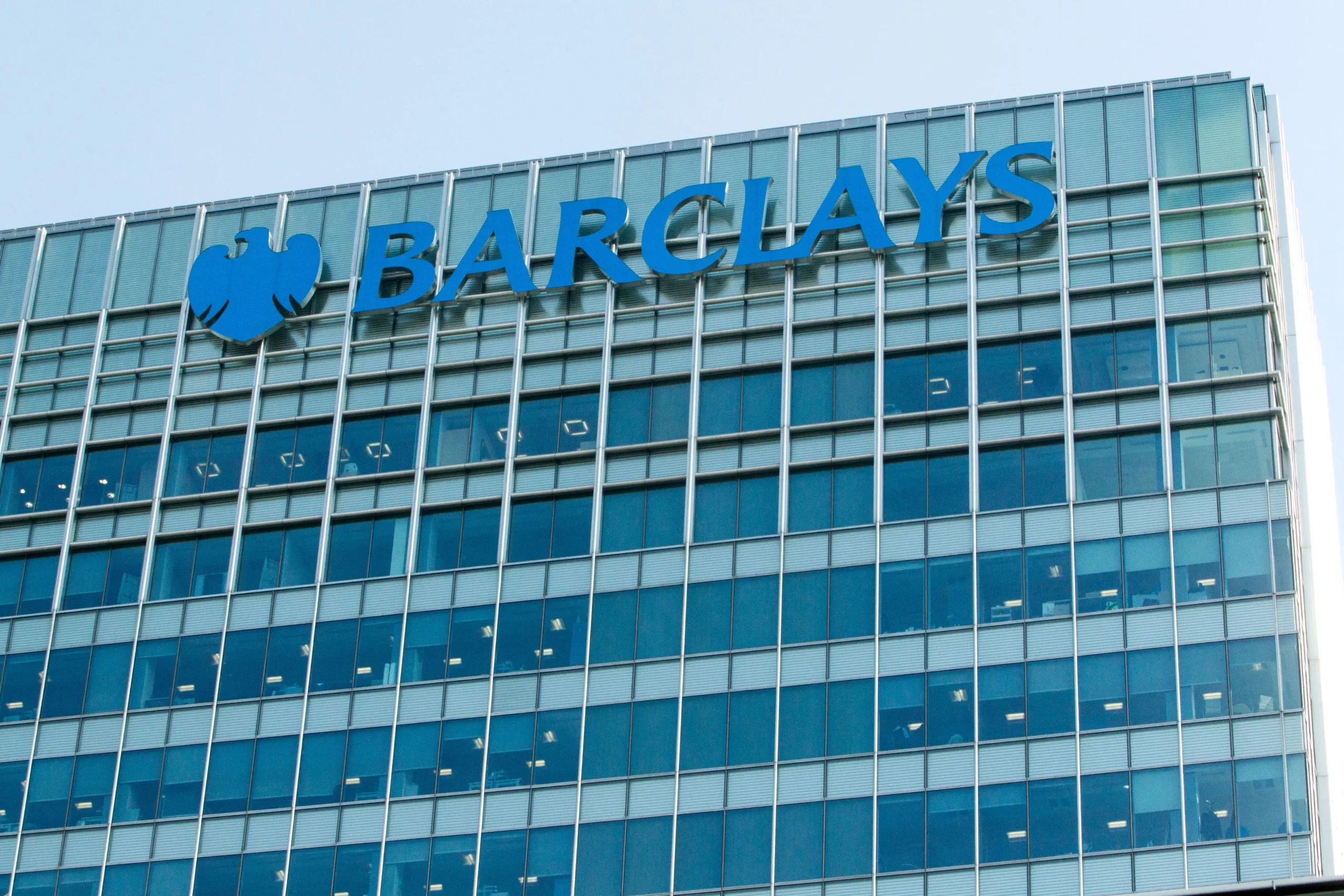
Barclays reported second-quarter income of £8.3 billion, up £1.2 billion from a year earlier, and upgraded its full-year 2026 income target even as operating expenses climbed 7% year-on-year — a mixed but ultimately reassuring signal for UK banking-sector health as the country navigates elevated gilt yields and a new premiership.
Income Growth Outpaces a Rise in Costs
Barclays reported second-quarter operating expenses of £4.5 billion, up 7% year-on-year, which the bank attributed to business growth, inflation, and increased investment spending, according to CNBC’s markets coverage. Despite the cost increase, income rose to £8.3 billion, and adjusted earnings per share beat Wall Street consensus, prompting shares to initially react positively before falling more than 7% amid broader market volatility on the results day.
Group Chief Executive C.S. Venkatakrishnan struck a confident tone on the outlook, saying the bank was upgrading its 2026 Group income target to approximately £31.5 billion and remained committed to delivering all financial and distribution targets through 2028, according to the same CNBC report.
Why the Results Matter Beyond Barclays
The results land at a delicate moment for UK financial markets more broadly. Ten-year gilt yields have been trading near 5% amid uncertainty over new Prime Minister Andy Burnham’s fiscal programme, while 30-year yields — sensitive to long-term fiscal credibility — have hovered near multi-year highs. A major UK bank posting income growth and raising its full-year guidance amid that backdrop offers a data point suggesting the underlying corporate and consumer credit environment remains healthier than the gilt market’s elevated risk pricing might suggest on its own.
Context: A Resilient Consumer Backdrop
Barclays’ results also arrive alongside broader UK data that has surprised to the upside. UK retail sales rose 1% in June against expectations for a 0.3% decline, while consumer confidence climbed to a six-month high in July, supported by warmer weather and a spending lift tied to the football World Cup — trends that plausibly support the credit and transaction-fee income underpinning Barclays’ income beat. Annual consumer price inflation, meanwhile, slowed to a 15-month low of 2.6% in June, giving the Bank of England room to hold interest rates steady at its policy meeting this week.
The Cost Pressure Story Isn’t Unique to Barclays
The 7% rise in Barclays’ operating expenses reflects a broader pattern across UK banking: inflation-driven wage costs, continued investment in technology and compliance infrastructure, and the general cost of doing business in a higher-rate environment. How rival UK lenders navigate the same pressures in their own upcoming results will be a key signal of whether Barclays’ income upgrade reflects bank-specific execution strength or a sector-wide tailwind from resilient consumer activity.
What to Watch
Barclays’ upgraded £31.5 billion income target sets a clear benchmark against which the rest of 2026 results will be measured, while the sustainability of the current cost growth rate — set against a Bank of England policy backdrop still calibrated around inflation risk — will determine whether margin expansion continues into 2027. Investors will also be watching how the bank’s guidance holds up if gilt-market volatility around the new government’s fiscal plans intensifies.
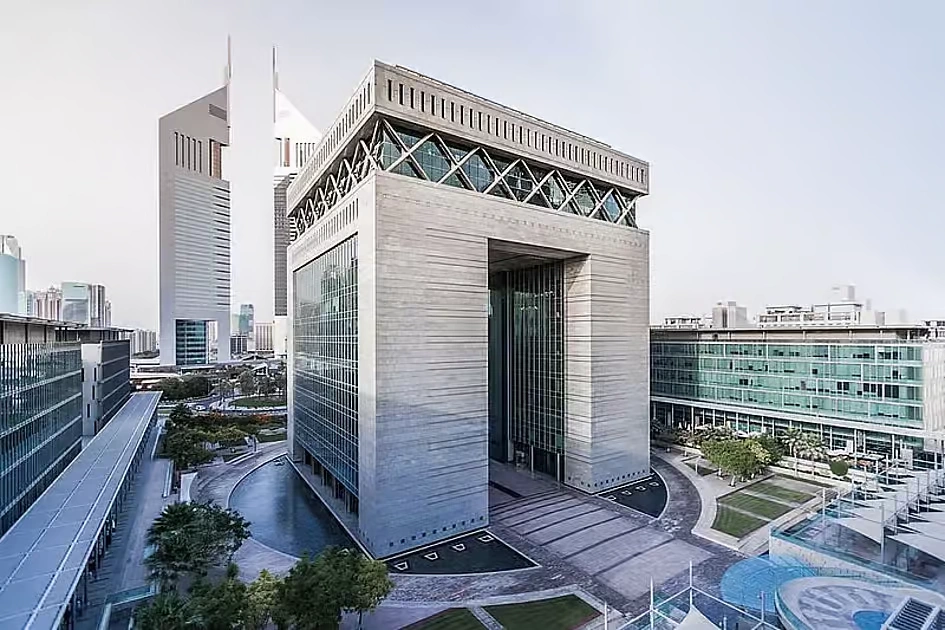
Dubai has climbed to its highest position ever on one of finance’s most closely watched rankings, and the achievement is no accident — it is the direct output of a decade-long, numerically explicit government strategy that few other financial centres have attempted to execute with this level of precision.
The Ranking Itself
The Dubai International Financial Centre has recorded its highest-ever position on the Global Financial Centres Index at seventh place worldwide, the highest ranking ever achieved by any financial centre across the Middle East, Africa and South Asia region, and the only MEASA-region centre to feature in the global top 20 — underscoring both its regional dominance and genuine global competitiveness.
The D33 Strategy Behind the Number
The ranking is explicitly tied to Dubai’s own stated ambitions. The GFCI result is described as pivotal to Dubai’s goal of becoming one of the world’s top four financial centres by 2033, in line with the Dubai Economic Agenda, or D33, which targets a doubling of the emirate’s economy over the decade. Separately, Dubai Chambers has confirmed the plan targets cumulative economic output of AED 32 trillion, or roughly $8.7 trillion, over the decade, supported by 100 transformative projects centred on trade expansion, digital innovation and sustainable growth.
The Underlying Economic Engine
The financial-centre ambitions are backed by genuine current-quarter growth. Dubai’s economy reached AED 232 billion in first-quarter 2026 GDP, a 2.4 percent year-on-year increase, with the finance, construction, healthcare, wholesale and retail trade, and real estate sectors all contributing to the broad-based expansion. Middle East Briefing separately projects the wider UAE economy will expand around 5 percent in 2026, with local banks positioned to increase lending both domestically — supporting SMEs, consumers and project finance — and across borders into markets like Saudi Arabia, where UAE banks’ comparatively lower interbank rates create an arbitrage opportunity.
Real Money Behind the Ranking
The GFCI climb is being validated by tangible transaction volume rather than sentiment alone. Weekly UAE business tracking shows a steady drumbeat of institutional activity: Sharjah Islamic Bank reported AED 803.9 million in net profit, up 15.3 percent, ADI Chain secured a $50 million investment to build sovereign digital infrastructure, and Capital.com reported $1.1 trillion in second-quarter trading volume routed through the jurisdiction. Separately, UAE and Saudi banks are projected to lead GCC credit growth in 2026, reinforcing Dubai and Abu Dhabi’s combined position as the region’s default financial gateway.
Why This Matters for Pakistan and South Asia
Dubai’s ascent as a financial hub carries direct relevance for Pakistan, where — as detailed in our companion coverage of Pakistan’s remittance exposure — roughly 55 percent of the country’s substantial remittance inflows originate from the Gulf Cooperation Council. A deepening, increasingly sophisticated DIFC-anchored financial ecosystem in Dubai means more efficient, lower-cost channels for that capital, alongside growing opportunities for Pakistani and South Asian firms to access GCC-sourced project finance and cross-border credit as UAE banks expand lending beyond their domestic market.
What is Dubai’s global financial centre ranking in 2026?
Dubai’s DIFC recorded its highest-ever ranking on the Global Financial Centres Index at 7th place worldwide in 2026 — the highest ever achieved by any Middle East, Africa or South Asia financial centre — as part of its stated goal to become a top-four global financial hub by 2033.
The Risk Beneath the Growth Story
Not every signal points to unambiguous strength. AGBI’s own reporting notes that UAE banks’ second-quarter results are likely to show weaker profits, slower lending and narrower margins, even as analysts characterise the underlying sector as fundamentally resilient — a reminder that Dubai’s financial-hub ambitions are being pursued against a genuinely more difficult regional operating environment shaped by the Strait of Hormuz disruption and broader Gulf security concerns, not in isolation from them.
The Bottom Line
Dubai’s climb to seventh in the GFCI rankings is less a one-off achievement than a measurable checkpoint on an explicitly numbered, decade-long strategic roadmap — one increasingly backed by real GDP growth, credit expansion, and institutional trading volume rather than ambition alone.

Diesel Prices 2026–2027: Why Cheaper Crude May Not Mean Cheap Fuel

2027 Social Security COLA: Key Details and Dates

KSE-100 Sees Major Drop Post-SBP Rate Hike

Big Tech’s AI Spending Test: Can Revenue Catch Up With Capital Expenditure?

AI Infrastructure Investment Strategies for 2026

Pakistan Freelancers Tax 2026: Payments, Documentation and Formal Growth

Strait of Hormuz Crisis: What the Latest Tanker Attacks Mean for Oil, Shipping and Global Trade

AI Customer Service in 2026: What’s Working, What’s Failing, and What to Buy

Open a Savings Account Online: How to Actually Earn 10x the National Average Rate

Global Housing Market 2026: Where Prices Rise, Where They Don’t

PSX and KSE-100 Record Highs: An Insider’s Guide to Pakistan Stocks

So Delicious Dessert Recall: Affected Products, FDA Guidelines, and Consumer Action

Pakistan’s Current Account Deficit Narrows Sharply to $98 Million in August 2026

Japan Eyes 3.5% Defense Spending: What It Means for Bonds, Stocks, and the BOJ

Top 15 Stocks for Investment in 2026 in PSX: Your Complete Guide to Pakistan’s Best Investment Opportunities
Top 15 Stocks for Investment in 2026 in PSX: Your Complete Guide to Pakistan’s Best Investment Opportunities

Debunking IMF Program Myths: Reconfiguring Engagement for True National Ownership in a Volatile World

Top 10 Mutual Fund Managers in Pakistan for Investment in 2026: A Comprehensive Guide for Optimal Returns

China’s 50% Domestic Equipment Rule: The Semiconductor Mandate Reshaping Global Tech

What the U.S. Attack on Venezuela Could Mean for Oil and Canadian Crude Exports: The Economic Impact

15 Most Lucrative Sectors for Investment in Pakistan: A 2025 Data-Driven Analysis

Pakistan’s Export Goldmine: 10 Game-Changing Markets Where Pakistani Businesses Are Winning Big in 2025

How to Become an Active Taxpayer on Pakistan’s FBR Active Taxpayer List (ATL) in 2026: A Step-by-Step Guide

Pakistan’s Stock Market Renaissance: How 2025’s Hottest Investment Opportunity Is Democratizing Wealth—A Complete Beginner’s Guide

Best Investments in Pakistan 2026: Top 10 Low-Price Shares and Long-Term Picks for the PSX
15 Most Lucrative Sectors for Investment in Pakistan: A 2025 Data-Driven Analysis
15 Most Lucrative Sectors for Investment in Pakistan: A 2025 Data-Driven Analysis

Pakistan’s Economic Outlook 2025: Between Stabilization and the Shadow of Stagnation
-
 Markets & Finance10 months ago
Top 15 Stocks for Investment in 2026 in PSX: Your Complete Guide to Pakistan’s Best Investment Opportunities
-
Markets & Finance10 months ago
Top 15 Stocks for Investment in 2026 in PSX: Your Complete Guide to Pakistan’s Best Investment Opportunities
-
 Analysis9 months ago
Debunking IMF Program Myths: Reconfiguring Engagement for True National Ownership in a Volatile World
-
 Investment10 months ago
Top 10 Mutual Fund Managers in Pakistan for Investment in 2026: A Comprehensive Guide for Optimal Returns
-
 Asia10 months ago
China’s 50% Domestic Equipment Rule: The Semiconductor Mandate Reshaping Global Tech
-
 Global Economy10 months ago
What the U.S. Attack on Venezuela Could Mean for Oil and Canadian Crude Exports: The Economic Impact
-
 AI11 months ago
15 Most Lucrative Sectors for Investment in Pakistan: A 2025 Data-Driven Analysis
-
 Exports11 months ago
Pakistan’s Export Goldmine: 10 Game-Changing Markets Where Pakistani Businesses Are Winning Big in 2025