
Global Economy
Saudi Arabia Signals Strategic Shift in Bond Sales: $58 Billion Borrowing Plan Reveals Cautious Spending Approach While Protecting Vision 2030 Tourism Dreams

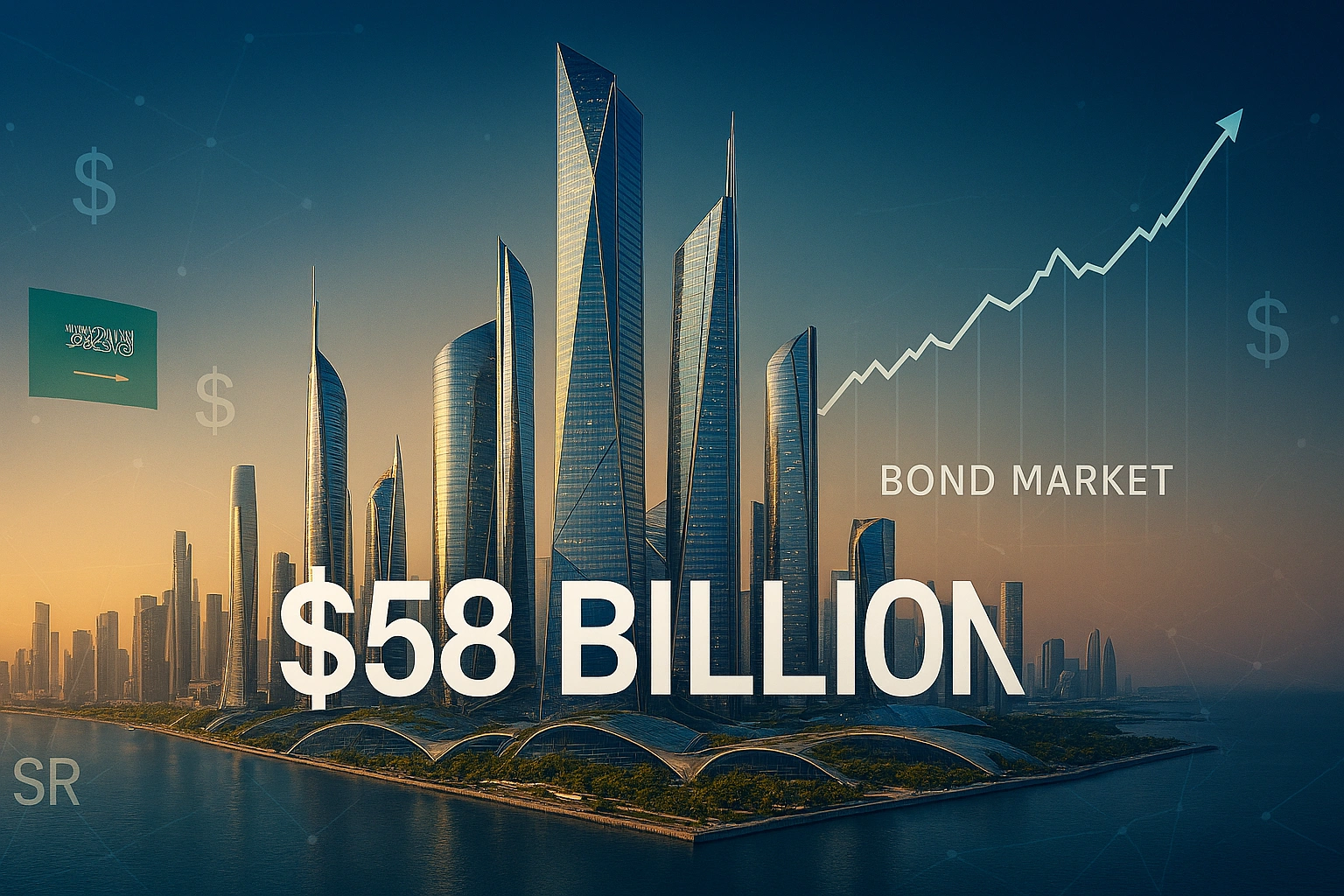
The Kingdom’s latest financing strategy marks a defining moment for travelers, investors, and tourism stakeholders watching the Middle East’s most ambitious transformation unfold.
If you’re tracking Saudi Arabia’s tourism revolution—or planning your next Middle Eastern adventure—the Kingdom’s latest financial announcement carries profound implications far beyond bond markets. This isn’t just about debt management; it’s about how one of the world’s most ambitious tourism and economic transformation programs navigates a challenging global landscape while keeping its promises to travelers worldwide.
Saudi Arabia has unveiled a $58 billion financing forecast for 2026, with the Ministry of Finance confirming that $44 billion will cover the anticipated deficit and $14 billion for principal repayments. But here’s what makes this announcement remarkable for the tourism sector: despite challenging oil market conditions, the Kingdom is maintaining its commitment to Vision 2030 mega-projects while adopting a more measured financial approach.
As someone who’s covered Middle Eastern tourism transformation for over 15 years, I’ve witnessed how financial strategies directly translate into traveler experiences. This borrowing plan tells a nuanced story—one of strategic patience rather than retreat.
Understanding Saudi Arabia’s $58 Billion Financing Forecast
The numbers reveal a Kingdom at an economic crossroads, balancing ambitious development goals against fiscal prudence. International bond sales are expected to represent approximately 25 to 30 percent of total borrowing, between $14 billion to $18 billion, marking what analysts describe as a significant moderation from recent years’ aggressive issuance patterns.
According to Emirates NBD economists, this would mark a slowdown in the rapid expansion of international issuance seen over the past several years, as the Kingdom signals what they characterize as a more cautious approach amid lower oil prices constraining budgets.
The financing structure itself demonstrates sophisticated debt management. The Saudi Ministry of Finance emphasizes the Kingdom aims to maintain sustainability while diversifying funding sources between domestic and international markets through public and private channels—issuing bonds, sukuk, and loans at competitive costs.
What’s particularly interesting for tourism investors: Saudi Arabia also plans to expand alternative government funding through project and infrastructure financing, as well as export credit agencies, during fiscal year 2026 and over the medium term. This signals that mega-tourism projects may increasingly be financed through specialized vehicles rather than traditional sovereign bonds alone.
The International Monetary Fund’s assessment provides crucial context. The overall fiscal deficit is expected to peak at 4.3 percent of GDP in 2025 before declining to approximately 3.3 percent of GDP by 2030, driven by ongoing wage containment and spending efficiency measures. Public debt-to-GDP ratios are projected to rise to about 42 percent by 2030—still remarkably low by global standards.
Why the Kingdom is Easing Bond Sales
Understanding the rationale behind this recalibration requires examining both global and domestic factors reshaping Saudi fiscal policy. The Kingdom isn’t retreating from its ambitions—it’s adapting its financial toolkit.
Oil price dynamics remain the primary driver. While exact 2026 forecasts vary, the energy market faces persistent uncertainty from global economic headwinds, OPEC+ production management, and geopolitical tensions. Oil prices fell nearly 20 percent in 2025 on oversupply concerns, directly impacting Saudi revenue projections.
Yet here’s where the story becomes more optimistic for tourism stakeholders: non-oil revenue growth continues to accelerate. The Kingdom’s economic diversification efforts are bearing fruit, with the IMF projecting Saudi Arabia’s economy to grow 4 percent for both 2025 and 2026, driven substantially by non-oil sector expansion.
Recent analysis from Arab News highlights how international financial institutions are increasingly confident in the Kingdom’s transformation trajectory. The World Bank projects Saudi economy will expand 3.2 percent in 2025, accelerating to 4.3 percent in 2026 and 4.4 percent in 2027.
The bond strategy shift also reflects prudent debt portfolio management. By end of 2025, Saudi Arabia’s debt portfolio demonstrated cautious risk management with 87 percent carrying fixed interest rates, shielding public finances from global rate fluctuations. The average maturity stands at nine years with an average funding cost of 3.79 percent—exceptionally competitive terms reflecting strong investor confidence in the Kingdom’s creditworthiness.
Financial flexibility comes from smart advance planning. The Kingdom secured approximately $16 billion of its 2026 financing needs during 2025, providing cushion against potential market volatility. This forward-thinking approach allows Saudi Arabia to be selective about when and how it accesses international capital markets.
Impact on Vision 2030 Tourism Mega-Projects
Here’s where travelers, hospitality executives, and tourism investors should pay close attention. Despite the measured approach to bond issuances, Saudi Arabia’s flagship tourism developments continue advancing—though perhaps with adjusted timelines or phasing strategies.
NEOM: The $500 Billion Smart City
NEOM remains the crown jewel of Saudi tourism ambitions, encompassing multiple sub-projects including THE LINE, Trojena, Sindalah, and Oxagon. While the project’s ultimate $500 billion price tag seems astronomical, financing increasingly comes from diversified sources rather than sovereign bonds alone.
The Public Investment Fund (PIF), Saudi Arabia’s sovereign wealth fund, serves as NEOM’s primary funder. The kingdom sold $12 billion of bonds on Monday, while the sovereign wealth fund announced a $7 billion Islamic loan signed with 20 banks, demonstrating how both sovereign and quasi-sovereign entities work in tandem to finance transformational projects.
For travelers planning NEOM visits, current indications suggest Sindalah island resort’s Phase 1 remains on track for 2026 openings, while other NEOM components follow adjusted but viable timelines.
Red Sea Project: Luxury Tourism’s New Frontier
The Red Sea Project exemplifies how Saudi Arabia balances financial pragmatism with tourism ambitions. This luxury resort development spanning 28,000 square kilometers will ultimately feature 50 resorts, with visitor numbers capped at one million annually to preserve environmental integrity.
Progress here has been tangible and impressive. According to Red Sea Global’s official updates, the first resort opened in 2023, with 16 resorts in Phase 1 scheduled to open progressively through 2024-2025. The project utilizes specialized project financing structures, partially insulating it from sovereign bond market dynamics.
Investment opportunities remain robust. The Red Sea Project’s emphasis on 100 percent renewable energy, zero waste ambition, and 30 percent net conservation benefit creates compelling propositions for sustainable tourism investors—a sector showing remarkable resilience even during economic uncertainty.
AMAALA: Ultra-Luxury Wellness Destination
AMAALA, targeting ultra-high-net-worth travelers seeking wellness and sports tourism, follows similar financing patterns. Located within the Prince Mohammed bin Salman Royal Reserve, spanning 4,155 square kilometers of Red Sea coastline, AMAALA’s first phase hotels are progressing toward 2025-2026 openings.
With PIF and Red Sea Global budgeting approximately $3 billion for AMAALA and projecting 50,000 job creation, this development demonstrates how Saudi Arabia prioritizes projects with clear economic multiplier effects.
Qiddiya: Entertainment Capital Rising
Qiddiya, the entertainment and sports mega-city near Riyadh, continues advancing with its Six Flags theme park, motorsports facilities, and cultural venues. The $8 billion first phase targets completion by late 2025-2026, though some elements may see adjusted timelines reflecting the Kingdom’s measured spending approach.
For tourism operators and hospitality groups, Qiddiya represents immediate opportunities—the project actively seeks partnerships for e-sports venues, motorsports experiences, hotels, and food and beverage operations.
AlUla: Heritage Tourism Jewel
AlUla’s cultural tourism development, focusing on preserving and showcasing Saudi Arabia’s ancient Nabataean heritage sites, benefits from royal commission dedicated funding. This project’s progression appears less affected by sovereign bond market adjustments, reflecting its strategic importance to Saudi cultural tourism positioning.
What This Means for Travelers and Tourism Investors
Let’s translate financial strategy into practical implications for those planning visits or considering investments in Saudi’s tourism sector.
For Luxury Travelers
If you’re eyeing Red Sea Project resorts or AMAALA wellness retreats, the measured financing approach actually suggests sustainability and thoughtful development over rushed construction. Properties opening in 2025-2026 benefit from this patient capital approach, potentially delivering higher quality experiences than might result from breakneck development pace.
Flight connectivity continues expanding. Saudia and flynas are maintaining route development plans, with new international connections launching throughout 2026. The visa-on-arrival program for citizens of 49 countries remains in effect, making Saudi Arabia increasingly accessible.
Hotel development pipeline remains robust. Major international brands—Marriott, Hilton, IHG, Accor, and others—continue signing management agreements for Saudi properties, demonstrating hospitality industry confidence in the Kingdom’s tourism trajectory regardless of bond issuance fluctuations.
For Tourism Investors and Hospitality Groups
The financing adjustment presents interesting opportunities. Projects may increasingly seek private capital partners, potentially offering more favorable terms than during peak capital abundance periods. Export credit agency financing opens doors for international equipment suppliers and hospitality technology providers.
Real estate investment around tourism destinations like Red Sea Project, NEOM, and Qiddiya continues offering compelling returns. Properties near these mega-developments benefit from infrastructure investments and tourism demand regardless of how the Kingdom finances the core projects.
According to recent tourism sector analysis, real estate near Red Sea tourism projects offers strong appreciation potential, with luxury beachfront villas, serviced apartments, and premium hotel facilities experiencing steady demand driven by increasing tourism and business activities.
For Travel Industry Stakeholders
Tour operators and destination management companies should note that Saudi Arabia’s cautious spending approach doesn’t signal reduced tourism ambition—rather, it suggests more sustainable, realistic development timelines. This actually creates better business planning conditions than over-optimistic schedules followed by delays.
The Kingdom’s emphasis on alternative financing through project finance and export credit agencies may create opportunities for specialized tourism infrastructure providers—from sustainable resort technology to heritage site interpretation systems.
Comparing Saudi’s Approach to Regional Peers
Saudi Arabia’s bond strategy must be understood within the broader Gulf Cooperation Council context, where each member nation navigates similar challenges with different approaches.
The United Arab Emirates, with its more diversified economy and lower oil dependence, maintains robust bond issuance. Qatar, preparing for continued World Cup infrastructure legacy development, follows aggressive financing strategies. Bahrain and Oman, facing tighter fiscal conditions, pursue different debt management approaches reflecting their unique circumstances.
What distinguishes Saudi Arabia is scale—both of its borrowing requirements and its transformation ambitions. No other regional economy attempts anything comparable to Vision 2030’s comprehensive economic and social restructuring.
Credit rating agencies acknowledge this context. Moody’s, S&P Global, and Fitch maintain investment-grade ratings for Saudi Arabia, with recent outlooks stable or positive, reflecting confidence in the Kingdom’s fiscal management and reform momentum.
The measured bond approach positions Saudi Arabia favorably compared to regional peers. While the Kingdom’s debt-to-GDP ratio will rise, it remains substantially below levels considered problematic for emerging markets. This fiscal space provides flexibility to accelerate spending if oil prices recover or slow development if headwinds intensify.
Expert Perspectives and Market Reactions
The financial community’s response to Saudi Arabia’s borrowing plan has been notably positive, with analysts appreciating the strategic flexibility it demonstrates.
Emirates NBD economists characterized the approach as signaling continuing commitment to Vision 2030 diversification while officials demonstrate more caution as lower oil prices constrain budgets. This balanced assessment reflects broader market sentiment—neither pessimistic nor unrealistically optimistic.
Bond markets have responded favorably. Saudi sovereign debt trades with spreads reflecting strong credit quality, and the Kingdom maintains ready access to international capital when choosing to tap those markets. Recent issuances have been oversubscribed, demonstrating sustained investor appetite for Saudi paper.
Tourism industry executives express confidence despite financial market adjustments. International hotel operators continue signing management agreements, airlines expand routes, and tour operators develop Saudi packages—all indicating the travel sector believes in the Kingdom’s long-term tourism trajectory.
Investment analysts note that measured spending on mega-projects may actually enhance long-term viability. Rather than facing abrupt cancellations or indefinite suspensions, projects proceed at sustainable pace aligned with fiscal capacity. This patient capital approach may ultimately deliver better outcomes than boom-bust cycles.
The IMF’s recent Article IV consultation praised Saudi Arabia’s economic management. Directors commended Saudi Arabia’s strong economic performance despite elevated global uncertainty and external shocks, buttressed by ongoing reforms under Vision 2030 to diversify the Saudi economy.
Future Outlook: What to Watch in 2025-2026
Several key milestones will indicate whether Saudi Arabia’s balanced financing strategy successfully supports tourism development while maintaining fiscal sustainability.
Tourism Arrival Numbers: Watch quarterly tourism statistics. Saudi Arabia welcomed over 32 million tourists during the 2025 summer season alone—a 26 percent increase year-over-year. Sustaining this growth trajectory despite global economic headwinds would validate the Kingdom’s tourism strategy.
Project Opening Schedules: Monitor Red Sea Project resort openings, AMAALA first phase launches, and Qiddiya entertainment venue debuts. On-time or near-schedule openings would signal that adjusted financing doesn’t compromise core development timelines.
Non-Oil GDP Growth: The real test of Vision 2030 success lies in non-oil sector contribution to overall economic output. Non-oil real GDP growth above 3.5 percent over the medium term, driven by private consumption and investment, would demonstrate diversification progress regardless of oil price fluctuations.
Bond Market Access: Saudi Arabia’s ability to access international capital markets at competitive terms when choosing to issue bonds will indicate sustained investor confidence. Oversubscribed offerings with tight pricing spreads would validate the Kingdom’s creditworthiness.
Private Investment Flows: Watch for foreign direct investment (FDI) numbers into Saudi tourism sector. Growing private capital despite public sector financing adjustments would signal market confidence transcending government spending levels.
Alternative Financing Development: Growth in project finance deals, export credit agency arrangements, and Public Investment Fund co-investment structures would validate the Kingdom’s diversified financing strategy.
“For travelers planning Saudi visits in 2026 and beyond, the outlook remains compelling. The Kingdom’s tourism infrastructure continues developing, accessibility improves, and experiences diversify. The measured financing approach suggests sustainable development rather than unsustainable boom followed by painful adjustment.“
Frequently Asked Questions
Q: Why is Saudi Arabia reducing bond sales in 2026?
The Kingdom isn’t abandoning bond markets but rather optimizing its financing mix. Lower oil prices necessitate fiscal prudence, while strong non-oil revenue growth and diversified financing sources reduce reliance on traditional sovereign bond issuances. This measured approach maintains fiscal sustainability while continuing Vision 2030 project development.
Q: How will the $58 billion financing affect Vision 2030 tourism projects?
Core tourism mega-projects continue advancing, though potentially with adjusted phasing or timelines. Projects increasingly utilize diversified financing including project finance structures, export credit agencies, and Public Investment Fund mechanisms rather than solely sovereign bonds. This actually may enhance long-term project sustainability by aligning development pace with capital availability.
Q: What does Saudi Arabia’s cautious spending approach mean for tourism investors?
The measured approach creates opportunities for private capital partnerships as the Kingdom seeks alternative financing sources. Projects may offer more favorable terms to attract private investment. The emphasis on fiscal sustainability actually reduces risk of abrupt project cancellations or indefinite delays that might accompany financial crises.
Q: When will Saudi Arabia’s new financing plan take effect?
The 2026 borrowing plan is already operational, with the Ministry of Finance having secured approximately $16 billion in advance funding during 2025. The diversified financing strategy—including bonds, sukuk, loans, project finance, and export credit arrangements—deploys throughout the fiscal year based on specific project needs and market conditions.
Q: How does Saudi Arabia’s borrowing compare to other Gulf nations?
Saudi Arabia’s scale dwarfs other GCC countries given its massive Vision 2030 transformation scope. While the Kingdom’s total borrowing amounts are larger, its debt-to-GDP ratio remains lower than many developed economies. Regional peers like UAE, Qatar, and Kuwait maintain robust credit ratings with different financing strategies reflecting their unique economic profiles and development priorities.
Key Takeaways for Tourism Stakeholders
💡 Key Insight #1: Saudi Arabia’s $58 billion financing plan represents strategic optimization rather than retreat, maintaining Vision 2030 momentum while ensuring fiscal sustainability amid challenging oil markets.
💡 Key Insight #2: Tourism mega-projects continue advancing through diversified financing structures including project finance, export credit arrangements, and Public Investment Fund mechanisms beyond traditional sovereign bonds.
💡 Key Insight #3: The measured approach creates opportunities for private investors as the Kingdom increasingly seeks capital partnerships for tourism infrastructure and hospitality developments.
💡 Key Insight #4: International financial institutions including the IMF, World Bank, and major credit rating agencies maintain confidence in Saudi Arabia’s economic trajectory and reform progress despite near-term fiscal adjustments.


Barclays reported second-quarter income of £8.3 billion, up £1.2 billion from a year earlier, and upgraded its full-year 2026 income target even as operating expenses climbed 7% year-on-year — a mixed but ultimately reassuring signal for UK banking-sector health as the country navigates elevated gilt yields and a new premiership.
Income Growth Outpaces a Rise in Costs
Barclays reported second-quarter operating expenses of £4.5 billion, up 7% year-on-year, which the bank attributed to business growth, inflation, and increased investment spending, according to CNBC’s markets coverage. Despite the cost increase, income rose to £8.3 billion, and adjusted earnings per share beat Wall Street consensus, prompting shares to initially react positively before falling more than 7% amid broader market volatility on the results day.
Group Chief Executive C.S. Venkatakrishnan struck a confident tone on the outlook, saying the bank was upgrading its 2026 Group income target to approximately £31.5 billion and remained committed to delivering all financial and distribution targets through 2028, according to the same CNBC report.
Why the Results Matter Beyond Barclays
The results land at a delicate moment for UK financial markets more broadly. Ten-year gilt yields have been trading near 5% amid uncertainty over new Prime Minister Andy Burnham’s fiscal programme, while 30-year yields — sensitive to long-term fiscal credibility — have hovered near multi-year highs. A major UK bank posting income growth and raising its full-year guidance amid that backdrop offers a data point suggesting the underlying corporate and consumer credit environment remains healthier than the gilt market’s elevated risk pricing might suggest on its own.
Context: A Resilient Consumer Backdrop
Barclays’ results also arrive alongside broader UK data that has surprised to the upside. UK retail sales rose 1% in June against expectations for a 0.3% decline, while consumer confidence climbed to a six-month high in July, supported by warmer weather and a spending lift tied to the football World Cup — trends that plausibly support the credit and transaction-fee income underpinning Barclays’ income beat. Annual consumer price inflation, meanwhile, slowed to a 15-month low of 2.6% in June, giving the Bank of England room to hold interest rates steady at its policy meeting this week.
The Cost Pressure Story Isn’t Unique to Barclays
The 7% rise in Barclays’ operating expenses reflects a broader pattern across UK banking: inflation-driven wage costs, continued investment in technology and compliance infrastructure, and the general cost of doing business in a higher-rate environment. How rival UK lenders navigate the same pressures in their own upcoming results will be a key signal of whether Barclays’ income upgrade reflects bank-specific execution strength or a sector-wide tailwind from resilient consumer activity.
What to Watch
Barclays’ upgraded £31.5 billion income target sets a clear benchmark against which the rest of 2026 results will be measured, while the sustainability of the current cost growth rate — set against a Bank of England policy backdrop still calibrated around inflation risk — will determine whether margin expansion continues into 2027. Investors will also be watching how the bank’s guidance holds up if gilt-market volatility around the new government’s fiscal plans intensifies.
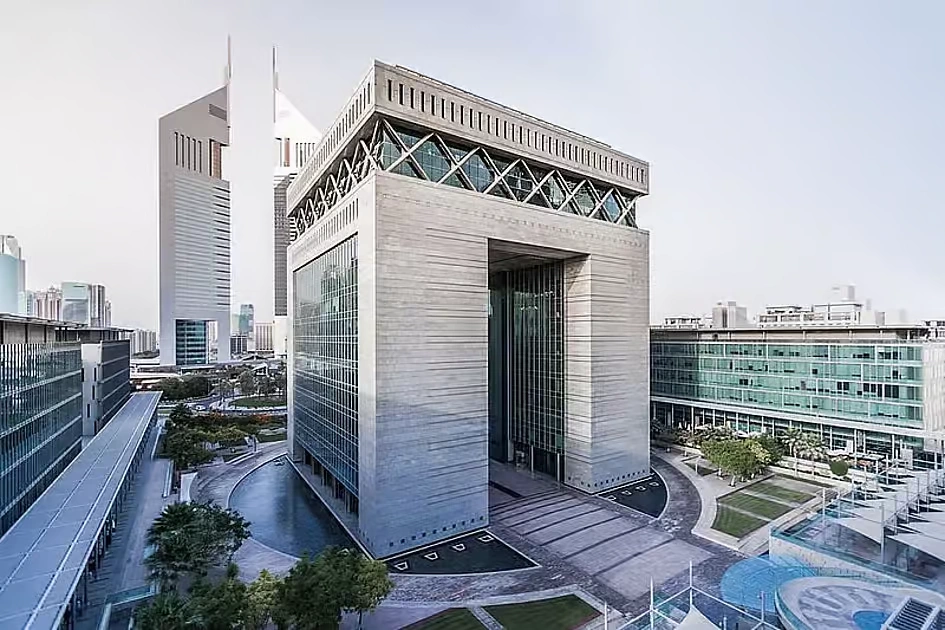
Dubai has climbed to its highest position ever on one of finance’s most closely watched rankings, and the achievement is no accident — it is the direct output of a decade-long, numerically explicit government strategy that few other financial centres have attempted to execute with this level of precision.
The Ranking Itself
The Dubai International Financial Centre has recorded its highest-ever position on the Global Financial Centres Index at seventh place worldwide, the highest ranking ever achieved by any financial centre across the Middle East, Africa and South Asia region, and the only MEASA-region centre to feature in the global top 20 — underscoring both its regional dominance and genuine global competitiveness.
The D33 Strategy Behind the Number
The ranking is explicitly tied to Dubai’s own stated ambitions. The GFCI result is described as pivotal to Dubai’s goal of becoming one of the world’s top four financial centres by 2033, in line with the Dubai Economic Agenda, or D33, which targets a doubling of the emirate’s economy over the decade. Separately, Dubai Chambers has confirmed the plan targets cumulative economic output of AED 32 trillion, or roughly $8.7 trillion, over the decade, supported by 100 transformative projects centred on trade expansion, digital innovation and sustainable growth.
The Underlying Economic Engine
The financial-centre ambitions are backed by genuine current-quarter growth. Dubai’s economy reached AED 232 billion in first-quarter 2026 GDP, a 2.4 percent year-on-year increase, with the finance, construction, healthcare, wholesale and retail trade, and real estate sectors all contributing to the broad-based expansion. Middle East Briefing separately projects the wider UAE economy will expand around 5 percent in 2026, with local banks positioned to increase lending both domestically — supporting SMEs, consumers and project finance — and across borders into markets like Saudi Arabia, where UAE banks’ comparatively lower interbank rates create an arbitrage opportunity.
Real Money Behind the Ranking
The GFCI climb is being validated by tangible transaction volume rather than sentiment alone. Weekly UAE business tracking shows a steady drumbeat of institutional activity: Sharjah Islamic Bank reported AED 803.9 million in net profit, up 15.3 percent, ADI Chain secured a $50 million investment to build sovereign digital infrastructure, and Capital.com reported $1.1 trillion in second-quarter trading volume routed through the jurisdiction. Separately, UAE and Saudi banks are projected to lead GCC credit growth in 2026, reinforcing Dubai and Abu Dhabi’s combined position as the region’s default financial gateway.
Why This Matters for Pakistan and South Asia
Dubai’s ascent as a financial hub carries direct relevance for Pakistan, where — as detailed in our companion coverage of Pakistan’s remittance exposure — roughly 55 percent of the country’s substantial remittance inflows originate from the Gulf Cooperation Council. A deepening, increasingly sophisticated DIFC-anchored financial ecosystem in Dubai means more efficient, lower-cost channels for that capital, alongside growing opportunities for Pakistani and South Asian firms to access GCC-sourced project finance and cross-border credit as UAE banks expand lending beyond their domestic market.
What is Dubai’s global financial centre ranking in 2026?
Dubai’s DIFC recorded its highest-ever ranking on the Global Financial Centres Index at 7th place worldwide in 2026 — the highest ever achieved by any Middle East, Africa or South Asia financial centre — as part of its stated goal to become a top-four global financial hub by 2033.
The Risk Beneath the Growth Story
Not every signal points to unambiguous strength. AGBI’s own reporting notes that UAE banks’ second-quarter results are likely to show weaker profits, slower lending and narrower margins, even as analysts characterise the underlying sector as fundamentally resilient — a reminder that Dubai’s financial-hub ambitions are being pursued against a genuinely more difficult regional operating environment shaped by the Strait of Hormuz disruption and broader Gulf security concerns, not in isolation from them.
The Bottom Line
Dubai’s climb to seventh in the GFCI rankings is less a one-off achievement than a measurable checkpoint on an explicitly numbered, decade-long strategic roadmap — one increasingly backed by real GDP growth, credit expansion, and institutional trading volume rather than ambition alone.
Analysis
Global Central Bank Divergence 2026: Why the Fed, BoE, BoJ, and PBoC Are All Moving Differently
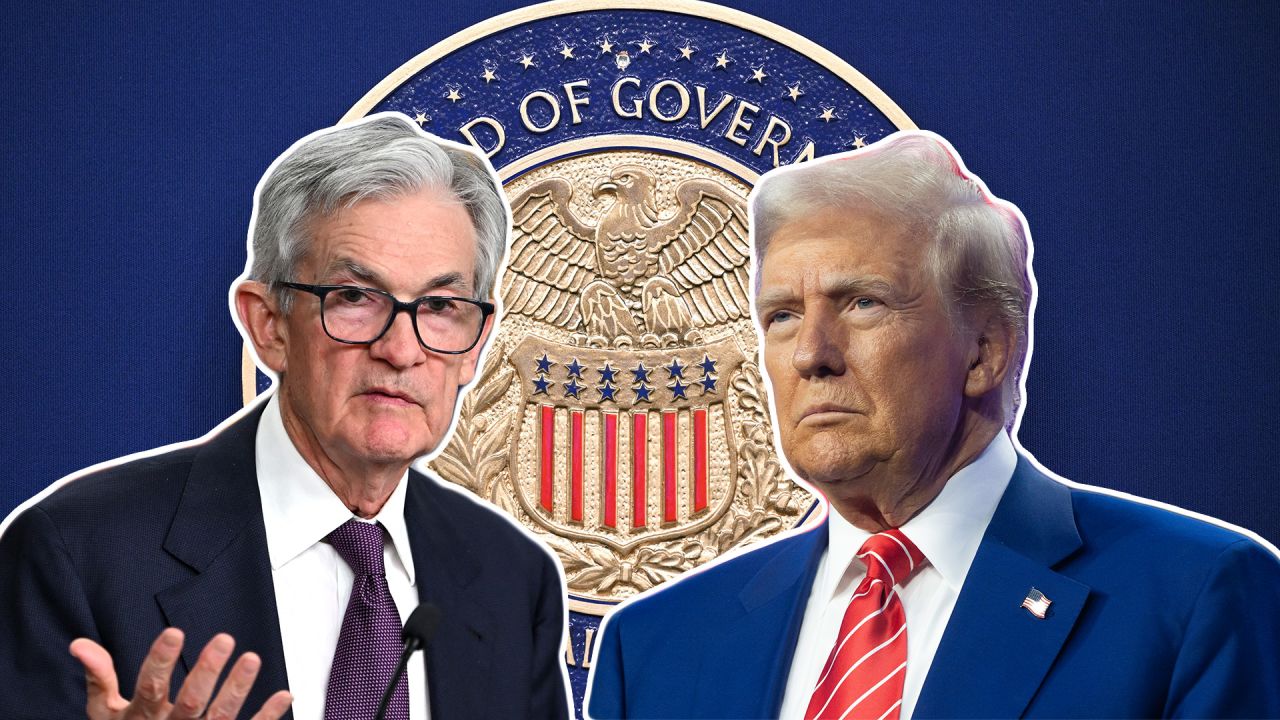
The world’s major central banks are no longer moving in anything resembling lockstep. The Federal Reserve is watching a weakening labor market while weighing energy-driven inflation risk, the Bank of Japan is scaling back bond purchases into a fiscal expansion, the Bank of Russia is cutting rates through sanctions-driven stagnation, and the Bank of England is openly discussing a hike rather than the cuts it signaled just months ago, a divergence in global monetary policy that reflects how unevenly the Iran war’s economic shock has landed across different economies.
The Fed’s Data-Dependent Pivot
Federal Reserve Chairman Kevin Warsh has explicitly asked markets to look to incoming data rather than central bank guidance to map the path for US interest rates, a communication shift that took on new significance after June’s jobs report showed just 57,000 new positions, roughly half the expected pace, according to Yahoo Finance’s markets coverage. Warsh has separately said inflation risks have eased substantially, a combination that has markets betting on a more accommodative Fed even as the central bank has offered no formal commitment ahead of its July 30 decision.
The Bank of England’s Reversal
Few central banks illustrate the scale of the pivot as clearly as the Bank of England. Governor Andrew Bailey said market pricing for two rate cuts this year had looked reasonable before the Iran war lifted inflation risks, according to the Credit Protection Association’s reporting, a statement that effectively closed the door on the easing path the Bank had signaled entering 2026. With UK inflation forecast to climb back toward 3.5% by year end and the base rate held at 3.75%, RSM UK’s analysis suggests a hike, not a cut, is now the more live possibility for the Bank’s July 30 decision, timed to land the same day as the Fed’s own announcement.
Canada and the Bank of Canada’s Cautious Hold
The Bank of Canada has held its policy rate at 2.25% since the spring, balancing a genuinely fragile domestic economy, technically in recession by some measures, against the same energy-driven inflation pressure affecting the UK, according to the central bank’s own announcement. Unlike the Fed or Bank of England, the Bank of Canada’s dilemma is compounded by an unresolved CUSMA trade review, meaning its policy path depends as much on trade negotiation outcomes as on conventional inflation and employment data.
Russia’s Disinflation Campaign, Slowed but Not Abandoned
At the opposite extreme sits the Bank of Russia, which has cut its key rate eight consecutive times since June 2025, from a record 21% down to 14.25% by its June 2026 decision, even as annual inflation remains at 5.6%, well above its 4% target, according to the central bank’s own data. Governor Elvira Nabiullina’s cutting cycle reflects a fundamentally different set of pressures than Western central banks face: a wartime economy where fiscal policy, not conventional demand, drives the inflation picture, and where the central bank’s June cut of just 25 basis points, smaller than the market’s expected 50, signals genuine caution about cutting too fast into persistent pro-inflationary risk from higher domestic energy costs.
Asia’s Split Response
Indonesia and Malaysia illustrate how differently emerging Asian economies are navigating the same global energy shock. Bank Indonesia has held its rate at 4.75% for seven consecutive meetings specifically to defend the rupiah, which has weakened 3.6% year-to-date, according to McKinsey’s regional review, prioritizing currency stability over the growth-supportive easing its 5.61% GDP growth might otherwise justify. Bank Negara Malaysia, by contrast, has benefited from a currency that has held relatively firm, giving it more flexibility, though inflation drifting toward the top of its 1.5% to 2.5% target range, per The Edge Malaysia’s reporting, suggests that flexibility may narrow through the second half of the year.
Japan sits furthest from the rest of the pack. The Bank of Japan has been reducing its own bond purchases even as 10-year Japanese government bond yields have climbed above 2.75%, their highest level since May 2026, according to Trading Economics, a tightening-adjacent move driven as much by concern over Prime Minister Sanae Takaichi’s fiscal expansion plans as by conventional inflation targeting.
China’s Different Problem Entirely
China’s central bank faces a problem none of its peers share: six consecutive quarters of deflation rather than inflation. Societe Generale economist Wei Yao has suggested Chinese bond yields could fall to record lows in 2026 as the People’s Bank of China continues easing, a view consistent with Beijing’s own base case of roughly RMB 1 trillion in additional fiscal stimulus alongside 20 basis points of rate cuts and 50 basis points of reserve requirement ratio cuts, according to Citi Research’s 2026 outlook, cited via Asia Times’ coverage of the Politburo’s domestic demand pivot.
What This Divergence Actually Means
The practical consequence of seven major central banks pursuing seven distinct policy paths is a global capital markets environment where currency volatility, carry trade dynamics, and cross-border capital flows have become considerably harder to forecast using any single macro framework. When Japan’s ultra-low yields anchored global borrowing costs and most Western central banks moved in broad cyclical alignment, currency and rate forecasting rested on relatively stable assumptions about global monetary conditions. That anchor is now gone. Investors positioning across UK gilts, US Treasurys, Japanese government bonds, and emerging Asian debt in the second half of 2026 face a genuinely fragmented policy landscape, one where the same global shock, the Iran war’s energy price spike, has produced hikes, holds, and cuts in near-equal measure depending entirely on each economy’s starting fiscal position, currency exposure, and domestic political constraints.

Monetary Policy and the Policy Rate

Gold, Silver & Bitcoin Prices Q4 2026: Wealth Management Strategies

Business Insurance for Digital Exports: Protecting Your Company in the AI Era

Real Estate Crash Predictions 2026: Data-Backed Regional Guide

What is a “Lead-Left” Bank? Unpacking Morgan Stanley’s Role in Anthropic’s Mega-IPO

Is SPY Overvalued in September 2026? Fed Rate Hike Odds & Intrinsic Value

Pakistan’s KSE-100 Nears Record Territory Even as the Trade Gap Persists

US Consumer Sentiment Sinks as Retail Sales Drop

Barclays Q2 2026 Results: Income Beats, Costs Rise 7%

Pakistan’s Remittance Lifeline: Why Gulf Exposure Is a Hidden Risk

Dubai’s Rise to the World’s 7th Financial Hub: Inside the D33 Push

China EV Exports Hit Record High in 2026

UK’s “National Contributions Tax” Explained: Burnham-Era Reform 2026

Russia’s Strange Problem in 2026: Its Currency Is Too Strong

Top 15 Stocks for Investment in 2026 in PSX: Your Complete Guide to Pakistan’s Best Investment Opportunities
Top 15 Stocks for Investment in 2026 in PSX: Your Complete Guide to Pakistan’s Best Investment Opportunities

Debunking IMF Program Myths: Reconfiguring Engagement for True National Ownership in a Volatile World

Top 10 Mutual Fund Managers in Pakistan for Investment in 2026: A Comprehensive Guide for Optimal Returns

What the U.S. Attack on Venezuela Could Mean for Oil and Canadian Crude Exports: The Economic Impact

China’s 50% Domestic Equipment Rule: The Semiconductor Mandate Reshaping Global Tech

15 Most Lucrative Sectors for Investment in Pakistan: A 2025 Data-Driven Analysis

Pakistan’s Export Goldmine: 10 Game-Changing Markets Where Pakistani Businesses Are Winning Big in 2025
15 Most Lucrative Sectors for Investment in Pakistan: A 2025 Data-Driven Analysis
15 Most Lucrative Sectors for Investment in Pakistan: A 2025 Data-Driven Analysis

Pakistan’s Stock Market Renaissance: How 2025’s Hottest Investment Opportunity Is Democratizing Wealth—A Complete Beginner’s Guide

Pakistan’s Economic Outlook 2025: Between Stabilization and the Shadow of Stagnation
Pakistan’s Economic Outlook 2025: Between Stabilization and the Shadow of Stagnation

China’s Property Woes Could Last Until 2030—Despite Beijing’s Best Censorship Efforts
-
 Markets & Finance8 months ago
Top 15 Stocks for Investment in 2026 in PSX: Your Complete Guide to Pakistan’s Best Investment Opportunities
-
Markets & Finance8 months ago
Top 15 Stocks for Investment in 2026 in PSX: Your Complete Guide to Pakistan’s Best Investment Opportunities
-
 Analysis7 months ago
Debunking IMF Program Myths: Reconfiguring Engagement for True National Ownership in a Volatile World
-
 Investment8 months ago
Top 10 Mutual Fund Managers in Pakistan for Investment in 2026: A Comprehensive Guide for Optimal Returns
-
 Global Economy8 months ago
What the U.S. Attack on Venezuela Could Mean for Oil and Canadian Crude Exports: The Economic Impact
-
 Asia8 months ago
China’s 50% Domestic Equipment Rule: The Semiconductor Mandate Reshaping Global Tech
-
 AI9 months ago
15 Most Lucrative Sectors for Investment in Pakistan: A 2025 Data-Driven Analysis
-
 Exports9 months ago
Pakistan’s Export Goldmine: 10 Game-Changing Markets Where Pakistani Businesses Are Winning Big in 2025