
Banks
Best Investments in Pakistan 2026: Top 10 Low-Price Shares and Long-Term Picks for the PSX


Discover the best investment in Pakistan 2026 with our expert analysis of top 10 best low price shares to buy today in Pakistan and 10 best shares to buy today in Pakistan for long term growth. Data-driven insights on PSX opportunities.
Pakistan’s Equity Market Emerges as a Global Outlier
As dawn breaks over Karachi’s I.I. Chundrigar Road in January 2026, the Pakistan Stock Exchange (PSX) continues a remarkable transformation that has captivated frontier market investors worldwide. The benchmark KSE-100 Index climbed to 185,099 points on January 16, 2026, gaining over 60% compared to the same period last year, cementing Pakistan’s position among the best-performing bourses globally for the third consecutive year. For investors seeking the best investment in Pakistan 2026, understanding this structural shift—from macroeconomic stabilization to corporate earnings acceleration—has become essential.
This comprehensive analysis examines why equities represent the optimal asset class for Pakistani and international investors in 2026, identifies the top 10 best low price shares to buy today in Pakistan with compelling value propositions, and profiles the 10 best shares to buy today in Pakistan for long term wealth creation. Drawing on current data from Arif Habib Limited, AKD Research, Taurus Securities, and authoritative macroeconomic sources including the IMF and Asian Development Bank, we provide rigorous fundamental analysis while acknowledging inherent risks in this frontier market.
Disclaimer: This article is for informational and educational purposes only and does not constitute personalized financial, investment, tax, or legal advice. All investments carry risk, including potential loss of principal. Readers should conduct independent research and consult qualified financial advisors before making investment decisions. Past performance does not guarantee future results.
Pakistan’s Economic and Market Outlook for 2026: Fragile Stability Meets Structural Headwinds
Macroeconomic Fundamentals: Cautious Optimism Amid Reform Fatigue
Pakistan’s economy enters 2026 exhibiting tentative stability following a turbulent 2023-2024 period marked by currency crises, political uncertainty, and devastating floods. The International Monetary Fund projects Pakistan’s real GDP growth at 3.6% for FY2026, moderating from earlier estimates as the nation navigates a delicate balance between IMF-mandated fiscal consolidation and growth imperatives. The IMF’s Extended Fund Facility (EFF), approved in September 2024, has delivered significant progress in stabilizing the economy, with gross foreign reserves reaching $14.5 billion by end-FY25, up from $9.4 billion a year earlier.
The inflation trajectory presents a mixed picture. After touching double digits in 2024, the IMF forecasts consumer price inflation moderating to 6% in FY2026, although recent flood-related food price shocks and energy tariff adjustments create upside risks. The State Bank of Pakistan has begun a monetary easing cycle, cutting the policy rate to three-year lows near 11%, providing tailwinds for interest-rate-sensitive sectors while maintaining real rates sufficiently positive to anchor inflation expectations within the 5-7% target range.
The external account remains Pakistan’s Achilles’ heel. The current account deficit is projected to widen modestly in FY26 due to import-led demand recovery, though remittance inflows—totaling approximately $3 billion monthly—provide crucial support. Pakistan’s economy continues to grapple with structural challenges: energy sector circular debt exceeding PKR 2.5 trillion, tax-to-GDP ratios among the world’s lowest at under 10%, and climate vulnerability underscored by the 2025 floods that disrupted agricultural output.
PSX Performance: From Frontier Backwater to Asia-Pacific Leader
The Pakistan Stock Exchange’s transformation has been nothing short of extraordinary. According to Arif Habib Limited’s strategy report, the KSE-100 Index delivered an impressive 57% USD-based return in FY25, making it the best-performing market in the Asia-Pacific region. This outperformance reflects multiple factors: sharp rerating from depressed valuations (forward P/E expanding from 3x to approximately 8x), robust corporate earnings growth particularly in banking and energy sectors, and sustained domestic liquidity as alternative investment options remain limited.
Looking forward, brokerage houses present divergent but uniformly constructive targets for the KSE-100 in 2026:
- Arif Habib Limited: 208,000 points by December 2026, implying 21.6% upside
- Taurus Securities: 206,000 points, translating to 24% return from levels at end-November 2025
- AKD Research: 263,800 points by December 2026, suggesting 53% appreciation fueled by monetary easing and structural reforms
The market trades at a forward P/E of 6.8x and price-to-book ratio of 1.1x for FY26, attractive relative to regional frontier market averages, suggesting room for further multiple expansion if political stability persists and the IMF program remains on track.
Key Catalysts and Risk Factors for 2026
Growth Drivers:
- Monetary Easing Cycle: Further policy rate cuts anticipated through H1 2026, benefiting leveraged sectors (banks, cement, auto) and stimulating credit growth
- Corporate Earnings Momentum: Earnings growth projected at 14% (excluding banks and E&Ps) for FY26, with overall growth at 9.2%
- Foreign Investment Recovery: AHL forecasts foreign portfolio inflows of $150-200 million in FY26, reversing FY25’s net outflows of $304 million
- Privatization Pipeline: Successful PIA divestment signals renewed reform momentum; DISCO privatizations (IESCO, GEPCO, FESCO) could attract significant capital
- Remittance Resilience: Overseas Pakistani inflows provide structural support to external accounts and domestic consumption
Headwinds and Vulnerabilities:
- Political Uncertainty: Pakistan’s governance remains fragile; policy reversals or institutional conflicts could derail the reform agenda
- Climate Risks: Intensifying monsoons and glacial lake outburst floods threaten agricultural productivity and infrastructure
- Global Trade Tensions: US tariff policies and reciprocal measures create uncertainty for export-oriented sectors
- Energy Sector Malaise: Circular debt overhang and capacity payments strain fiscal resources
- Currency Volatility: PKR depreciation risks persist despite relative stability in recent months
- Tax Revenue Shortfalls: Chronic inability to broaden the tax base constrains fiscal space for development spending
Why Equities Remain the Best Investment in Pakistan 2026
Comparative Asset Class Returns: Equities Dominate
For Pakistani investors navigating a challenging macroeconomic environment, asset allocation decisions in 2026 carry significant weight. According to Arif Habib Limited’s investment strategy report, equities remain the top choice for 2026, with the KSE-100 projected to deliver 21.60% returns, significantly outperforming gold (5.15%), silver (7.89%), and Treasury Bills (10.05%). This performance gap reflects both the depressed starting valuations of Pakistani equities and the repricing potential as macroeconomic stability improves.
Alternative investment classes present less compelling risk-adjusted prospects:
- Real Estate: The property market faces structural headwinds from increased taxation, documentation requirements, and elevated borrowing costs. Rental yields remain anemic in major urban centers, and transaction volumes have slumped. For investors seeking housing or rental income, real estate retains relevance, but capital appreciation appears limited in 2026.
- Fixed Income (Government Securities): With 10-year Pakistan Investment Bonds yielding approximately 12% and Treasury Bills around 10%, fixed income offers respectable nominal returns but struggles to generate meaningful real returns after accounting for 6% inflation. Moreover, falling interest rates will compress bond yields, creating capital losses for holders of long-duration securities.
- Gold and Precious Metals: Traditional inflation hedges like gold face limited upside in a moderating inflation environment. Silver’s industrial demand provides some support, but projected single-digit returns pale compared to equity market potential.
- Foreign Currency (USD/PKR): Currency depreciation expectations of 12.45% suggest the PKR will continue weakening, making USD holdings attractive for capital preservation but inferior to equities for growth.
The Equity Advantage: Structural and Cyclical Tailwinds Converge
Pakistan’s equity market benefits from a unique confluence of factors in 2026:
Valuation Opportunity: Despite the strong 2023-2025 rally, the KSE-100’s forward P/E of 6.8x remains below historical averages and well below regional peers. This suggests the market has not overshot fundamentals, leaving room for continued multiple expansion as foreign investors rediscover Pakistan.
Earnings Growth: Corporate profitability is accelerating across key sectors. Banks are reporting return on equity (ROE) exceeding 20% as net interest margins benefit from still-elevated lending rates. Exploration & production companies are capitalizing on new discoveries and favorable gas pricing. Fertilizer manufacturers enjoy government support and agricultural demand recovery. Cement producers are positioned for infrastructure spending linked to CPEC Phase II and post-flood reconstruction.
Liquidity Environment: The KSE-100 maintains high liquidity with average daily trading volume of $102 million in FY25, ensuring institutional investors can enter and exit positions without significant market impact. Deepening domestic participation—driven by limited alternative investment options—provides a stable demand base.
Dividend Income: Many PSX blue-chips offer attractive dividend yields of 5-10%, providing income streams that cushion against market volatility. In a falling interest rate environment, dividend-yielding stocks become increasingly attractive to income-focused investors.
Shariah-Compliant Options: For investors seeking halal investments, the PSX offers robust Islamic indices (KMI-30, Meezan Pakistan Index) comprising companies adhering to Shariah principles, broadening the investable universe for a significant demographic.
Top 10 Best Low-Price Shares to Buy Today in Pakistan: Value Opportunities in Undervalued Segments
The following ten stocks represent compelling value propositions for investors seeking exposure to Pakistan’s equity market at accessible price points. These names trade at relatively low absolute prices (generally under PKR 300), exhibit strong fundamentals or turnaround potential, and offer meaningful upside based on current valuations. This section focuses on undervalued shares, penny stocks with improving fundamentals, and companies poised to benefit from sector-specific catalysts in 2026.
Important Note: “Low-price” or “penny stock” classification refers to absolute share price, not market capitalization or fundamental quality. Investors should assess these opportunities based on business fundamentals, growth prospects, and risk factors rather than price alone. Position sizing should be conservative, and stop-losses prudent.
1. TRG Pakistan Limited (TRG) – Technology & IT Services
Sector: Technology & Communication
Current Price Range: PKR 75-80
52-Week Range: PKR 49.50 – 84.39
P/E Ratio: 4.97 (TTM)
Market Cap: ~PKR 34 billion
Investment Thesis:
TRG Pakistan operates through its subsidiary in business process outsourcing (BPO), Medicare insurance, and IT-enabled services sectors, with significant exposure to the US market. Trading at an exceptionally low P/E multiple of under 5x, the stock appears undervalued relative to its earnings power. The company has navigated governance challenges and shareholder disputes, which have weighed on sentiment but created an attractive entry point for value investors. Recent corporate actions, including foreign investment inflows and operational restructuring, suggest improving fundamentals. The technology sector globally commands premium valuations; TRG’s discount reflects Pakistan-specific risks and governance concerns that may dissipate in 2026.
2026 Catalysts:
- Resolution of shareholder disputes creating clarity for investors
- Potential foreign investment transactions enhancing liquidity
- BPO sector tailwinds from global companies seeking cost-competitive offshore destinations
- Currency depreciation benefiting USD-denominated revenue streams
Risks:
- Governance and shareholder conflict history
- Limited Shariah compliance (excludes Islamic investors)
- US economic slowdown could impact BPO demand
- High operational leverage to client concentration
2. Engro Fertilizers Limited (EFERT) – Agricultural Inputs
Sector: Fertilizer
Current Price Range: PKR 240-245
52-Week Range: PKR 145.25 – 263.30
P/E Ratio: 14.57 (TTM)
Dividend Yield: ~6-7% (estimated)
Market Cap: ~PKR 428 billion
Investment Thesis:
EFERT operates one of Pakistan’s most efficient urea manufacturing plants (EnVen facility), delivering superior profit margins compared to older competitor facilities. The company’s competitive moat stems from low-cost natural gas feedstock access (government-subsidized) and world-class operational efficiency. Pakistan’s agricultural sector, representing nearly 20% of GDP, requires consistent fertilizer inputs; government subsidies support farmer affordability, ensuring stable demand. EFERT has traded down from 2024 highs above PKR 260, creating a value entry point ahead of the spring 2026 application season. The stock is Shariah-compliant and offers regular dividend income.
2026 Catalysts:
- Agricultural sector recovery following flood-affected FY25 harvest
- Government maintaining fertilizer subsidies to support food security
- Potential gas price stability under IMF program
- Spring and autumn crop application seasons driving volume growth
Risks:
- Natural gas allocation uncertainties (feedstock risk)
- Government policy changes on subsidies or pricing
- Competition from Fauji Fertilizer (FFC) and Fatima Fertilizer
- Monsoon disruptions affecting agricultural activity
- Limited international growth opportunities (domestic market saturation)
3. Faysal Bank Limited (FABL) – Commercial Banking
Sector: Commercial Banks
Current Price Range: PKR 90-95
Target Price (Dec 2026): PKR 104.8 (per broker estimates)
Dividend Yield: 8.9% (CY26E), 10% (CY27E)
EPS: PKR 14.4 (2026E), PKR 16.2 (2027E)
Investment Thesis:
Faysal Bank represents a small-to-mid-cap banking play offering compelling valuation and dividend yield. As interest rates decline through 2026, banks with strong deposit franchises and improving asset quality will benefit from net interest margin stability and lower provisioning requirements. Faysal Bank’s relatively low absolute share price makes it accessible to retail investors, while institutional participation remains limited, creating potential upside as the name gains visibility. The banking sector overall appears positioned for strong 2026 performance given falling funding costs, improving loan growth, and robust capital adequacy ratios. Faysal’s dividend policy—targeting 8-10% yields—provides attractive income while investors await capital appreciation.
2026 Catalysts:
- Monetary easing cycle expanding net interest margins
- Credit growth recovery as private sector borrowing improves
- Asset quality improvements reducing provisioning charges
- Potential M&A interest from larger banks or foreign investors
Risks:
- Smaller scale limits competitive positioning vs. Big-5 banks
- Asset quality deterioration if economic recovery falters
- Concentration risks in loan book (SME, agriculture segments)
- Regulatory changes affecting profitability (ADR/CRR requirements)
4. Attock Cement Pakistan Limited (ACPL) – Construction Materials
Sector: Cement
Current Price Range: PKR 200-220 (estimated)
Market Position: Mid-tier cement producer
Investment Thesis:
Pakistan’s cement sector stands to benefit from multiple demand drivers in 2026: CPEC-related infrastructure development, government low-cost housing initiatives (5 million homes program), post-flood reconstruction, and private sector construction recovery. Attock Cement, part of the diversified Attock Group, operates efficient production capacity in northern Pakistan, serving key consumption centers. The sector faced overcapacity pressures in FY25, but capacity utilization is improving as demand recovers. Cement stocks are cyclical plays on economic growth; with GDP forecast at 3.6%, domestic consumption should strengthen. Export opportunities to Afghanistan (pending border reopening) and other regional markets provide upside optionality.
2026 Catalysts:
- Infrastructure spending linked to CPEC Phase II and provincial development
- Post-flood reconstruction driving cement demand
- Potential Afghanistan border reopening restoring export volumes
- Energy cost moderation improving margins
Risks:
- Sector overcapacity triggering price competition
- Energy costs (coal, electricity) volatility
- Monsoon seasonality disrupting construction activity
- Cement levies and taxation increasing input costs
- Afghanistan trade relations remain uncertain
5. Pakistan Petroleum Limited (PPL) – Energy (Exploration & Production)
Sector: Oil & Gas Exploration
Current Price Range: PKR 217.2 (Dec 2025 reference)
Target Price: PKR 261 (Dec 2026, per broker estimates)
EPS: PKR 34.6 (2026E), PKR 35.3 (2027E)
Dividend Yield: 6.0% (2026), 6.9% (2027)
Investment Thesis:
PPL complements OGDC as a major E&P sector investment, offering exposure to Pakistan’s hydrocarbon production with attractive dividend yields. The company has maintained strong free cash flow generation through efficient operations and strategic asset development. Recent discoveries in the Nashpa Block and other exploration areas enhance reserve replacement ratios, critical for long-term sustainability. E&P stocks benefit from energy price stability and government support for domestic production to reduce import dependency. PPL’s joint ventures with international oil companies provide technical expertise and de-risk exploration activities. The stock’s relatively low price point compared to historical levels suggests a value entry, particularly for income-seeking investors attracted by 6-7% dividend yields.
2026 Catalysts:
- New well completions and production ramp-ups
- Favorable gas pricing negotiations with government
- Discovery upside from ongoing exploration programs
- Stable global oil prices supporting profitability
Risks:
- Exploration risk (dry wells, geological uncertainties)
- Government gas pricing policies affecting revenue
- Regulatory changes in petroleum sector
- Mature fields facing natural production decline
- Currency risk on dollar-denominated revenues
6. D.G. Khan Cement Company Limited (DGKC) – Construction Materials
Sector: Cement
Current Price Range: PKR 180-200 (estimated)
Market Cap: Mid-tier cement producer
Investment Thesis:
DGKC, part of the Nishat Group conglomerate, operates significant cement manufacturing capacity in Punjab and Khyber Pakhtunkhwa provinces. The company benefits from proximity to major consumption centers (Lahore, Islamabad, Peshawar) and efficient logistics infrastructure. DGKC has historically traded at discounts to sector leader Lucky Cement, creating relative value opportunities. The stock appeals to investors seeking cement sector exposure at more accessible price points than LUCK. Nishat Group’s financial strength and diversification (banking through MCB, textiles, power) provide implicit support. Cement demand fundamentals remain constructive for 2026 given infrastructure requirements and construction activity recovery.
2026 Catalysts:
- Market share gains in northern Pakistan construction markets
- Potential capacity expansions or efficiency improvements
- Provincial infrastructure projects (roads, bridges, housing)
- Corporate action potential (dividends, buybacks) given Nishat Group’s shareholder-friendly approach
Risks:
- Intense competition from Lucky Cement, Bestway, and others
- Energy cost pressures compressing margins
- Seasonal construction slowdowns (monsoons)
- Overcapacity in Pakistan cement industry
- Economic slowdown reducing cement offtake
7. Maple Leaf Cement Factory Limited (MLCF) – Construction Materials
Sector: Cement
Current Price Range: PKR 40-50 (estimated based on historical patterns)
Export Markets: Afghanistan, Middle East, Africa
Investment Thesis:
Maple Leaf Cement represents a more speculative, high-risk/high-reward play within the cement sector. The company’s export focus to Afghanistan and African markets differentiates it from domestically-oriented peers but also introduces geopolitical and logistical risks. Recent corporate actions, including the announced acquisition of a majority stake in Pioneer Cement, signal growth ambitions and potential value creation through consolidation. MLCF has historically exhibited higher volatility than larger cement names, attracting traders and speculators. For long-term investors, the stock offers exposure to Pakistan’s cement industry at a deep discount to sector leaders, with optionality on successful M&A execution and export market development.
2026 Catalysts:
- Pioneer Cement acquisition closing and synergy realization
- Afghanistan border reopening restoring export volumes
- African market penetration and volume growth
- Domestic market share gains through competitive pricing
Risks:
- Afghanistan political instability and trade disruptions
- Export logistics complexities and shipping costs
- Integration risks from M&A activity
- Financial leverage increasing with expansion investments
- Smaller scale limiting pricing power vs. industry leaders
8. Agritech Limited (AGL) – Agricultural Technology/Inputs
Sector: Miscellaneous/Agriculture
Current Price Range: Under PKR 100 (estimated for accessibility)
Investment Thesis:
Pakistan’s agriculture sector, employing nearly 40% of the workforce, requires modernization and technology adoption to improve yields and resilience. Companies operating in agricultural technology, inputs (seeds, pesticides), or value-added processing stand to benefit from government initiatives supporting food security and farm productivity. While specific fundamentals for smaller agricultural plays vary, the sector offers thematic exposure to Pakistan’s structural need for agricultural development. Investors should conduct thorough due diligence on individual companies in this space, focusing on those with government contracts, innovative products, or strong distribution networks.
2026 Catalysts:
- Government agricultural subsidies and support programs
- Climate-resilient crop varieties gaining adoption
- Export opportunities for agricultural products
- Technology partnerships with international agritech firms
Risks:
- Weather dependency and climate volatility
- Small-cap liquidity challenges
- Limited financial transparency in some firms
- Commodity price fluctuations
- Government policy changes affecting profitability
9. National Bank of Pakistan (NBP) – Commercial Banking
Sector: Commercial Banks
Current Price Range: PKR 80-90 (estimated)
Dividend Yield: 10.1% (CY25), 10.9% (CY26)
Government-Owned: Yes (majority stake)
Investment Thesis:
As Pakistan’s largest state-owned bank by branch network, NBP offers a unique investment profile combining government backing with commercial banking upside. The bank’s extensive rural and semi-urban presence positions it to capture government-to-person (G2P) payment flows, agricultural lending, and remittance business. NBP has historically lagged private-sector banks (MCB, UBL, HBL) in profitability and efficiency metrics, but ongoing digitalization efforts and management reforms could narrow this gap. The stock’s primary appeal lies in exceptional dividend yields exceeding 10%, attractive for income-focused investors, and implicit government support reducing credit risk. Privatization speculation occasionally surfaces, which would likely revalue the franchise at a premium.
2026 Catalysts:
- Digital banking initiatives improving efficiency
- Agricultural lending growth with government support
- Potential privatization or strategic partnership
- Dividend sustainability given strong capital ratios
Risks:
- Government ownership limiting operational flexibility
- Asset quality pressures from government-directed lending
- Slower technology adoption vs. private banks
- Political interference in management decisions
- Branch network rationalization costs
10. Hum Network Limited (HUMN) – Media & Entertainment
Sector: Media & Broadcasting
Current Price Range: PKR 5-8 (estimated penny stock)
Investment Thesis:
Hum Network operates Pakistan’s leading entertainment television channels, including Hum TV, known for popular drama serials that command significant viewership across South Asia and the diaspora. The stock trades at extremely low absolute prices, reflecting challenges in Pakistan’s media sector (advertising slowdowns, regulatory pressures, piracy). However, the company’s content library has enduring value, and digital distribution opportunities (streaming platforms, YouTube) offer monetization potential beyond traditional TV advertising. This is a highly speculative position suitable only for investors comfortable with entertainment sector volatility and penny stock risks. Upside scenarios include content licensing deals, international partnerships, or acquisitions by larger media groups.
2026 Catalysts:
- Digital streaming revenue growth (YouTube, OTT platforms)
- Content export to Middle East and international markets
- Advertising market recovery with economic stabilization
- M&A interest from regional media groups
Risks:
- Penny stock volatility and liquidity constraints
- Advertising market remaining subdued
- Regulatory uncertainties in media sector
- Content production costs rising
- Piracy impacting revenue realization
- Limited financial transparency
Investment Strategy for Low-Price Shares:
These ten opportunities span multiple sectors and risk profiles. Conservative investors should focus on established names like EFERT, PPL, and Faysal Bank, which offer reasonable valuations, dividend income, and lower volatility. More aggressive investors might allocate smaller portions to speculative plays like TRG, MLCF, or HUMN, recognizing heightened risk but also asymmetric upside potential.
Diversification is critical: No single position should exceed 5-10% of an equity portfolio. Regularly review holdings, set stop-losses (typically 15-20% below entry), and take profits incrementally as targets are achieved. Always confirm current prices, fundamentals, and news flow before initiating positions, as market conditions evolve rapidly.
10 Best Shares to Buy Today in Pakistan for Long-Term Growth: Blue-Chip Quality and Dividend Compounding
For investors prioritizing wealth preservation, steady compounding, and lower volatility, the following ten stocks represent Pakistan’s premier blue-chip franchises. These companies demonstrate durable competitive advantages, consistent profitability, robust dividend policies, and resilience through economic cycles. Long-term holdings (3-5+ year horizon) in these names have historically generated mid-to-high teens annualized returns, significantly outpacing inflation and fixed income alternatives.
1. United Bank Limited (UBL) – Banking Sector Leader
Sector: Commercial Banks
Current Price: PKR 495.90 (as of Jan 7, 2026)
Market Cap: Over $3 billion (PKR 1.24 trillion)
1-Year Performance: +50%+
P/E Ratio: ~10x (estimated)
Dividend Yield: 5.37%
Why It’s a Top Long-Term Pick:
United Bank Limited has surged past the $3 billion market capitalization threshold, making it one of Pakistan’s most valuable financial institutions. UBL operates an extensive branch network exceeding 1,765 branches nationwide, providing unmatched distribution reach for deposits and lending. The bank’s diversified business model—spanning retail, corporate, SME, and international operations—reduces concentration risk and generates stable earnings through economic cycles.
UBL’s strength lies in superior asset quality, digital banking leadership, and consistent dividend payments. The bank reported robust Q1 FY25 results with profit after tax surging 124% year-over-year, demonstrating operating leverage as interest rates moderate. Management’s focus on high-margin segments (credit cards, consumer finance, trade finance) positions UBL to benefit from Pakistan’s credit growth recovery in 2026. As a subsidiary of Bestway Group (UK), UBL benefits from international expertise and capital access.
Long-Term Growth Drivers:
- International operations providing geographic diversification and FX earnings
- Remittance market leadership (HBL Express branches worldwide)
- Digital banking platform HBL Konnect gaining traction
- Trade finance dominance supporting export/import businesses
- AKFED ownership ensuring strong governance and stability
Risks:
- Regulatory scrutiny in international markets (AML/CFT compliance costs)
- Geopolitical risks affecting overseas operations
- Domestic market share pressures from aggressive competitors
- Technology infrastructure investments requiring capital
Long-Term Target: PKR 220-250 (2027-2028), with steady dividend income
4. Oil & Gas Development Company Limited (OGDC) – Energy Sector Backbone
Sector: Oil & Gas Exploration & Production
Current Price: PKR 175-185 (estimated)
Market Cap: Largest E&P company in Pakistan
Dividend Yield: 6-8% (historical average)
Government Ownership: Significant stake (strategic asset)
Why It’s a Top Long-Term Pick:
OGDC operates as Pakistan’s flagship exploration and production company, contributing approximately 50% of domestic oil and gas production. The company’s massive acreage position across Pakistan provides extensive exploration optionality, while producing fields generate strong cash flows supporting generous dividend distributions. OGDC’s quasi-government status ensures access to prime exploration blocks and preferential treatment in licensing rounds.
The E&P sector benefits structurally from Pakistan’s energy deficit and import substitution policies. OGDC’s diversified asset base—spanning oil wells, gas fields, and LPG production—reduces commodity price risk. Recent discoveries and appraisal wells suggest meaningful reserve additions ahead, critical for maintaining production plateaus. For long-term investors, OGDC offers a rare combination of energy sector exposure, dividend income exceeding 6%, and inflation hedge characteristics (hydrocarbon prices correlating with general price levels).
Long-Term Growth Drivers:
- Exploration success adding reserves and extending production life
- Government support for domestic production (pricing, regulatory)
- Energy demand growth driven by economic expansion and population
- LPG business providing margin upside
- Dividend sustainability from strong free cash flow generation
Risks:
- Mature field production declines
- Government interference in pricing and operational decisions
- Exploration risk (dry wells, geological complexity)
- Global energy transition reducing long-term hydrocarbon demand
- Currency risk on dollar-linked revenues
Long-Term Target: PKR 220-240 (2027-2028), with 6-8% annual dividends
5. Lucky Cement Limited (LUCK) – Cement Sector Champion
Sector: Cement
Current Price: PKR 420-450 (estimated)
Market Cap: Largest cement producer by market value
Dividend Yield: 3-4%
Regional Presence: Pakistan, Iraq, DRC (Congo)
Why It’s a Top Long-Term Pick:
Lucky Cement dominates Pakistan’s cement industry with the largest market capitalization, most efficient operations, and strongest brand equity. The company’s integrated operations—clinker production, cement grinding, coal mining, power generation—provide cost advantages and margin resilience. Lucky’s international expansion into Iraq and Democratic Republic of Congo demonstrates management’s ambition and provides geographic diversification beyond Pakistan’s cyclical construction market.
The stock has historically commanded premium valuations reflecting quality, operational excellence, and growth execution. Lucky’s consistent profitability through cement sector downturns, combined with prudent capital allocation and regular dividends, makes it a defensive play within the cyclical construction materials sector. The company’s balance sheet strength positions it to pursue consolidation opportunities or capacity expansions when sector conditions warrant.
Long-Term Growth Drivers:
- Domestic infrastructure boom (CPEC Phase II, housing programs)
- Export markets (Iraq, Afghanistan, East Africa) reducing Pakistan dependency
- Operational efficiency gains from technology and process improvements
- Potential M&A creating consolidation value
- Energy cost management through captive power and coal supply integration
Risks:
- Cement sector overcapacity pressuring pricing
- Energy cost volatility (coal, electricity)
- International operations carrying geopolitical and operational risks (Iraq, DRC)
- Competition from Bestway, DG Khan, and others
- Economic slowdown reducing construction activity
Long-Term Target: PKR 550-600 (2027-2028), with modest dividend contributions
6. Fauji Fertilizer Company Limited (FFC) – Fertilizer Industry Leader
Sector: Fertilizer
Current Price: PKR 140-150 (estimated post-split or adjusted)
Market Cap: Dominant urea producer
Dividend Yield: 5-7%
Shareholder: Fauji Foundation (military-linked conglomerate)
Why It’s a Top Long-Term Pick:
FFC operates Pakistan’s most extensive fertilizer manufacturing network, with plants strategically located near gas fields to secure low-cost feedstock. The company’s market leadership in urea (Pakistan’s most-consumed fertilizer) provides pricing power and volume stability. Fauji Foundation’s ownership ensures operational continuity, access to capital, and alignment with national agricultural priorities.
Pakistan’s chronic food security challenges necessitate consistent fertilizer availability, making FFC’s operations nationally critical. Government subsidies support farmer affordability, while FFC’s efficient operations deliver healthy margins even during subsidy reductions. The company’s diversified product portfolio (urea, DAP, CAN) reduces single-product risk. For long-term investors, FFC offers stable cash flows, regular dividends (5-7% yields), and defensive characteristics (agriculture is less economically sensitive than industrial sectors).
Long-Term Growth Drivers:
- Agricultural demand growth from population expansion and food requirements
- Government support maintaining fertilizer subsidies
- Natural gas feedstock access at concessional rates
- Potential expansions into value-added products or international markets
- Dividend sustainability from strong balance sheet
Risks:
- Government subsidy policy changes
- Natural gas allocation uncertainties (feedstock interruptions)
- Competition from EFERT, Fatima Fertilizer
- Import parity pricing pressures from international urea markets
- Environmental regulations on emissions
Long-Term Target: PKR 180-200 (2027-2028), with consistent dividend income
7. Systems Limited (SYS) – Technology & IT Services
Sector: Technology
Current Price: PKR 600-650 (estimated)
Market Cap: Leading IT services and software company
Dividend Yield: 2-3%
Export Focus: 80%+ revenues from international clients
Why It’s a Top Long-Term Pick:
Systems Limited represents Pakistan’s premier technology export success story, delivering software development, business process services, and technology solutions to clients across North America, Middle East, and Europe. The company’s client roster includes Fortune 500 companies, testifying to service quality and competitive positioning. Systems Limited benefits from Pakistan’s cost-competitive IT talent pool, earning USD-denominated revenues while managing PKR-denominated costs—a natural currency hedge.
The global shift toward digital transformation, cloud computing, and AI integration drives sustained demand for offshore IT services. Systems Limited’s investments in emerging technologies (AI/ML, blockchain, IoT) position it to capture premium segments. For long-term investors, the stock offers exposure to secular technology trends, dollar revenue streams, and growth potential exceeding traditional sectors.
Long-Term Growth Drivers:
- Global IT services market expansion
- Digital transformation spending by enterprises worldwide
- Currency depreciation enhancing PKR-based profitability
- Geographic expansion into high-growth markets (Middle East, Southeast Asia)
- Talent availability in Pakistan providing competitive edge
Risks:
- Client concentration in specific sectors (financial services)
- Competition from Indian IT giants and global consulting firms
- Currency volatility affecting reported PKR earnings
- Talent retention challenges (wage inflation, brain drain)
- Economic slowdowns in client markets reducing IT budgets
Long-Term Target: PKR 800-900 (2027-2028), with modest dividend income
8. Pakistan Tobacco Company Limited (PTC) – Consumer Staples
Sector: Tobacco
Current Price: PKR 1,000-1,200 (estimated, absolute price varies)
Market Cap: Dominant cigarette manufacturer
Dividend Yield: 5-8% (historically generous)
Parent Company: British American Tobacco (BAT)
Why It’s a Top Long-Term Pick:
PTC operates as a classic consumer staples defensive holding, manufacturing and distributing cigarettes in Pakistan under licenses from British American Tobacco. Tobacco’s addictive nature ensures demand stability regardless of economic conditions—consumption may even rise during downturns. PTC’s pricing power, stemming from oligopolistic market structure, allows passing through excise tax increases to consumers, protecting margins.
The company generates exceptional free cash flow, enabling generous dividend distributions often exceeding 5-8% yields. PTC’s defensive qualities shine during market volatility, providing portfolio ballast when growth stocks falter. For long-term investors willing to accept tobacco sector ESG considerations, PTC offers inflation protection, steady income, and capital preservation.
Long-Term Growth Drivers:
- Population growth expanding smoker base
- Premiumization (trading up to higher-margin brands)
- Pricing power offsetting excise tax increases
- Operational efficiency from lean operations and automation
- Dividend sustainability from cash generation
Risks:
- Regulatory risks (taxation, packaging restrictions, advertising bans)
- Global anti-smoking trends potentially reaching Pakistan
- Illicit trade (smuggling, counterfeit cigarettes)
- ESG investor exclusion reducing demand
- Health litigation (though limited precedent in Pakistan)
Long-Term Target: Capital preservation + 6-8% annual dividend income
9. Hub Power Company Limited (HUBC) – Power Generation
Sector: Power Generation & Distribution
Current Price: PKR 150-170 (estimated)
Market Cap: Significant independent power producer
Dividend Yield: 5-6%
Power Plants: Multiple sites with diverse fuel sources
Why It’s a Top Long-Term Pick:
HUBC pioneered independent power production in Pakistan in the 1990s, establishing a portfolio of power plants utilizing oil, coal, and renewable energy sources. The company’s power purchase agreements (PPAs) with the government provide revenue visibility and protection from fuel price volatility through pass-through mechanisms. HUBC’s diversified generation mix reduces single-fuel dependency risk.
Pakistan’s electricity demand growth—driven by population, industrialization, and urbanization—ensures long-term offtake for HUBC’s capacity. The company’s dividend policy distributes substantial cash flows to shareholders, offering 5-6% yields. Recent investments in renewable energy (wind, solar) position HUBC for Pakistan’s energy transition while maintaining thermal capacity for baseload requirements.
Long-Term Growth Drivers:
- Electricity demand growth from economic expansion
- PPA revenue certainty reducing cash flow volatility
- Renewable energy expansion (wind, solar projects)
- Capacity payment structures ensuring returns
- Dividend sustainability from contracted revenues
Risks:
- Circular debt delaying government payments
- PPA renegotiation risks (government seeking tariff reductions)
- Fuel supply disruptions affecting generation
- Renewable energy competition reducing thermal plant utilization
- Regulatory changes in power sector
Long-Term Target: PKR 180-200 (2027-2028), with steady dividend income
10. Engro Corporation Limited (ENGRO) – Diversified Conglomerate
Sector: Multi-Sector Conglomerate
Current Price: PKR 400-420 (estimated)
Market Cap: Leading diversified industrial group
Subsidiaries: Fertilizer (EFERT), Foods, Polymer & Chemicals, Energy, Telecommunications Infrastructure
Dividend Yield: 3-4%
Why It’s a Top Long-Term Pick:
Engro Corporation serves as a holding company for one of Pakistan’s most successful industrial conglomerates, with interests spanning fertilizers, petrochemicals, foods, energy, and telecommunications infrastructure. This diversification provides resilience through economic cycles—when one segment faces headwinds, others may compensate. Engro’s management team has a track record of value creation through strategic investments, operational improvements, and portfolio optimization.
The corporation’s stake in Engro Fertilizers (EFERT), Engro Polymer & Chemicals, and Engro Foods provides exposure to agriculture, manufacturing, and consumer sectors. Recent expansions into digital infrastructure (Engro Infiniti telecom towers) position the group to benefit from Pakistan’s telecommunications growth. For long-term investors, ENGRO offers a “one-stop” Pakistan exposure vehicle, with professional management and dividend income.
Long-Term Growth Drivers:
- Subsidiary value realization through spin-offs or stake sales
- Strategic investments in high-growth sectors (digital infrastructure)
- Operational improvements across portfolio companies
- M&A opportunities leveraging group’s financial strength
- Dividend growth from subsidiary cash flow generation
Risks:
- Conglomerate discount (holding company structure)
- Individual subsidiary risks affecting group valuation
- Capital allocation challenges across diverse businesses
- Regulatory uncertainties in multiple sectors
- Execution risk in new ventures
Long-Term Target: PKR 500-550 (2027-2028), with modest dividend contributions
Sector Spotlight: Deep Dive into Pakistan’s Top Investment Themes for 2026
Banking Sector: Interest Rate Cycle Drives Outperformance
Pakistan’s banking sector enters 2026 as the most favored by institutional investors, projected to deliver exceptional returns. According to Arif Habib Limited’s sector analysis, banks are expected to achieve 11.7% earnings growth in 2026, driven by falling funding costs, improving loan-to-deposit ratios, and better asset quality.
Comparative Banking Metrics (2026 Estimates):
| Bank | Current Price (PKR) | Target Price (Dec 2026) | Dividend Yield (%) | P/E Ratio | Key Strength |
|---|---|---|---|---|---|
| UBL | 495.90 | 600-650 | 5.37% | ~10x | Market cap leader, digital banking |
| MCB | 428.00 | 550-600 | 8.27% | 10.09x | Premium HNW/SME focus, Nishat Group |
| HBL | 180-190 | 220-250 | 5.64% | ~9x | International diversification |
| FABL | 90-95 | 104.8 | 8.9% | 6.6x | High dividend yield, value play |
| NBP | 80-90 | 95-105 | 10.1% | ~6x | Government backing, rural reach |
Why Banking Wins in 2026:
The State Bank of Pakistan’s monetary easing cycle, with rates declining from peaks above 22% to 11%, fundamentally transforms bank economics. Lower funding costs improve net interest margins even as lending rates moderate. Credit growth, dormant during the 2023-2024 crisis, is recovering as private sector confidence returns. Banks with strong deposit franchises (UBL, MCB, HBL) benefit most, capturing funding cost advantages while repricing loans gradually.
Asset quality improvements reduce provisioning requirements, directly boosting bottom lines. Non-performing loan ratios have declined across the sector, reflecting economic stabilization and aggressive recovery efforts. Additionally, banks’ investments in government securities—accumulated during high-rate periods—generate substantial interest income, supporting profitability even if loan growth lags.
Investment Strategy:
Overweight banking sector at 25-30% of equity portfolio. Emphasize quality names (UBL, MCB, HBL) for core positions, with selective allocations to high-yielders (FABL, NBP) for income. Avoid smaller banks with weak asset quality or limited capital buffers.
Energy Sector: E&P Companies Shine, Power Faces Headwinds
Pakistan’s energy sector bifurcates between upstream exploration & production (E&P) companies and downstream power generation. E&P firms benefit from supportive pricing policies and discovery potential, while power companies navigate circular debt challenges and PPA renegotiation risks.
E&P Sector Fundamentals:
OGDC and PPL dominate Pakistan’s hydrocarbon production, contributing critical energy security and foreign exchange savings (import substitution). Both companies trade at attractive valuations relative to international E&P peers, with forward P/E ratios in single digits and dividend yields above 6%. Recent discoveries and appraisal drilling suggest reserve additions, though investors should temper expectations given Pakistan’s challenging geology.
The government’s push for domestic production—motivated by expensive LNG imports exceeding $15/mmbtu—creates a favorable policy environment. E&P companies receive dollar-linked gas prices, providing inflation hedge characteristics and currency benefit when the PKR depreciates.
Power Generation Outlook:
HUBC and other independent power producers face more complex outlooks. While PPAs provide revenue certainty, circular debt (delayed payments from distribution companies) strains cash flows. The government has initiated PPA renegotiations to reduce capacity payments, creating uncertainty for future returns. However, electricity demand growth and the need for reliable baseload capacity ensure HUBC’s plants remain essential, limiting downside risks.
Comparative Energy Metrics:
| Company | Sector | Current Price (PKR) | Dividend Yield (%) | Key Driver | Primary Risk |
|---|---|---|---|---|---|
| OGDC | E&P | 175-185 | 6-8% | Domestic production, discoveries | Field depletion |
| PPL | E&P | 217.20 | 6.0% | Joint ventures, new wells | Gas pricing |
| HUBC | Power | 150-170 | 5-6% | PPA revenue certainty | Circular debt |
Investment Strategy:
Favor E&P over power generation. Allocate 15-20% to OGDC/PPL for dividend income and inflation hedging. Limit power sector exposure to 5-10%, focusing on companies with diversified fuel sources and strong balance sheets (HUBC).
Cement Sector: Infrastructure Boom Materializing
Pakistan’s cement industry, with installed capacity of approximately 82 million tons, has endured years of overcapacity and weak demand. However, 2026 may mark an inflection point as multiple demand catalysts converge: CPEC Phase II infrastructure projects, post-flood reconstruction requirements, government low-cost housing initiatives, and private sector construction recovery.
Cement dispatches (domestic + export) are projected to grow 6-8% in FY26, driven primarily by domestic consumption. However, export dynamics remain uncertain due to Afghanistan border closures and regional competition. Cement stocks are cyclical plays leveraged to economic growth and construction activity.
Leading Cement Companies:
| Company | Market Position | Key Advantage | 2026 Outlook |
|---|---|---|---|
| LUCK | Industry leader | Operational efficiency, international expansion | Positive |
| DG Khan | North focus | Proximity to major markets, Nishat Group | Neutral-Positive |
| Attock | Mid-tier | Strategic location, Attock Group diversification | Neutral |
| MLCF | Export-focused | Afghanistan/Africa markets, M&A activity | Speculative-Positive |
Risks:
Overcapacity triggers price wars if demand disappoints. Energy costs (coal, electricity) remain volatile, compressing margins. Seasonal monsoons disrupt construction activity for 2-3 months annually. Environmental regulations on emissions may impose compliance costs.
Investment Strategy:
Selective allocation (10-15% of portfolio) to quality names like LUCK for long-term infrastructure exposure. Treat smaller names (DGKC, MLCF) as tactical positions for 6-12 month holding periods, exiting when sector sentiment peaks.
Technology & IT Services: Pakistan’s Silicon Valley
Pakistan’s technology sector, led by companies like Systems Limited and TRG Pakistan, offers rare growth stories in a frontier market. The sector’s USD-denominated export revenues, young talent pool, and exposure to global digital transformation trends make it structurally attractive.
Sector Catalysts:
- Global IT services spending projected to exceed $1.3 trillion in 2026
- Pakistan’s cost competitiveness (30-40% lower than India)
- Government support through tax incentives and infrastructure (software technology parks)
- Currency depreciation enhancing dollar-earning profitability
Risks:
Client concentration in specific geographies or industries creates vulnerability. Talent retention challenges intensify as demand outstrips supply, driving wage inflation. Competition from India, Philippines, and Eastern Europe limits pricing power.
Investment Strategy:
Allocate 10-15% to technology sector for growth exposure. Favor established exporters (Systems Limited) with proven client relationships. Treat TRG Pakistan as a speculative turnaround play with limited position sizing (2-3% maximum).
Fertilizer Sector: Agriculture’s Critical Input
Fertilizers are essential inputs for Pakistan’s agriculture, which employs 37% of the workforce and contributes 22% to GDP. FFC and EFERT dominate the urea market, benefiting from government subsidies, low-cost natural gas feedstock, and captive demand.
Sector Fundamentals:
Urea demand correlates with crop cycles (Rabi and Kharif seasons), creating seasonal revenue patterns. Government fertilizer subsidies ensure farmer affordability during economic hardships, supporting volume stability. Recent agricultural policy emphasis on food security suggests subsidy support will persist through 2026.
Natural gas allocation remains the sector’s primary risk. Fertilizer plants require consistent feedstock; interruptions force production halts and margin compression. However, both FFC and EFERT have secured long-term gas supply arrangements with government backing.
Investment Strategy:
Hold 10-12% in fertilizer stocks for defensive exposure and dividend income. Prefer EFERT for growth (newer, more efficient plant) and FFC for stability (market leadership, diversification). Monitor monsoon patterns and government policy closely.
Risk Factors and Diversification Strategies: Navigating Frontier Market Volatility
Political and Governance Risks
Pakistan’s political landscape remains fragile following the February 2024 elections. While the current coalition government has maintained the IMF program and avoided policy shocks, institutional tensions between civilian authorities, military establishment, and judiciary create uncertainty. Political instability can trigger capital flight, currency depreciation, and policy reversals that undermine investment returns.
Mitigation Strategies:
- Limit Pakistan exposure to 5-15% of total global portfolio for international investors
- Diversify across sectors to reduce political economy risks (avoid concentrating in state-owned enterprises)
- Monitor policy developments closely; reduce exposure during periods of heightened instability
- Favor companies with international operations or dollar revenues less dependent on domestic politics
Currency Risk: PKR Depreciation Trajectory
The Pakistani rupee has historically depreciated 5-8% annually against the USD, with occasional sharp devaluations during crisis periods. The IMF projects PKR depreciation continuing in 2026, albeit at more gradual rates given improved external buffers. For investors in PKR-denominated equities, currency risk can erode USD-based returns.
Mitigation Strategies:
- Favor export-oriented companies (technology, textiles) earning dollar revenues
- Select E&P firms with dollar-linked pricing (OGDC, PPL)
- Hedge currency exposure through forward contracts if available
- Accept currency risk as part of frontier market investment thesis; focus on companies delivering returns that exceed depreciation rates
Liquidity and Market Access Risks
The PSX, while improving, remains a frontier market with limited daily trading volumes compared to emerging markets. Large institutional orders can move prices significantly, creating execution challenges. Additionally, repatriation restrictions or capital controls—though currently absent—could be imposed during crises.
Mitigation Strategies:
- Focus on large-cap, liquid stocks (UBL, MCB, LUCK, OGDC) for core holdings
- Limit position sizes in small-cap/penny stocks to amounts that can be liquidated within 1-2 weeks
- Maintain 10-15% cash buffer for opportunistic buying during market corrections
- Understand PSX trading mechanisms (settlement cycles, price limits) before investing
Sector Concentration and Diversification
Pakistan’s equity market exhibits concentration in banking, energy, and cement sectors, which together comprise 60%+ of KSE-100 index weight. Over-concentration in these sectors amplifies specific risks (regulatory changes affecting banks, commodity price shocks for energy).
Optimal Portfolio Construction:
For a balanced Pakistan equity portfolio targeting long-term growth, consider the following sector allocation:
- Banking: 25-30% (UBL, MCB, HBL core; FABL for income)
- Energy: 20-25% (OGDC, PPL, HUBC)
- Fertilizers: 10-12% (FFC, EFERT)
- Cement: 10-15% (LUCK primary; DGKC/MLCF tactical)
- Technology: 10-15% (Systems Limited, TRG)
- Consumer Staples: 5-8% (PTC for defensiveness)
- Industrials/Conglomerates: 5-10% (ENGRO)
- Cash/Tactical Opportunities: 5-10%
This allocation balances growth (banking, technology), income (fertilizers, E&P), and defensiveness (consumer staples), while maintaining liquidity for opportunistic deployments.
Macroeconomic Shocks: Climate, Commodity Prices, Global Recessions
Pakistan faces external vulnerabilities beyond domestic control:
Climate Change: Pakistan ranks among the world’s most climate-vulnerable nations. Intensifying monsoons, glacial melt, and heat waves threaten agriculture, infrastructure, and human capital. The 2025 floods disrupted cement dispatches, agricultural output, and economic activity, illustrating climate’s economic impact.
Commodity Prices: As a net importer of energy, Pakistan’s trade balance and inflation respond to global oil and LNG prices. Sustained commodity price increases strain fiscal accounts and current account deficits.
Global Recessions: Pakistan’s exports (textiles, rice) and remittances depend on economic health in destination markets (US, EU, Middle East). Global slowdowns reduce export demand and remittance inflows.
Mitigation Strategies:
- Maintain diversified asset allocation beyond equities (gold, foreign currency, real estate)
- Focus on companies with defensive business models or essential services (fertilizers, staples)
- Monitor global macro developments; reduce equity exposure during periods of elevated global risks
- Accept volatility as inherent to frontier markets; avoid panic selling during corrections
Shariah Compliance Considerations
For Muslim investors requiring halal investments, Pakistan offers robust Shariah-compliant options through dedicated Islamic indices (KMI-30, Meezan Pakistan Index). Major banks operate Islamic banking windows, while many industrial companies are Shariah-compliant by nature (fertilizers, cement, technology).
Non-Compliant Sectors to Avoid:
- Conventional banking (interest-based lending)
- Tobacco companies
- Entertainment/media (selective)
- Alcohol producers (not applicable in Pakistan)
Compliant Investment Universe:
- Islamic banking windows (Meezan Bank)
- E&P companies (OGDC, PPL)
- Fertilizers (FFC, EFERT)
- Cement (LUCK, DGKC)
- Technology (Systems, TRG)
- Select industrials and conglomerates
Conclusion: Balancing Opportunity and Prudence in Pakistan’s Equity Market
As Pakistan’s economy cautiously emerges from recent turmoil, the equity market presents a compelling—albeit risky—investment proposition for 2026. The best investment in Pakistan 2026 remains diversified equity exposure, combining quality blue-chips for stability, undervalued opportunities for alpha generation, and income-generating holdings for portfolio ballast. Our analysis of the top 10 best low price shares to buy today in Pakistan highlights accessible entry points across technology (TRG), fertilizers (EFERT), banking (FABL, NBP), cement (DGKC, MLCF), energy (PPL), and speculative plays (HUMN), each offering distinct risk-return profiles.
For long-term wealth creation, the 10 best shares to buy today in Pakistan for long term growth—UBL, MCB, HBL, OGDC, LUCK, FFC, Systems Limited, PTC, HUBC, and Engro Corporation—form the backbone of a resilient portfolio. These companies demonstrate competitive moats, consistent profitability, dividend sustainability, and alignment with Pakistan’s structural growth trends. Collectively, they provide exposure to banking sector rerating, energy security imperatives, infrastructure development, agricultural demand, digital transformation, and consumer staples defensiveness.
Investors must approach Pakistan with eyes wide open to inherent risks: political fragility, currency depreciation, climate vulnerability, and frontier market illiquidity. However, for those willing to accept volatility and conduct rigorous due diligence, the PSX’s attractive valuations, improving fundamentals, and transformational potential offer asymmetric return opportunities rarely available in developed markets.
Key Takeaways for 2026:
- Prioritize Quality: Focus on companies with strong balance sheets, proven management, and durable competitive advantages
- Diversify Thoughtfully: Spread exposure across sectors to mitigate concentration risks
- Harvest Dividends: In an uncertain environment, dividend-yielding stocks (6-10% yields) provide income cushions
- Stay Informed: Monitor IMF program compliance, political developments, and global macro trends
- Think Long-Term: Short-term volatility is inevitable; maintain 3-5 year investment horizons
- Consult Professionals: Engage qualified financial advisors familiar with Pakistan’s market dynamics
- Start Small, Scale Gradually: For new investors, begin with modest allocations and increase exposure as confidence builds
The Pakistan Stock Exchange in 2026 is neither a guaranteed wealth generator nor a market to ignore. It demands active engagement, realistic expectations, and disciplined risk management. For investors who navigate wisely, balancing optimism with prudence, the rewards can be substantial.
Final Disclaimer: This article is provided for informational and educational purposes only and does not constitute personalized financial, investment, tax, or legal advice. The author and publisher are not registered financial advisors or investment professionals. All investments in securities, including those discussed herein, carry risks including the potential for complete loss of principal. Past performance of any security or market does not guarantee future results. Readers are strongly encouraged to conduct independent research, verify all data and claims, and consult with qualified, licensed financial advisors, tax professionals, and legal counsel before making any investment decisions. The information presented reflects conditions as of January 2026 and may become outdated; always verify current prices, fundamentals, and market conditions before investing. The author and publisher disclaim all liability for investment decisions made based on this content.
Disclaimer:The information provided in this article is for general informational and educational purposes only and does not constitute financial, investment, or professional advice. Investing in securities involves substantial risks, including the potential loss of principal. Past performance is not indicative of future results. Readers are strongly urged to conduct their own thorough due diligence, consider their financial situation, risk tolerance, and investment objectives, and consult qualified financial advisors or professionals before making any investment decisions. The author and publisher assume no liability for any losses or damages arising from the use of this information.


Analysis
The Trump Coin and Lessons from the Ostrogoths: How a Gold Offering Reveals the Limits of Presidential Power Over America’s Money
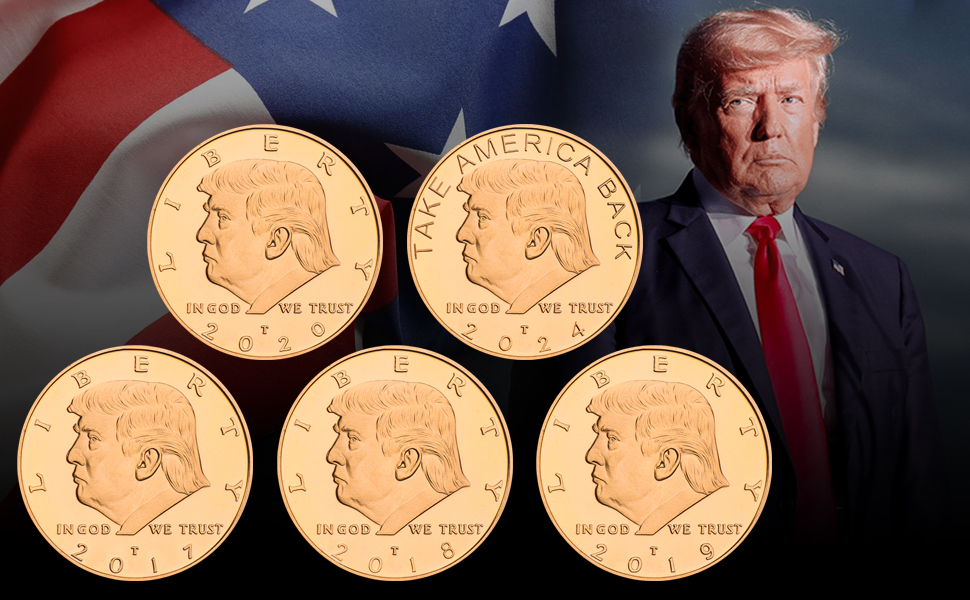
By the time the U.S. Mint strikes the first 24-karat gold Trump commemorative coin later this year, the great American tradition of keeping living politicians off the nation’s money will have been quietly, but spectacularly, circumvented.
Approved unanimously on March 19, 2026, by the Trump-appointed Commission of Fine Arts, the coin is ostensibly a celebration of the nation’s 250th anniversary. Yet, it serves a secondary, more visceral purpose for its chief architect: projecting executive dominance. The design is unapologetically aggressive. The obverse features President Donald Trump leaning intensely over the Resolute Desk, fists clenched, with the word “LIBERTY” arcing above his head and the dual dates “1776–2026” flanking him. The reverse bears a bald eagle, talons braced, ready to take flight.
Predictably, the political theater has been deafening. Critics have decried the coin as monarchic symbolism, pointing out that since the days of George Washington, the republic has fiercely guarded its currency against the vanity of living rulers. Defenders hail it as a masterstroke of patriotic fundraising and commemorative artistry.
But beneath the partisan noise lies a profound economic irony. In the grand sweep of monetary history, a leader plastering his face on ceremonial gold does not signal absolute control over a nation’s wealth. Quite the opposite. As we look back to the shifting empires of late antiquity, such numismatic pageantry usually reveals the exact opposite: a leader attempting to mask the uncomfortable reality of his limited sovereignty.
To understand the true weight of the 2026 Trump gold coin, one must look not to the halls of the Federal Reserve, but to the 6th-century courts of the Ostrogothic kings of Italy.
The Loophole of Vanity: 31 U.S.C. § 5112
To grasp the limits of the President’s monetary power, one must first look at the legal acrobatics required to mint the coin in the first place.
Federal law strictly forbids the portrait of a living person on circulating U.S. currency—a tradition born from the Founding Fathers’ revulsion for the coinage of King George III. To bypass this, the administration utilized the authorities granted under 31 U.S.C. § 5112, specifically the Treasury’s broad discretion to issue gold bullion and commemorative coins that do not enter general circulation.
While the coin bears a nominal face value of $1, it is a piece of bullion, not a medium of exchange. You cannot buy a coffee with it; it will not alter the M2 money supply; it will not shift the consumer price index.
Herein lies the central paradox of the Trump Semiquincentennial coin:
- The Facade of Power: It utilizes the highest-purity gold and the official imprimatur of the United States Mint to project executive authority.
- The Reality of Policy: The actual levers of the American economy—interest rates, quantitative easing, and the health of the fiat dollar—remain stubbornly out of the Oval Office’s direct control, residing instead with the independent Federal Reserve.
This dynamic—where a ruler uses localized, symbolic coinage to project a sovereignty he does not fully possess over the broader economic system—is not a modern invention. It is a historical hallmark of limited power.
Echoes from Ravenna: The Ostrogothic Parallel
When the Western Roman Empire collapsed in the late 5th century, Italy fell under the dominion of the Ostrogoths. The most famous of their rulers, Theodoric the Great, commanded the peninsula with formidable military might from his capital in Ravenna. He was, for all practical purposes, the king of Italy.
Yet, when you examine Ostrogothic coinage from this era, a fascinating picture of deference and limitation emerges.
Despite his military supremacy, Theodoric understood that the true center of global economic gravity lay to the east, in Constantinople. The Byzantine Emperor controlled the solidus—the gold standard of the Mediterranean world. If Theodoric wanted his kingdom to participate in international trade, he had to play by Byzantine monetary rules.
Consequently, the Ostrogoths minted gold and silver coins that were essentially counterfeits of Byzantine money. They bore the portrait of the reigning Eastern Emperor (such as Anastasius or Justinian), not the Ostrogothic king. Theodoric restricted his own branding to a modest monogram, and later kings, like Theodahad, only dared to place their full portraits on the bronze follis—the low-value base metal used for buying bread in local markets, entirely decoupled from international high finance.
The lesson from the Ostrogoths is clear, and widely recognized in peer-reviewed numismatic scholarship: controlling the territory is not the same as controlling the currency. The Ostrogoths used their local mints to project an image of continuity and authority to their immediate subjects, but they bowed to the monetary hegemony of the true empire.
The Byzantine Emperor of Modern Finance
Today, the “Constantinople” of the global economy is not a rival nation, but the institutional apparatus of the fiat dollar system—chiefly, the Federal Reserve and the global bond market.
President Trump has frequently chafed against this reality. Throughout his political career, he has sought to blur the lines of Fed independence, occasionally demanding lower interest rates or criticizing the Fed Chair with a ferocity normally reserved for political rivals. Yet, the institutional firewalls have largely held. The President cannot unilaterally dictate the cost of capital. He cannot force the world to buy U.S. Treasuries.
Thus, the 24-karat commemorative coin acts as his modern bronze follis.
It is a stunning piece of metal, but it is ultimately a domestic token. It satisfies a base of political supporters and projects an aura of monarchic permanence, just as Theodahad’s portrait did in the markets of Rome. But it does not challenge the underlying hegemony of the independent central banking system. The global markets, the sovereign wealth funds, and the algorithmic trading desks—the modern equivalents of the Byzantine merchants—will ignore the gold coin entirely. They will continue to trade in the invisible, digital fiat dollars over which the President exercises only indirect influence.
The Illusion of Monetary Sovereignty
What, then, does the “Trump coin” tell us about the current state of American executive power?
First, it highlights a growing preference for the aesthetics of power over the mechanics of governance. Minting a gold coin with one’s face on it is a frictionless exercise in executive privilege. Reining in a multi-trillion-dollar deficit, negotiating complex trade pacts, or carefully managing a soft economic landing are laborious, constrained, and often unrewarding tasks.
Second, it reveals the resilience of America’s financial architecture. That the President must resort to a commemorative loophole—utilizing a non-circulating bullion designation to bypass the strictures of circulating fiat—is a testament to the fact that the core of America’s money remains insulated from populist whim.
Consider the implications for dollar hegemony:
- Global Confidence: International investors rely on the U.S. dollar precisely because it is not subject to the immediate, emotional control of the executive branch.
- Institutional Friction: The outcry over the coin, while loud, proves that democratic norms regarding the separation of leader and state apparatus are still fiercely defended in the public square.
- The Paradox of Gold: By choosing gold—the traditional refuge of those who distrust government fiat—the administration inadvertently highlights its own lack of faith in the very paper currency it is sworn to manage.
Conclusion: The Weight of Empty Gold
The Roman historian Cassius Dio once observed that you can judge the health of a republic by the faces on its coins. When the republic falls, the faces of magistrates are replaced by the faces of autocrats.
But history is rarely that simple. The Ostrogothic kings of the 6th century put their faces on bronze because they lacked the power to control the gold. In March 2026, an American president has put his face on gold because he lacks the power to control the fiat.
The Semiquincentennial Trump coin is destined to be a remarkable collector’s item, a flashpoint in the culture wars, and a brilliant piece of political marketing. But when historians look back on the numismatics of the 2020s, they will not see a president who conquered the American monetary system. They will see a leader who, much like the kings of late antiquity, had to settle for a brilliant, golden simulacrum of power, while the true economic empire hummed along, indifferent and out of reach.
FAQ: Understanding the 2026 Commemorative Coin and U.S. Monetary Policy
Is it legal for a living U.S. President to be on a coin? Yes, but only under specific circumstances. By law (31 U.S.C. § 5112), living persons cannot be depicted on circulating currency (like standard pennies, quarters, or paper bills). However, the U.S. Mint has the authority to produce non-circulating bullion and commemorative coins. The 2026 Trump coin exploits this loophole as a non-circulating commemorative piece.
Does the U.S. President control the value of the dollar? No. While presidential policies (like tariffs, taxation, and government spending) affect the broader economy, the direct control of the U.S. money supply and interest rates rests with the Federal Reserve, an independent central bank. The President appoints the Fed Chair, but cannot legally dictate the bank’s day-to-day monetary policy.
What is the historical significance of the Ostrogothic coinage parallel? In the 6th century, Ostrogothic kings in Italy minted gold coins bearing the face of the Byzantine Emperor, while reserving their own portraits for lower-value bronze coins. This demonstrated that while they held local, symbolic power, true economic sovereignty belonged to the Byzantine Empire. The 2026 Trump coin operates similarly: it offers localized symbolic prestige, but the actual “engine” of the U.S. economy remains under the control of the independent Federal Reserve.
Can I spend the 24-karat Trump coin at a store? Technically, the coin has a legal face value of $1. However, because it is minted from 24-karat gold, its intrinsic metal value and numismatic collector value far exceed its $1 face value. It is meant to be collected and held as an asset or piece of memorabilia, not used in daily commercial transactions.
Acquisitions
The Saigol Pivot: Inside Maple Leaf Cement’s Strategic Incursion into Pakistan’s Banking Sector
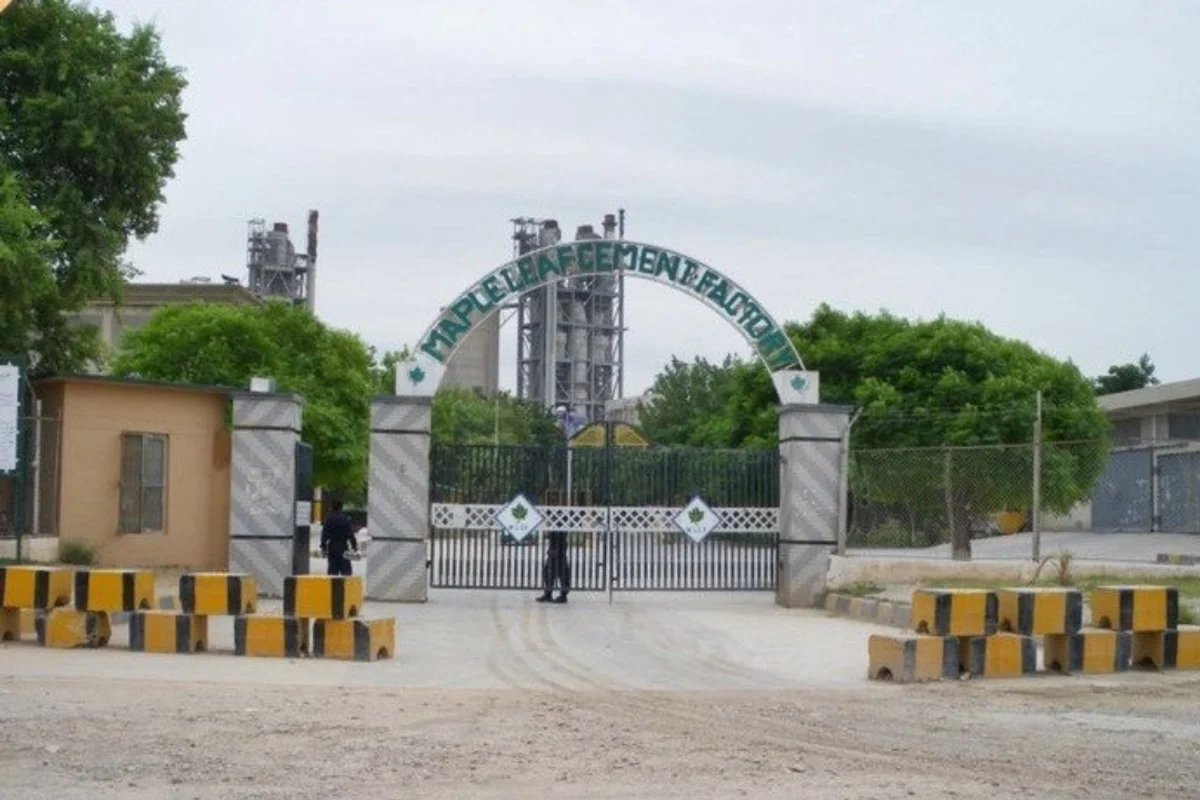
It is a move that initially appears as a study in industrial asymmetry: a northern cement giant, whose fortunes are tied to construction gypsum and clinker, systematically acquiring a stake in one of the country’s mid-tier Islamic banks. But beneath the surface of the Competition Commission of Pakistan’s (CCP) recent authorization lies a narrative far more sophisticated than a simple portfolio shuffle. This is the Saigol family’s Kohinoor Maple Leaf Group (KMLG) executing a deliberate financial pivot, threading the needle between regulatory scrutiny and the volatile realities of the 2026 Pakistan Stock Exchange (PSX) .
The CCP’s green light for Maple Leaf Cement Factory Limited (MLCF) to acquire shares in Faysal Bank Limited (FABL)—including a rare ex post facto approval for purchases made during 2025—offers a window into the evolving strategy of Pakistan’s old industrial guard .
The “Grey Area”: A Regulatory Slap on the Wrist?
In the sterile language of antitrust law, the transaction raised no red flags. The CCP’s Phase I assessment correctly noted the “entirely distinct” nature of cement manufacturing and commercial banking, concluding there was no horizontal or vertical overlap that could stifle competition .
However, the procedural backstory is where the texture lies. The Commission acknowledged reviewing a batch of open-market transactions on the PSX that were “already completed prior to obtaining the Commission’s approval” .
While the CCP granted ex-post facto authorization under Section 31(1)(d)(i) of the Competition Act 2010, it simultaneously issued a pointed directive: MLCF must ensure strict compliance with pre-merger approval requirements for any future transactions . It is a reminder that in Pakistan’s current financial climate, where liquidity is king and speed is of the essence, even blue-chip conglomerates can find themselves navigating the grey areas between investment opportunity and regulatory process. The directive serves as a subtle but firm warning to the market that the CCP is watching the methods of stake-building as closely as the ultimate concentration of ownership .
Strategic Rationale: Beyond Horizontal Logic
To understand the “why,” one must look beyond the cement kilns of Daudkhel and toward the balance sheets of the group. The Kohinoor Maple Leaf Group, born from the trifurcation of the Saigol empire, has long been a bastion of textiles and cement . But 2026 presents a different economic calculus.
Conglomerate diversification is the name of the game. With the PSX experiencing the volatile convulsions of a pre-election year—oscillating between geopolitical panic and IMF-induced stability—banking stocks have emerged as a high-yield, defensive hedge . Unlike the cyclical nature of cement, which is hostage to construction schedules and government infrastructure spending, the banking sector offers exposure to interest rate spreads and consumer financing.
For MLCF, a stake in Faysal Bank is not about vertical integration; it is about earnings stability. Faysal Bank, with its significant presence in Islamic finance (a sector rapidly gaining traction in Pakistan), offers a counter-cyclical buffer to the group’s industrial holdings. As one analyst put it, “They are swapping kiln dust for deposit multiplier.”
The Real-Time Context: PSX Volatility and the Hunt for Yield (March 2026)
The timing of the final authorization is critical. March 2026 finds the Pakistani equity market in a state of calculated anxiety. The KSE-100 has recently weathered a 16.9% correction from its January peaks, triggered by Middle East tensions and fears over the Strait of Hormuz . While energy stocks swing wildly with every oil price fluctuation, banking giants like Faysal Bank offer a rare port in the storm.
According to Arif Habib Limited’s latest strategy notes, the banking sector is currently trading at a price-to-book discount, with institutions like National Bank of Pakistan offering dividend yields as high as 13.3% . While Faysal Bank’s yields are more modest than NBP’s, its shareholding structure—dominated by Bahrain’s Ithmaar Holding (66.78%)—makes it an attractive target for local industrial groups seeking influence without the burden of outright control .
By accumulating shares incrementally through the PSX, KMLG is effectively renting exposure to the financialization of the Pakistani economy. It is a low-profile, high-liquidity entry into a sector that the State Bank of Pakistan projects will remain resilient despite import pressures and currency fluctuations .

Faysal Bank: The Prize Within
Why Faysal Bank specifically? The lender has carved a niche in the Islamic banking corridor, an area the government is keen to expand. With total institutional investors holding over 72% of the bank’s shares, it represents a tightly held, professionally managed asset .
Maple Leaf’s creeping acquisition suggests a desire to secure a seat at the table of Pakistan’s financial future. While the CCP authorization allows for an increased shareholding, it stops short of a full-blown merger. For now, this remains an “incursion”—a strategic toehold in the world of high finance, managed by the same family stewardship that Tariq Saigol has applied to transforming KMLG’s manufacturing base through sustainability and innovation .
The Verdict
The Maple Leaf Cement–Faysal Bank transaction is a harbinger of things to come in the 2026 Pakistani market. As the lines between industrial capital and financial capital blur, we will likely see more of these “conglomerate” acquisitions.
The CCP’s involvement, complete with its ex-post facto review and compliance directive, has set a precedent. It tells the market that while the commission is willing to facilitate investments that support “capital formation,” it will not tolerate a laissez-faire approach to merger control .
For the Saigol family, this is not just an investment; it is a hedge against the future. In an economy where cement demand can cool overnight but banking remains the lifeblood of commerce, owning a piece of the pipeline is the ultimate strategic pivot.
Analysis
Saba Capital’s Bold Tender Offer: Buying Blue Owl Funds at Steep Discounts Amid Private Credit Turmoil

When a hedge fund swoops in to buy distressed stakes at 20–35% below net asset value, it’s rarely a random act of generosity. It’s arbitrage—and it signals something deeper is fracturing in the private credit market.
In early February 2026, Boaz Weinstein’s Saba Capital Management, partnering with Cox Capital Partners, launched a tender offer to acquire shares in three Blue Owl Capital funds: Blue Owl Capital Corporation II (OBDC II), Blue Owl Technology Income Corp (OTIC), and Blue Owl Credit Income Corp (OCIC). The proposed prices ranged from 65 to 80 cents on the dollar relative to each fund’s stated net asset value—a brazen bet that retail investors, trapped by redemption gates and growing skepticism about private asset valuations, would take whatever exit they could get.
This is hedge fund opportunism in credit funds at its most calculated. And it may be one of the more revealing moments in a private credit story that has been quietly unraveling for months.
The Saba Blue Owl Tender Offer: What We Know
The mechanics of the Saba Capital–Blue Owl BDC discount trade are straightforward, even if the implications are anything but. Saba and Cox are offering retail and institutional investors in these non-traded business development companies (BDCs) a cash buyout of their stakes—at prices well below what Blue Owl’s own accounting says those assets are worth.
For OBDC II, OTIC, and OCIC, the discounts reportedly sit between 20% and 35% below NAV, depending on the vehicle. Saba’s thesis: the stated NAVs are optimistic—possibly significantly so—and liquidity pressure on investors will drive enough sellers to make the trade profitable even if some markdown in underlying valuations is warranted.
Blue Owl, for its part, has not been passive. The firm has moved to sell approximately $1.4 billion in assets and announced plans to return capital to investors. But it has also halted redemptions across certain funds, a move that, while legally permissible under fund structures, tends to send a loud signal to the market: liquidity is tighter than the pitch deck implied. Reuters reported a notable drop in OWL shares following news of the asset sales and debt fund restructurings, even as the broader stock recovered modestly on reports of Saba’s involvement—a curious market response that speaks volumes about investor sentiment.
Why Boaz Weinstein Is Betting Against Private Credit Valuations
Weinstein has built his reputation on identifying structural mispricing in complex credit instruments. He rose to prominence partly by recognizing—and profiting from—risks in synthetic credit markets that others had underwritten with excessive confidence. His move into the Blue Owl funds at steep discount follows a familiar playbook: find an illiquid market where reported values and transactable values have diverged sharply, then extract the spread.
The non-traded BDC redemption halt is the mechanism that creates his opportunity. When investors cannot sell their stakes on an exchange and the fund manager suspends the redemption window, those investors are effectively stranded. A tender offer—even at a painful discount—can look attractive to someone who needs liquidity or simply no longer trusts the NAV figure printed on their quarterly statement.
Saba’s position is essentially a structured bet that:
- Private credit valuations are inflated relative to what a secondary buyer would actually pay
- Redemption pressure will continue, keeping retail sellers motivated
- Blue Owl’s asset sales will either validate the markdown or, at minimum, prevent meaningful NAV appreciation
This is not merely opportunism for its own sake. It’s a price discovery mechanism in a corner of the market that has long lacked one.
The Broader Private Credit Liquidity Crisis
To understand why the Saba Capital–Blue Owl BDC discount trade matters beyond a single firm’s P&L, you need to zoom out to the $1.8 trillion private credit market.
Over the past five years, private credit exploded as institutional and retail capital flooded into non-bank lending. The pitch was compelling: higher yields, lower volatility (a feature, skeptics noted, of infrequent mark-to-market pricing rather than genuine stability), and access to growing companies bypassed by traditional banks. BDCs, including non-traded vehicles like those in Blue Owl’s lineup, became popular conduits for retail investors seeking yield in a low-rate world.
But several structural tensions have been building:
- Rising redemption requests as investors reassess the risk-return profile in a higher-rate environment where liquid credit alternatives have become more attractive.
- AI-driven disruption in software lending, which has raised questions about the credit quality of technology-focused portfolios—directly relevant to OTIC, Blue Owl’s tech-oriented income vehicle.
- NAV skepticism, as secondary market transactions and tender offers like Saba’s imply that the private assets underpinning these funds may be worth materially less than reported.
- Liquidity mismatches, baked into the non-traded structure itself—where quarterly redemption windows create an illusion of liquidity that evaporates precisely when investors want it most.
Bloomberg and the Financial Times have both noted that the impact of the Saba tender offer on the private credit market extends beyond Blue Owl, raising uncomfortable questions about how other non-traded BDCs and credit interval funds are being priced.
Blue Owl’s Response: Asset Sales and Capital Returns
Blue Owl’s decision to sell $1.4 billion in assets and accelerate capital returns is, on one reading, a responsible response to liquidity pressure. On another, it’s an implicit acknowledgment that the redemption halt was unsustainable and that some degree of NAV reset was necessary to restore credibility with investors.
The firm has been vocal in pushing back against what it characterizes as opportunistic and potentially misleading tender offers—a reasonable complaint given that Saba’s bid prices are not peer-reviewed appraisals of the underlying loan portfolios but rather negotiating anchors designed to attract distressed sellers. Blue Owl’s leadership has urged investors not to tender, pointing to ongoing asset management and anticipated distributions as the better path to value recovery.
Whether that argument lands will depend heavily on what the $1.4 billion in asset sales actually reveal about realized values. If dispositions close near stated NAV, Blue Owl’s credibility is substantially restored. If they close at significant markdowns, Saba’s thesis gains traction—and the ripple effects across the broader private credit fund universe could be considerable.
What This Means for Retail Investors
The retail investor risks in non-traded BDCs have been well-documented in regulatory filings, though often buried in dense prospectus language. Investors drawn in by above-market yield projections and the prestige of institutional-quality private credit exposure are now encountering the structural fine print: redemption queues, quarterly windows, and the absence of a liquid secondary market.
Saba’s tender offer creates a perverse but real choice. Accepting means crystallizing a 20–35% loss relative to stated NAV. Rejecting means trusting that Blue Owl’s reported values are accurate, that the asset sales will close cleanly, and that redemption capacity will normalize—none of which are guaranteed.
For financial advisors who placed clients into these structures, this is a moment of reckoning. The hedge fund opportunism in credit funds story is partly about Weinstein’s acuity. But it’s also about the mismatch between how non-traded private credit products were sold to retail investors and how they are actually performing under stress.
Forward-Looking: A Stress Test for Private Credit’s Retail Ambitions
The Saba Capital buys Blue Owl stakes at discount episode will likely serve as a case study for regulators, fund managers, and financial advisors for years. It arrives at a moment when the SEC has been scrutinizing the marketing of illiquid alternatives to retail investors, and when several major asset managers are pushing to expand access to private markets through evergreen fund structures.
If the tender offer attracts significant seller participation, it will validate the secondary discount as a real price—not a theoretical one—and pressure other non-traded BDC managers to either shore up liquidity mechanisms or face similar activist attention. If Blue Owl successfully defends its NAV through disciplined asset management and transparent dispositions, it may emerge as a model for how to navigate activist pressure in the private credit space.
Either way, the Blue Owl funds steep discount offer of 2026 has already accomplished something that quarterly NAV statements and manager commentary rarely do: it has forced a genuine conversation about what these assets are actually worth in a market that would prefer not to ask.

Singapore Firms Press Ahead in US Market Despite Trump Tariffs

The IMF’s High-Voltage Mandate: How Pakistan’s FY27 Power Subsidy Cut Will Rewire Its Economy

How US Debt, Gold Chaos, and a Stalled Middle East Are Rewriting the Rules of Investing

Top 15 Stocks for Investment in 2026 in PSX: Your Complete Guide to Pakistan’s Best Investment Opportunities
Top 15 Stocks for Investment in 2026 in PSX: Your Complete Guide to Pakistan’s Best Investment Opportunities

Debunking IMF Program Myths: Reconfiguring Engagement for True National Ownership in a Volatile World
-
 Markets & Finance4 months ago
Top 15 Stocks for Investment in 2026 in PSX: Your Complete Guide to Pakistan’s Best Investment Opportunities
-
Markets & Finance4 months ago
Top 15 Stocks for Investment in 2026 in PSX: Your Complete Guide to Pakistan’s Best Investment Opportunities
-
 Analysis3 months ago
Debunking IMF Program Myths: Reconfiguring Engagement for True National Ownership in a Volatile World
-

 Global Economy5 months ago
What the U.S. Attack on Venezuela Could Mean for Oil and Canadian Crude Exports: The Economic Impact
-

 Investment4 months ago
Top 10 Mutual Fund Managers in Pakistan for Investment in 2026: A Comprehensive Guide for Optimal Returns
-

 Asia5 months ago
China’s 50% Domestic Equipment Rule: The Semiconductor Mandate Reshaping Global Tech
-

 AI5 months ago
15 Most Lucrative Sectors for Investment in Pakistan: A 2025 Data-Driven Analysis
-

 Exports5 months ago
Pakistan’s Export Goldmine: 10 Game-Changing Markets Where Pakistani Businesses Are Winning Big in 2025