
Global Economy
Pakistan’s Stock Market Renaissance: How 2025’s Hottest Investment Opportunity Is Democratizing Wealth—A Complete Beginner’s Guide


How a frontier market’s 94% surge, IMF-backed reforms, and digital transformation are creating unprecedented opportunities for retail investors
When Saba Ahmed, a 29-year-old graphic designer from Karachi, opened her CDC account in March 2025, she joined a historic wave transforming Pakistan’s investment landscape. With just PKR 50,000 saved from freelance projects, she’s now part of a retail investor revolution that helped propel the Karachi Stock Exchange’s KSE-100 Index to an all-time high of 170,719 points in December 2025—a staggering 94% increase from the previous year.
Her story isn’t unique. From Lahore university students to Islamabad housewives, Pakistanis are discovering what institutional investors have known for months: the Pakistan Stock Exchange has become one of Asia’s best-performing markets, outpacing even regional giants. Yet beneath the record-breaking headlines lies a more profound transformation—the democratization of capital markets in a country where only 0.3% of the population owns shares.
This convergence of financial inclusion, governance reform, and geopolitical positioning offers insights extending far beyond Pakistan’s borders. For policymakers examining emerging market resilience, investors seeking frontier opportunities, and citizens demanding economic participation, the PSX experiment represents a critical test case for whether structural reform can genuinely broaden prosperity.
The Landscape: From Crisis to Confidence
The Numbers That Changed Everything
The KSE-100 Index reached an all-time high of 170,719 points, with 12-month gains exceeding 46%, positioning Pakistan among Asia’s top-performing equity markets. This isn’t hollow momentum—it’s backed by fundamentals that signal genuine transformation.
As of September 2025, PSX lists 525 companies with total market capitalization of approximately PKR 18.276 trillion (about $64.83 billion USD). More significantly, the rally is broad-based: banking, energy, cement, fertilizers, and textiles all contributing, suggesting structural confidence rather than speculative bubbles.
The transformation becomes starker in comparative context. While India’s Nifty 50 delivered respectable returns and Bangladesh struggled with political instability, Pakistan’s stock market emerged as an unexpected outperformer. The PSX Dividend 20 Index—tracking top dividend-yielding companies—gained over 40% year-to-date, offering yields substantially above regional peers.
The Geopolitical Context: Reform Under Pressure
This market renaissance didn’t occur in isolation. It emerged from Pakistan’s $7 billion Extended Fund Facility (EFF) agreement with the IMF, approved in September 2024 and supplemented by a $1.4 billion Resilience and Sustainability Facility. The program imposed painful conditionalities: fiscal primary surplus targets of 2.1% of GDP, broadened tax bases including agricultural income taxes, and energy sector reforms to eliminate circular debt exceeding PKR 4.9 trillion.
Inflation fell to a historic low of 0.3% in April, while gross reserves stood at $10.3 billion at end-April, up from $9.4 billion in August 2024, projected to reach $13.9 billion by end-June 2025. These aren’t just statistics—they’re confidence signals that convinced foreign institutional investors to return after years of capital flight.
Yet risks persist. The IMF’s second review completion in December 2025 came with warnings about policy slippages, geopolitical commodity shocks, and climate vulnerabilities. Recent flooding affected 7 million people and temporarily dampened agricultural output, highlighting Pakistan’s exposure to climate risks. The delicate balancing act between reform momentum and political sustainability will determine whether this rally has legs.
Opening the Gates: Your Step-by-Step Investment Framework
Understanding the CDC Account: The Gateway to PSX
The Central Depository Company (CDC) serves as Pakistan’s securities custodian, similar to the DTCC in the United States or NSDL in India. Your CDC account holds your shares electronically, enabling settlement through the National Clearing Company of Pakistan on a T+2 basis—a system now enhanced by digital integration with the RAAST instant payment system.
Two Account Types Serve Different Needs:
The Sahulat Account targets new investors with simplified documentation. Designed for students, housewives, and small-scale investors, it requires only your CNIC (Computerized National Identity Card) and imposes a PKR 800,000 ($2,840 USD) investment ceiling. This structure eliminates income verification barriers, lowering entry thresholds that historically excluded the majority of Pakistanis from capital markets.
The Sahulat Account gives retail investors access to regular market trading without leverage or futures restrictions, requiring minimal documentation. Once your investment exceeds the ceiling, upgrading to a standard account requires income documentation—a progressive on-ramp recognizing Pakistan’s large informal economy.
The Standard CDC Investor Account offers unrestricted access but demands comprehensive Know Your Customer (KYC) compliance: CNIC/NICOP/Passport copies, bank account verification, address proof, and for Muslims, Zakat exemption declarations. The CDC digitized this process in 2024, enabling online applications through www.cdcaccess.com.pk with mobile app support.
The Practical Process: From Application to Trading
Step 1: Broker Selection and Documentation
Pakistan has 270+ registered Trading Right Entitlement Certificate (TREC) holders—brokerage firms licensed by the Securities and Exchange Commission of Pakistan. Leading digital brokers include KTrade Securities, KASB Securities, Arif Habib Limited, and AKD Securities, each offering mobile trading platforms with varying fee structures.
Brokerage commissions typically range from 0.15% to 0.30% per trade, with annual account maintenance fees between PKR 500-2,000. Capital gains tax on shares held less than one year stands at 15%, while shares held longer face no capital gains tax—a powerful incentive for long-term investing. Dividend income incurs withholding tax of 15% for filers and 30% for non-filers, creating tax incentives for formal economy participation.
Step 2: Account Opening Timeline
Individual accounts are opened within 24 hours whereas corporate accounts take 48 hours after cheque clearance. The process has accelerated dramatically since CDC’s online system launch, eliminating the need for physical office visits in most cases.
Your Account Opening Package includes:
- Transaction Order book for physical trade instructions
- CDC Relationship Number (your unique identifier)
- Access credentials for CDC Access portal and mobile app
- Registration for SMS and email alerts on all transactions
Step 3: Funding and Trading
Investors can fund accounts through bank transfers, with CDC now integrated into Pakistan’s RAAST instant payment system for real-time settlements. The minimum investment varies by stock price—theoretically one share—but practical minimums of PKR 10,000-20,000 ($35-70 USD) provide meaningful diversification.
The Pakistan Stock Exchange operates Monday-Friday with trading sessions from 9:30 AM to 3:30 PM Pakistan Standard Time. Pre-opening sessions allow order placement before market open, while post-close sessions handle uncompleted orders. Modern mobile applications from brokers provide real-time quotes, portfolio tracking, and research tools previously available only to institutional investors.
The Cost Structure: Understanding the Economics
A typical investment of PKR 100,000 faces:
- Brokerage commission: PKR 150-300 (0.15-0.30%)
- CDC fee: PKR 10-15
- SECP regulatory fee: Nominal
- National Clearing Company charges: PKR 5-10
Round-trip transaction costs (buy and sell) total approximately 0.5-0.8% excluding tax—competitive with regional markets but higher than developed economies. These costs matter less for buy-and-hold dividend strategies than for active trading.
The Dividend Aristocrats Strategy: Where Value Meets Stability
Pakistan’s Unique Dividend Culture
The PSX Dividend 20 Index tracks the performance of the top 20 dividend paying companies, ranked and weighted based on their trailing 12-month dividend yield, rebalanced semi-annually. This index provides a ready-made screening tool for income-focused investors, something mature markets offer but many frontier markets lack.
Pakistani corporate culture favors dividend distributions more than growth-focused tech sectors, reflecting the market’s composition. Oil and gas companies, banks, cement manufacturers, and Fast-Moving Consumer Goods (FMCG) firms dominate the high-yield landscape, offering dividend yields frequently exceeding 6-10% annually—substantially above Pakistan’s current inflation rate of approximately 7-8%.
Sector Analysis: Where Dividends Flow
Banking Sector Leaders
Banks like United Bank Limited, Meezan Bank, and MCB Bank have historically provided dividend yields of 6-9%, supported by net interest margin expansion as interest rates normalized from emergency highs. The sector benefited from improved credit quality as macroeconomic stability returned, with non-performing loan ratios declining throughout 2025.
Regulatory capital requirements ensure dividend sustainability, with the State Bank of Pakistan enforcing minimum capital adequacy ratios of 11.5%. Banks that maintained strong provisions during crisis years now possess the balance sheet strength to reward shareholders while funding credit growth.
Oil & Gas Sector Stability
State-owned enterprises like Oil & Gas Development Company Limited (OGDC) and Pakistan Petroleum Limited have provided consistent dividends tied to commodity prices and production volumes. With global energy prices stabilizing and domestic gas field development continuing, these companies offer inflation hedges alongside income.
The government’s 2025 policy shift toward market-determined energy pricing—a key IMF conditionality—reduces subsidy burdens while improving profitability for producers. However, investors must monitor circular debt resolution; delayed payments to power producers historically constrained some companies’ ability to distribute cash.
Fertilizer Sector: Agricultural Dependence
Fauji Fertilizer Company and Engro Fertilizers serve Pakistan’s agricultural sector, which employs 37% of the workforce. Government subsidy reforms targeting agricultural support prices create both risks and opportunities. Reduced direct subsidies may pressure demand, while improved payment discipline by government procurement agencies strengthens receivables quality.
Climate vulnerability represents a material risk—flooding can devastate crop yields, reducing fertilizer demand. Yet Pakistan’s youthful population and food security imperatives ensure long-term agricultural investment, supporting fertilizer industry fundamentals.
The Sustainability Question: Dividend Trap Risks
A sustainable payout ratio typically under 70% ensures the company isn’t over-distributing profits. Investors should verify that dividends are supported by operational cash flow rather than debt-financed distributions—a red flag common during liquidity crises.
Compare yields against government Pakistan Investment Bonds (PIBs). When 10-year PIB yields stand at 11-12%, equity dividend yields of 8-9% must be justified by growth potential or special circumstances. Excessively high yields often signal market skepticism about dividend sustainability.
Navigating the Risks: What Could Go Wrong
Political Instability Premium
Pakistan’s political volatility remains a material risk. Frequent government changes, military influence in economic policymaking, and judicial-executive tensions create uncertainty that periodically triggers capital flight. The 2025 relative stability rests partly on broad political consensus around the IMF program—a consensus that could fracture under electoral pressures or external shocks.
Investors must accept that PSX can experience 20-30% drawdowns triggered by political events unrelated to corporate fundamentals. Historical patterns show rapid recoveries once stability returns, rewarding patient capital but punishing leveraged positions.
Currency Depreciation Reality
The Pakistani Rupee has depreciated approximately 25-30% against the US Dollar over the past five years, a trend that may continue given structural current account pressures. For domestic investors, this matters less—they earn and invest in Rupees. For foreign investors or Pakistanis earning abroad, currency risk substantially affects returns.
The State Bank of Pakistan maintains a flexible exchange rate and continues to improve the functioning of the foreign exchange market and transparency around FX operations. This policy shift from controlled rates reduces central bank intervention but increases volatility. Dollar-denominated returns may significantly lag local currency returns depending on exchange rate movements.
Liquidity Considerations
Average daily trading volume on PSX exceeds PKR 35-40 billion, concentrated in top 50 companies. Mid-cap and small-cap stocks often trade thinly, with wide bid-ask spreads and difficulty executing large orders without moving prices. The introduction of circuit breakers limiting daily price movements to 5% in either direction reduces volatility but can trap investors in illiquid positions during crises.
Foreign institutional ownership remains below 10% of market capitalization, far lower than India (22%) or Indonesia (45%). While rising foreign interest supports valuations, any reversal could pressure prices given limited domestic institutional buffers—pension funds and insurance companies remain underdeveloped compared to regional peers.
Regulatory and Governance Risks
The Securities and Exchange Commission of Pakistan has strengthened enforcement, introducing corporate governance reforms and beneficial ownership disclosure requirements throughout 2024-2025. Yet governance standards still lag international benchmarks, with related-party transactions, opaque family business structures, and limited minority shareholder protections remaining concerns.
The 2025 Governance and Corruption Diagnostic report released under IMF conditionality highlighted persistent issues in procurement transparency and state-owned enterprise governance. While reforms are underway, changing institutional cultures requires years of sustained effort. Investors should favor companies with strong independent directors, transparent reporting, and established audit relationships.
The Broader Implications: What This Means Beyond Markets
Financial Inclusion as Economic Strategy
Pakistan’s 241 million people—62% under age 30—represent an enormous untapped investor base. Individual traders are turning to equities as property prices stagnate and deposit rates have halved in the past two years, illustrating how macroeconomic shifts can democratize investing when alternatives disappoint.
Expanding retail participation addresses multiple policy goals simultaneously. It channels domestic savings toward productive investment, reducing reliance on external financing. It creates middle-class stakeholders in economic stability, building political constituencies for sustained reform. And it addresses youth unemployment by providing wealth-building alternatives to government jobs or emigration.
The challenge lies in investor protection. Unsophisticated investors entering markets during euphoric periods historically suffer losses when sentiment shifts. The SECP’s emphasis on investor education through initiatives like JamaPunji—the investor education portal—attempts to build financial literacy alongside market access. Whether these efforts sufficiently prepare retail investors for inevitable downturns remains uncertain.
The China Factor: Strategic Implications
In 2017, a consortium of Chinese exchanges including Shanghai Stock Exchange, Shenzhen Stock Exchange, and China Financial Futures Exchange acquired a 40% strategic stake in PSX, making China its single largest foreign shareholder. The “China Connect” system theoretically enables cross-border capital flows, though practical implementation has lagged ambitions.
This ownership structure carries geopolitical dimensions. As Pakistan balances its traditional security relationship with China against renewed economic engagement with Western institutions through the IMF, the stock exchange becomes a symbol of competing visions. Chinese infrastructure investment through the China-Pakistan Economic Corridor could boost listed companies’ growth prospects, while Western investors remain cautious about governance and political risks.
Regional Competitive Dynamics
Pakistan competes with Bangladesh, Sri Lanka, and frontier African markets for foreign portfolio investment. Bangladesh’s current political instability provides Pakistan a temporary advantage, while Sri Lanka’s post-default recovery creates a compelling distressed opportunity narrative. Pakistan must sustain reform momentum to differentiate itself as more than a tactical trade.
The comparison with India remains inevitable and unflattering. India’s market capitalization exceeds $4 trillion compared to Pakistan’s $65 billion—a 60:1 ratio that exceeds the countries’ economic size differential. India’s success in building institutional infrastructure, retail participation, and regulatory credibility provides both a roadmap and a competitive challenge. Pakistani policymakers increasingly study India’s National Stock Exchange transformation as a model, adapted for local context.
The Path Forward: Scenarios for the Next Five Years
The Optimistic Case: Structural Transformation
If Pakistan maintains IMF program discipline through 2027 while avoiding major political disruptions, the market could sustain 15-20% annual returns through 2030. Key drivers would include:
- Privatization Pipeline: Government plans to privatize Pakistan International Airlines, several power distribution companies, and other state-owned enterprises could unlock value while demonstrating commitment to market-oriented reforms. Successful privatizations would attract strategic investors and validate governance improvements.
- Digital Transformation: Pakistan’s IT services exports exceeded $3 billion in FY2024-25 and are growing 25% annually. If even a fraction of successful tech companies pursue PSX listings instead of overseas exits, the market could develop a genuine growth sector beyond traditional industries.
- Demographic Dividend: If macro stability persists and regulatory reforms continue, Pakistan’s youthful population could drive sustained consumption growth, benefiting listed consumer companies while expanding the retail investor base.
The Pessimistic Case: Reversal of Fortunes
Conversely, political instability, reform backsliding, or external shocks could trigger rapid capital flight. Pakistan’s vulnerability to:
- Geopolitical Tensions: Escalation with India, Afghanistan spillover effects, or positioning amid US-China competition could rapidly shift investor sentiment. Defense spending imperatives could crowd out development expenditure, slowing growth.
- Climate Catastrophes: As 2025’s flooding demonstrated, Pakistan remains highly vulnerable to climate events. A major disaster could derail fiscal targets, forcing emergency spending that conflicts with IMF conditionalities.
- Reform Fatigue: The political sustainability of IMF-mandated austerity remains questionable. Provincial resistance to agricultural income taxes, business community opposition to documentation requirements, and public frustration with subsidy removal could fracture the reform coalition.
The Most Likely Outcome: Muddling Through
Pakistan’s historical pattern suggests neither sustained excellence nor complete collapse but rather cyclical progress punctuated by periodic crises. The 2025-2026 rally likely represents genuine improvement rather than a bubble, but expecting linear progress ignores structural constraints.
Smart investors will approach PSX as a tactical allocation within diversified portfolios rather than a strategic bet. The market offers compelling risk-adjusted returns for those who understand and accept the volatility, regulatory uncertainty, and currency risks. For Pakistani citizens, participating in their economy’s growth through equity ownership represents both a financial opportunity and a civic engagement act.
Practical Recommendations: How to Proceed
For Individual Investors
Start Small, Learn First: Open a Sahulat Account with minimal capital to understand market mechanics before committing substantial savings. Use the first six months as an education period, tracking your picks without emotional attachment.
Focus on Dividend Aristocrats: Top dividend paying sectors on PSX include banking, energy and fertilizers. Build a portfolio of 6-8 established dividend payers rather than chasing speculative growth. Reinvest dividends to compound returns.
Maintain Realistic Expectations: Budget for 30% drawdowns as normal market corrections. Only invest capital you won’t need for 3-5 years. Consider PSX as 10-20% of total savings, not your entire nest egg.
Stay Informed: Subscribe to PSX announcements through the official data portal. Follow quarterly results for your holdings. Understand that in Pakistan, management quality and political connections often matter more than financial ratios suggest.
For Foreign Investors
Understand Repatriation Rules: Pakistan maintains some capital control vestiges despite liberalization. While foreign portfolio investors can generally repatriate proceeds, sudden policy reversals during crises have occurred historically. Size positions accordingly.
Consider Fund Routes: Emerging market funds or Pakistan-focused funds provide professional management, local expertise, and reduced administrative burden compared to direct investing. Several international fund managers now include Pakistan in frontier market allocations.
Monitor Geopolitics: Political risk isn’t diversifiable in Pakistan—a military coup, India-Pakistan crisis, or IMF program collapse would affect all holdings simultaneously. Maintain hedges or view Pakistan as a small, speculative allocation.
For Policymakers and Regulators
Accelerate Institutional Development: Strengthen pension funds, insurance companies, and mutual funds to provide domestic institutional ballast. Currently, foreign investors and retail traders drive volatility; strong local institutions provide stability.
Enhance Transparency: Mandate beneficial ownership disclosure, strengthen auditor liability, and enforce insider trading penalties rigorously. Governance credibility determines whether Pakistan attracts long-term capital or remains a tactical trade.
Build Financial Literacy: Expand investor education beyond cities. Partner with universities, civil society organizations, and religious institutions to reach populations traditionally excluded from financial systems.
Conclusion: Democracy of Capital in Action
When Saba Ahmed checked her CDC mobile app in December 2025 and saw her modest portfolio up 35% in nine months, she joined millions of Pakistanis experiencing a rare moment—when government policy, market forces, and individual agency aligned to create genuine opportunity.
The Pakistan Stock Exchange’s 2025 renaissance isn’t merely a financial phenomenon. It represents a test of whether structural reform can broaden prosperity beyond elites, whether digital infrastructure can overcome historical exclusion, and whether a frontier market can sustain momentum against formidable headwinds.
Analysts forecast the KSE-100 Index could reach 170,000 points if macroeconomic stability and reform progress continue—a target already achieved, prompting revised estimates above 180,000 for 2026. Yet the more important question isn’t whether markets rally further, but whether this rally reflects and reinforces genuine economic transformation.
For the global community, Pakistan’s experiment offers lessons about IMF program design, financial inclusion strategies, and the political economy of reform. For investors, it presents a high-risk, high-reward opportunity in one of the world’s last major frontier markets. For Pakistanis, it offers something more fundamental—a stake in their nation’s future.
The democratization of capital is never smooth. Markets will correct, disappointments will occur, and risks will materialize. But the principle that ordinary citizens should participate in economic growth, not merely observe it from afar, represents a worthy aspiration. Whether Pakistan’s stock market revolution delivers on that promise will define more than investment returns—it will help shape a nation’s trajectory.
DISCLAIMER: This analysis is for informational and educational purposes only and should not be construed as investment advice. All investments carry risk, including potential loss of principal. Pakistan’s market involves heightened political, currency, and liquidity risks. Readers should conduct their own due diligence and consult qualified financial advisors before making investment decisions. The author has no financial interest in Pakistani securities or companies mentioned.
SOURCES & CITATIONS:
- Pakistan Stock Exchange Official Data Portal (dps.psx.com.pk)
- Central Depository Company of Pakistan (cdcpakistan.com)
- International Monetary Fund Country Reports and Press Releases (2024-2025)
- Securities and Exchange Commission of Pakistan (secp.gov.pk)
- Trading Economics Pakistan Indicators
- Bloomberg, Reuters market data
- Pakistan Bureau of Statistics
- World Bank Pakistan Development Updates


Analysis
The Trump Coin and Lessons from the Ostrogoths: How a Gold Offering Reveals the Limits of Presidential Power Over America’s Money
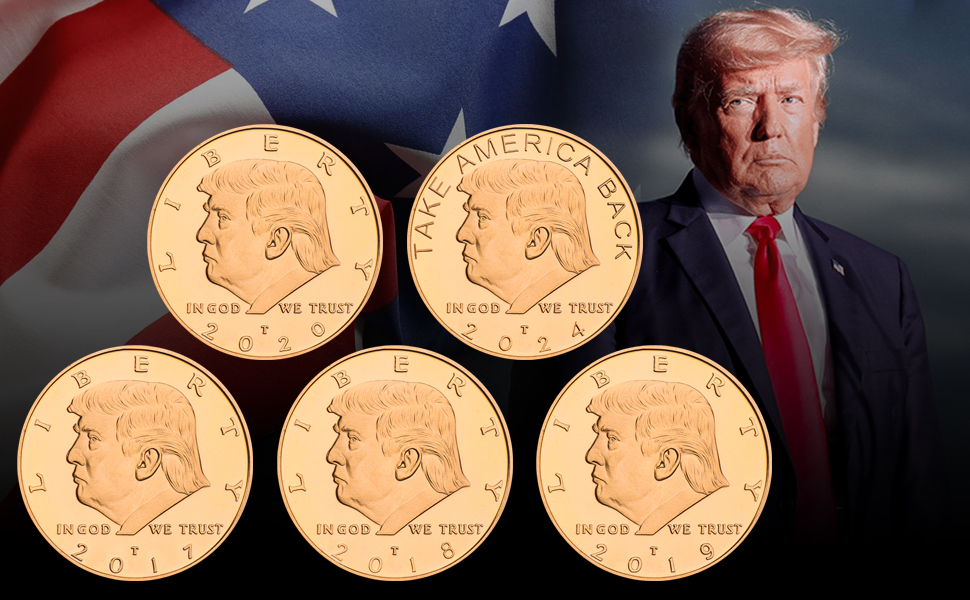
By the time the U.S. Mint strikes the first 24-karat gold Trump commemorative coin later this year, the great American tradition of keeping living politicians off the nation’s money will have been quietly, but spectacularly, circumvented.
Approved unanimously on March 19, 2026, by the Trump-appointed Commission of Fine Arts, the coin is ostensibly a celebration of the nation’s 250th anniversary. Yet, it serves a secondary, more visceral purpose for its chief architect: projecting executive dominance. The design is unapologetically aggressive. The obverse features President Donald Trump leaning intensely over the Resolute Desk, fists clenched, with the word “LIBERTY” arcing above his head and the dual dates “1776–2026” flanking him. The reverse bears a bald eagle, talons braced, ready to take flight.
Predictably, the political theater has been deafening. Critics have decried the coin as monarchic symbolism, pointing out that since the days of George Washington, the republic has fiercely guarded its currency against the vanity of living rulers. Defenders hail it as a masterstroke of patriotic fundraising and commemorative artistry.
But beneath the partisan noise lies a profound economic irony. In the grand sweep of monetary history, a leader plastering his face on ceremonial gold does not signal absolute control over a nation’s wealth. Quite the opposite. As we look back to the shifting empires of late antiquity, such numismatic pageantry usually reveals the exact opposite: a leader attempting to mask the uncomfortable reality of his limited sovereignty.
To understand the true weight of the 2026 Trump gold coin, one must look not to the halls of the Federal Reserve, but to the 6th-century courts of the Ostrogothic kings of Italy.
The Loophole of Vanity: 31 U.S.C. § 5112
To grasp the limits of the President’s monetary power, one must first look at the legal acrobatics required to mint the coin in the first place.
Federal law strictly forbids the portrait of a living person on circulating U.S. currency—a tradition born from the Founding Fathers’ revulsion for the coinage of King George III. To bypass this, the administration utilized the authorities granted under 31 U.S.C. § 5112, specifically the Treasury’s broad discretion to issue gold bullion and commemorative coins that do not enter general circulation.
While the coin bears a nominal face value of $1, it is a piece of bullion, not a medium of exchange. You cannot buy a coffee with it; it will not alter the M2 money supply; it will not shift the consumer price index.
Herein lies the central paradox of the Trump Semiquincentennial coin:
- The Facade of Power: It utilizes the highest-purity gold and the official imprimatur of the United States Mint to project executive authority.
- The Reality of Policy: The actual levers of the American economy—interest rates, quantitative easing, and the health of the fiat dollar—remain stubbornly out of the Oval Office’s direct control, residing instead with the independent Federal Reserve.
This dynamic—where a ruler uses localized, symbolic coinage to project a sovereignty he does not fully possess over the broader economic system—is not a modern invention. It is a historical hallmark of limited power.
Echoes from Ravenna: The Ostrogothic Parallel
When the Western Roman Empire collapsed in the late 5th century, Italy fell under the dominion of the Ostrogoths. The most famous of their rulers, Theodoric the Great, commanded the peninsula with formidable military might from his capital in Ravenna. He was, for all practical purposes, the king of Italy.
Yet, when you examine Ostrogothic coinage from this era, a fascinating picture of deference and limitation emerges.
Despite his military supremacy, Theodoric understood that the true center of global economic gravity lay to the east, in Constantinople. The Byzantine Emperor controlled the solidus—the gold standard of the Mediterranean world. If Theodoric wanted his kingdom to participate in international trade, he had to play by Byzantine monetary rules.
Consequently, the Ostrogoths minted gold and silver coins that were essentially counterfeits of Byzantine money. They bore the portrait of the reigning Eastern Emperor (such as Anastasius or Justinian), not the Ostrogothic king. Theodoric restricted his own branding to a modest monogram, and later kings, like Theodahad, only dared to place their full portraits on the bronze follis—the low-value base metal used for buying bread in local markets, entirely decoupled from international high finance.
The lesson from the Ostrogoths is clear, and widely recognized in peer-reviewed numismatic scholarship: controlling the territory is not the same as controlling the currency. The Ostrogoths used their local mints to project an image of continuity and authority to their immediate subjects, but they bowed to the monetary hegemony of the true empire.
The Byzantine Emperor of Modern Finance
Today, the “Constantinople” of the global economy is not a rival nation, but the institutional apparatus of the fiat dollar system—chiefly, the Federal Reserve and the global bond market.
President Trump has frequently chafed against this reality. Throughout his political career, he has sought to blur the lines of Fed independence, occasionally demanding lower interest rates or criticizing the Fed Chair with a ferocity normally reserved for political rivals. Yet, the institutional firewalls have largely held. The President cannot unilaterally dictate the cost of capital. He cannot force the world to buy U.S. Treasuries.
Thus, the 24-karat commemorative coin acts as his modern bronze follis.
It is a stunning piece of metal, but it is ultimately a domestic token. It satisfies a base of political supporters and projects an aura of monarchic permanence, just as Theodahad’s portrait did in the markets of Rome. But it does not challenge the underlying hegemony of the independent central banking system. The global markets, the sovereign wealth funds, and the algorithmic trading desks—the modern equivalents of the Byzantine merchants—will ignore the gold coin entirely. They will continue to trade in the invisible, digital fiat dollars over which the President exercises only indirect influence.
The Illusion of Monetary Sovereignty
What, then, does the “Trump coin” tell us about the current state of American executive power?
First, it highlights a growing preference for the aesthetics of power over the mechanics of governance. Minting a gold coin with one’s face on it is a frictionless exercise in executive privilege. Reining in a multi-trillion-dollar deficit, negotiating complex trade pacts, or carefully managing a soft economic landing are laborious, constrained, and often unrewarding tasks.
Second, it reveals the resilience of America’s financial architecture. That the President must resort to a commemorative loophole—utilizing a non-circulating bullion designation to bypass the strictures of circulating fiat—is a testament to the fact that the core of America’s money remains insulated from populist whim.
Consider the implications for dollar hegemony:
- Global Confidence: International investors rely on the U.S. dollar precisely because it is not subject to the immediate, emotional control of the executive branch.
- Institutional Friction: The outcry over the coin, while loud, proves that democratic norms regarding the separation of leader and state apparatus are still fiercely defended in the public square.
- The Paradox of Gold: By choosing gold—the traditional refuge of those who distrust government fiat—the administration inadvertently highlights its own lack of faith in the very paper currency it is sworn to manage.
Conclusion: The Weight of Empty Gold
The Roman historian Cassius Dio once observed that you can judge the health of a republic by the faces on its coins. When the republic falls, the faces of magistrates are replaced by the faces of autocrats.
But history is rarely that simple. The Ostrogothic kings of the 6th century put their faces on bronze because they lacked the power to control the gold. In March 2026, an American president has put his face on gold because he lacks the power to control the fiat.
The Semiquincentennial Trump coin is destined to be a remarkable collector’s item, a flashpoint in the culture wars, and a brilliant piece of political marketing. But when historians look back on the numismatics of the 2020s, they will not see a president who conquered the American monetary system. They will see a leader who, much like the kings of late antiquity, had to settle for a brilliant, golden simulacrum of power, while the true economic empire hummed along, indifferent and out of reach.
FAQ: Understanding the 2026 Commemorative Coin and U.S. Monetary Policy
Is it legal for a living U.S. President to be on a coin? Yes, but only under specific circumstances. By law (31 U.S.C. § 5112), living persons cannot be depicted on circulating currency (like standard pennies, quarters, or paper bills). However, the U.S. Mint has the authority to produce non-circulating bullion and commemorative coins. The 2026 Trump coin exploits this loophole as a non-circulating commemorative piece.
Does the U.S. President control the value of the dollar? No. While presidential policies (like tariffs, taxation, and government spending) affect the broader economy, the direct control of the U.S. money supply and interest rates rests with the Federal Reserve, an independent central bank. The President appoints the Fed Chair, but cannot legally dictate the bank’s day-to-day monetary policy.
What is the historical significance of the Ostrogothic coinage parallel? In the 6th century, Ostrogothic kings in Italy minted gold coins bearing the face of the Byzantine Emperor, while reserving their own portraits for lower-value bronze coins. This demonstrated that while they held local, symbolic power, true economic sovereignty belonged to the Byzantine Empire. The 2026 Trump coin operates similarly: it offers localized symbolic prestige, but the actual “engine” of the U.S. economy remains under the control of the independent Federal Reserve.
Can I spend the 24-karat Trump coin at a store? Technically, the coin has a legal face value of $1. However, because it is minted from 24-karat gold, its intrinsic metal value and numismatic collector value far exceed its $1 face value. It is meant to be collected and held as an asset or piece of memorabilia, not used in daily commercial transactions.
Investing 101
Gaming Giant’s Bold Gamble: Why Investors are Devouring Risky EA Debt Amid Geopolitical Crosscurrents
Investors are aggressively snapping up debt for Electronic Arts’ historic $55bn take-private, signaling resilient credit markets despite geopolitical tensions and AI disruption. Explore the EA LBO’s financial engineering, cost savings, and the appetite for risky video game financing in 2026.
Introduction: The Unyielding Allure of High-Yield
The world of high finance rarely pauses for breath, even as geopolitical headwinds gather and technological disruption reshapes industries. Yet, the recent $55 billion take-private of video game titan Electronic Arts (EA) has delivered a masterclass in market resilience, demonstrating an almost insatiable investor appetite for leveraged debt—even when tied to a complex, globally-infused transaction. Led by Saudi Arabia’s Public Investment Fund (PIF), Silver Lake, and Affinity Partners, this landmark deal, poised to redefine the gaming M&A landscape, has seen its $18-20 billion debt package met with overwhelming demand, proving that the pursuit of yield often eclipses lingering doubts.
This isn’t merely another private equity mega-deal; it’s a bellwether for global credit markets in early 2026. JPMorgan-led bond deals, designed to finance one of the largest leveraged buyouts in history, have drawn over $25 billion in orders, far surpassing their target size. This aggressive investor embrace of what many consider risky debt, particularly given the backdrop of Middle East tensions and concerns over AI’s impact on software, underscores a fascinating dichotomy: a cautious macroeconomic outlook juxtaposed with an audacious hunt for returns in stable, cash-generative assets. The question isn’t just how this was financed, but why investors dove in with such conviction, and what it signals for the year ahead.
The Anatomy of a Mega-Buyout: EA’s Financial Engineering
At an enterprise value of approximately $55 billion, the Electronic Arts take-private deal stands as the largest leveraged buyout on record, eclipsing the 2007 TXU Energy privatization. The financing structure is a finely tuned orchestration of equity and debt, designed to maximize returns for the acquiring consortium while appealing to a broad spectrum of debt investors.
Equity & Debt Breakdown
The EA $55bn LBO is funded through a combination of substantial equity and a significant debt tranche:
- Equity Component: Approximately $36 billion, largely comprising cash contributions from the consortium partners, including the rollover of PIF’s existing 9.9% stake in EA. PIF is set to own a substantial majority, approximately 93.4%, with Silver Lake holding 5.5% and Affinity Partners 1.1%.
- Debt Package: A substantial $18-20 billion debt package, fully committed by a JPMorgan-led syndicate of banks. This makes it the largest LBO debt financing post-Global Financial Crisis.
Unpacking the Debt Tranches: Demand & Pricing
The sheer scale of demand for this EA acquisition financing has been striking. The initial $18 billion debt offering, which included both secured and unsecured tranches, quickly swelled to over $25 billion in investor orders. This oversubscription highlights a strong market appetite for gaming-backed paper.
Key components of the debt include:
- Leveraged Loans: A cross-border loan deal totaling $5.75 billion launched on March 16, 2026, comprising a $4 billion U.S. dollar loan and a €1.531 billion ($1.75 billion) euro tranche.
- Pricing: Term Loan Bs (TLBs) were guided at 350-375 basis points over SOFR/Euribor, with a 0% floor and a 98.5 Original Issue Discount (OID). This discounted pricing suggests lenders were baking in some risk, yet the demand remained robust.
- Secured & Unsecured Bonds: The financing also features an upsized $3.25 billion term loan A, an additional $6.5 billion of other dollar and euro secured debt, and $2.5 billion of unsecured debt. While specific high-yield bond pricing hasn’t been detailed, market intelligence suggests secured debt at approximately 6.25-7.25% and unsecured north of 8.75%, reflective of the leverage profile.
The Deleveraging Path: Justifying a 6x+ Debt/EBITDA
Moody’s projects that EA’s gross debt will increase twelve-fold from $1.5 billion, pushing pro forma leverage (total debt to EBITDA) to around eight times at closing. Such high leverage ratios typically raise red flags, but the consortium’s pitch centers on EA’s robust cash flows and significant projected cost savings.
Three Pillars Justifying the Leverage
- Stable Cash Flows from Core Franchises: EA boasts an enviable portfolio of consistently profitable franchises, including FIFA (now EA Sports FC), Madden NFL, Apex Legends, and The Sims. These titles generate predictable, recurring revenue streams, particularly through live service models and annual updates, which underpin the company’s financial stability—a critical factor for debt investors.
- Strategic Cost Savings & Operational Efficiencies: The new owners have outlined an aggressive plan for $700 million in projected annual cost savings. This includes:
- R&D Optimization: $263 million from reclassifying R&D expenses for major titles like Battlefield 6 and Skate as one-time costs, now that they are live and generating revenue.
- Portfolio Review: $100 million from a strategic review of the game portfolio.
- AI Tool Integration: $100 million from leveraging AI tools for development and operations.
- Organizational Streamlining: $170 million from broader organizational efficiencies.
- Public Company Cost Removal: $30 million saved by no longer incurring costs associated with being a public entity.
These add-backs significantly bolster adjusted EBITDA figures, making the debt package appear more manageable to prospective lenders. Moody’s expects leverage to decrease to five times by 2029.
- Untapped Growth Potential in Private Ownership: Freed from quarterly earnings pressure, EA’s management can pursue longer-term strategic initiatives and R&D without the immediate scrutiny of public markets. This is particularly appealing for a company operating in an industry prone to rapid innovation and large, multi-year development cycles. The consortium’s diverse networks across gaming, entertainment, and sports are expected to create opportunities to “blend physical and digital experiences, enhance fan engagement, and drive growth on a global stage”.
Geopolitical Currents and the Appetite for Risky Debt
The influx of capital into the Electronic Arts bond deals is particularly noteworthy given the complex geopolitical backdrop of early 2026. Global markets are navigating sustained tensions in the Middle East, the specter of trade tariffs, and the disruptive force of artificial intelligence. Yet, these factors have not deterred investors from snapping up debt to finance Electronic Arts’ $55bn take-private.
The Saudi PIF Factor: Geopolitical Implications
The prominent role of Saudi Arabia’s Public Investment Fund (PIF) as the lead equity investor introduces a significant geopolitical dimension. The PIF, managing over $925 billion in assets, views this acquisition as a strategic move to establish Saudi Arabia as a global hub for games and sports, aligning with its “Vision 2030” diversification efforts. PIF’s deep pockets and long-term investment horizon offer stability often attractive to private equity deals.
However, the involvement of a sovereign wealth fund, particularly one with ties to Jared Kushner’s Affinity Partners, has not been without scrutiny. Concerns about national security risks, foreign access to consumer data, and control over American technology (including AI) have been voiced by organizations like the Communications Workers of America (CWA), who urged federal regulators to scrutinize the deal. Despite these geopolitical and regulatory considerations, the debt market demonstrated a remarkable willingness to participate. This indicates that the perceived financial stability and growth prospects of EA outweighed concerns tied to the source of equity capital.
AI Disruption and Market Confidence
The gaming industry, like many sectors, faces potential disruption from AI. Yet, EA itself projects $100 million in cost savings from AI tools, signaling a strategic embrace rather than fear of the technology. This forward-looking approach to AI, coupled with the inherent stability of established gaming franchises, likely contributed to investor confidence. In a volatile environment, proven entertainment IP acts as a relatively safe harbor.
The successful placement of this jumbo financing also suggests that while some sectors (like software) have seen “broader risk-off sentiment” due to AI uncertainty, the market distinguishes between general software and robust, content-driven interactive entertainment.
Broader Implications for Gaming M&A and Private Equity
The EA LBO is more than an isolated transaction; it’s a powerful signal for the broader M&A landscape and the future of private equity.
A Return to Mega-LBOs?
After a period where massive leveraged buyouts fell out of favor post-Global Financial Crisis, the EA deal marks a definitive comeback. It “waves the green flag on sponsors resuming mega-deal transactions,” indicating that easing borrowing costs and renewed boardroom confidence are aligning to facilitate large-cap M&A. The success of this deal, especially the oversubscription of its debt tranches, could embolden other private equity firms to pursue similar-sized targets in industries with reliable cash flows. This is crucial for private-equity debt appetite in 2026.
Creative Independence Post-Delisting
While private ownership offers freedom from public market pressures, it also introduces questions about creative independence. Historically, private equity has been associated with aggressive cost-cutting and a focus on short-term profits. For a creative industry like gaming, this can be a double-edged sword. While the stated goal is to “accelerate innovation and growth”, some within EA have expressed concern about potential workforce reductions and increased monetization post-acquisition. The challenge for the new owners will be to balance financial optimization with the nurturing of creative talent and IP development crucial for long-term success.
What it Means for 2027: Scenarios and Ripple Effects
As the EA $55bn take-private moves towards its expected close in Q1 FY27 (June 2026), its ripple effects will be closely watched by analysts and investors alike.
- Post-Deal EA Strategy: Under private ownership, expect EA to double down on its most successful franchises and potentially explore new growth vectors less scrutinized by quarterly reports. Strategic investments in areas like mobile gaming, esports, and potentially new IP development could accelerate. The projected cost savings will likely be reinvested to fuel growth or rapidly deleverage.
- Valuation Multiples: The deal itself sets a new benchmark for valuations in the gaming sector, particularly for companies with strong IP and predictable revenue streams. This could influence future M&A activities involving peers like Activision Blizzard (though now part of Microsoft) or Take-Two Interactive, raising their perceived floor valuations.
- Credit Market Confidence: The overwhelming investor demand for EA’s debt signals a powerful confidence in the leveraged finance markets, particularly for well-understood, resilient businesses. If EA successfully executes its deleveraging and growth strategy post-buyout, it will further validate the market’s willingness to finance large, complex LBOs, even amidst global uncertainty. This could pave the way for more “risky debt” deals tied to stable, high-quality assets.
- Geopolitical Influence in Tech: The PIF’s leading role solidifies the trend of sovereign wealth funds actively participating in global technology and entertainment sectors. This influence will continue to shape discussions around regulatory oversight, national interests, and the evolving landscape of global capital flows.
The investors snapping up debt to finance Electronic Arts’ $55bn take-private aren’t just betting on a video game company; they’re wagering on the enduring power of stable cash flows, strategic cost management, and a robust credit market willing to absorb risk for attractive yields. In a world grappling with uncertainty, the virtual battlefields of EA’s franchises offer a surprisingly solid ground for real-world financial gains.
Analysis
US-Iran Conflict: The Hidden $2 Trillion Threat to Markets — And the Only Peaceful Exit Strategy That Works
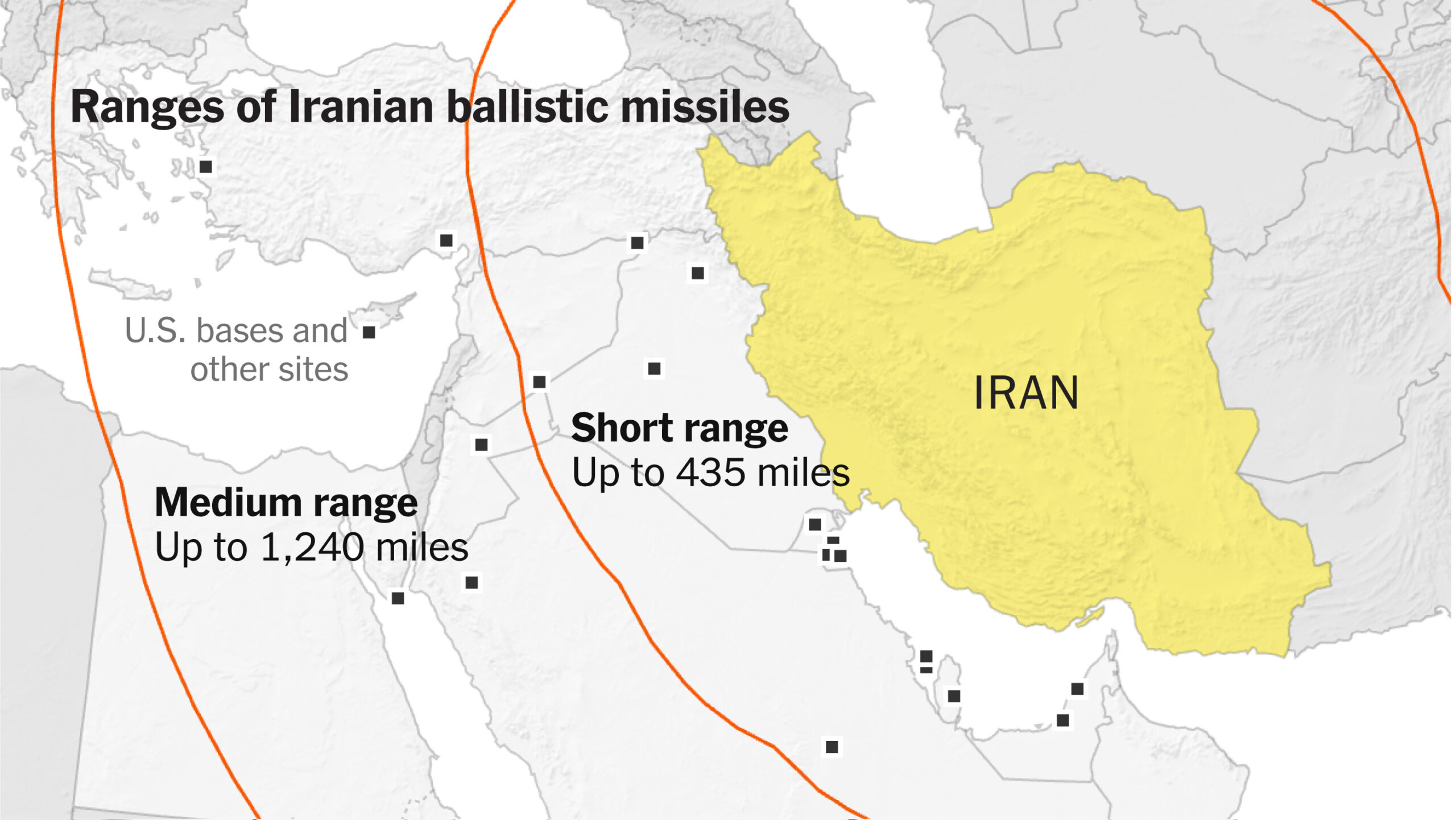
At 2:30 a.m. Eastern time on February 28, 2026, President Donald Trump appeared on Truth Social to tell the world that Operation Epic Fury had begun. Within hours, US and Israeli airstrikes had killed Supreme Leader Ali Khamenei, targeted Iran’s nuclear and missile infrastructure, and triggered an Iranian counter-barrage that struck US military installations across the Gulf from Kuwait to Qatar. The Strait of Hormuz — the narrow channel through which one-fifth of the world’s seaborne oil flows daily — effectively ceased to function as a global trade corridor. What followed was not merely a military confrontation. It was, instantly and simultaneously, a financial one.
The US-Iran conflict financial markets impact is now being measured in trillions, not billions. The S&P 500 has shed all of its 2026 gains in four trading days. Gold has broken historic highs. Oil is being repriced as a weapon, not a commodity. And central banks from Frankfurt to Tokyo have abruptly paused rate-cut deliberations they had spent months preparing. Understanding the full economic anatomy of this crisis — and the narrow but navigable diplomatic corridor that still exists — is no longer optional for any serious investor, policymaker, or business leader.
1: The Flashpoints and the Immediate Market Shock
The escalation was not unforeseeable. From late January 2026 onward, the United States had amassed air and naval assets in the region at a scale not seen since the 2003 invasion of Iraq. Wikipedia Markets were already on edge before the first bomb fell. When they did fall, the reaction was swift and severe.
The Cboe Volatility Index surged 18% in early Monday trading, while spot gold prices accelerated more than 2% to approach $5,400 an ounce. CNBC By March 3, the S&P 500 had slid more than 2% shortly after the opening bell to trade near 6,715, erasing all year-to-date gains and hitting a three-month low, with nearly 90% of S&P 500 stocks in the red and decliners outnumbering advancers 17-to-1 at the NYSE. Coinpaper
The energy market moved even harder. US crude oil rose 8.4% to $72.74 per barrel on the first Monday of the conflict, while global benchmark Brent jumped 9% to $79.45 — closing at their highest levels since the US and Israel bombed Iran’s nuclear facilities in June 2025. CNBC By Wednesday, Brent extended its gains to $82.76 a barrel, hovering near the highest level since January 2025, with WTI rising for a third day to $75.48 — and Brent now 36% higher year-to-date according to LSEG data. CNBC
The bond market defied its usual wartime script. Rather than rallying as a safe haven, Treasuries sold off as inflation fears dominated. The 10-year Treasury yield, which influences borrowing costs across the economy, fell as low as 3.96% before reversing course and rising to 4.04%. CNN By Day 4, with Brent above $82 and no ceasefire in sight, the 10-year was pressing toward 4.10% — precisely the wrong direction for a Federal Reserve that had spent most of early 2026 signaling rate cuts.
2: Sector-by-Sector Damage — A Stress Test for Wall Street
The US-Iran tensions stock market crash dynamic is not uniform. It is a story of violent rotation — capital moving decisively from growth to defense, from global to domestic, from risk to refuge.
Energy: The clear winner, perversely. Global oil majors traded higher, with Exxon Mobil up 4.1% in pre-market trading, Chevron up 3.9%, France’s TotalEnergies 3.6% higher, and Shell advancing 2.2%. CNBC Refiners with US-centric supply chains have additional insulation from the Hormuz disruption.
Airlines: The clearest victim. More than 1 million people were caught in travel chaos as another 1,900 flights were canceled in and out of the Middle East on Day 4, including from major hubs like Dubai. CNBC United, American, and Delta have seen shares drop 4–8%. Higher jet fuel costs compound the problem: approximately 30% of Europe’s jet fuel supply originates from or transits through the Strait of Hormuz. Al Jazeera
Defense contractors: Lockheed Martin, Northrop Grumman, and RTX gained 2–3% as military operations intensified. INDmoney These gains are likely to persist for weeks regardless of diplomatic outcome, as allied nations across Europe and the Gulf accelerate procurement.
Technology and semiconductors: The damage is more subtle but may prove more durable. Taiwan and South Korea — two of Asia’s most critical semiconductor manufacturing hubs — import the majority of their crude through the Strait of Hormuz. A sustained supply shock raises input costs, forces energy rationing decisions, and injects planning uncertainty into capital expenditure cycles. The impact of the Iran-Israel war on global economy in the semiconductor sector may only become visible in Q2 earnings guidance.
Shipping and insurance: Supertanker rates have hit all-time highs. Insurance withdrawal is doing the work that a physical blockade has not — the outcome for cargo flow is largely the same, with tanker traffic dropping approximately 70% and over 150 ships anchoring outside the strait to avoid risks. Kpler Goldman Sachs noted in a client memo that even without further physical disruptions, “precautionary restocking and redirection can raise already elevated freight rates further.” Those costs will transmit to consumers across petrochemical, plastics, and agricultural supply chains within weeks.
The aggregate market capitalization loss across US and European equities over four trading days exceeds $2 trillion — a figure that encompasses not just direct sector damage but the systemic repricing of risk across growth assets globally.
3: The Global Ripple Effects — Europe, Asia, and Gulf Sovereign Funds
No geography escapes the oil prices US-Iran conflict 2026 arithmetic. But the damage is not equally distributed.
Europe faces a particularly acute energy vulnerability. The continent, still structurally scarred by the 2022 Russian gas crisis, had stabilized its LNG supply chains through Qatari and Emirati routes — both of which now transit through a contested Strait. Bank of America warned that a prolonged disruption in the Strait could push European natural gas prices above €60 per megawatt hour. CNBC European benchmark Dutch TTF futures saw prices nearly double over 48 hours before easing on diplomatic headlines. The pan-European Stoxx 600 fell 2.7% on Day 4, with bank shares down 3.8%, insurance stocks down 4.2%, and mining stocks down 3.9%. CNBC
Asia carries the highest structural exposure. The majority of crude oil shipped through the Strait of Hormuz flows to China, India, Japan, and South Korea, accounting for nearly 70% of total shipments according to the US Energy Information Administration. Al Jazeera Goldman Sachs modeled that under a six-week Strait closure with oil rising from $70 to $85 per barrel, regional inflation in Asia could rise by approximately 0.7 percentage points, with the Philippines and Thailand most vulnerable and China facing a more modest increase. CNBC
Gulf sovereign wealth funds face a paradox that would be almost elegant if not for the human cost. Higher oil revenues theoretically boost fund inflows; but Iranian missile strikes on UAE, Qatari, Kuwaiti, and Saudi infrastructure create operational disruption and direct asset damage. Dubai International Airport — one of the world’s busiest aviation hubs — was struck. The UAE’s financial identity as a stable, neutral commercial center is being stress-tested in real time.
Central banks globally find themselves trapped between the inflation imperative and the growth shock. Nomura’s economists stated that “the ongoing Iran conflict solidifies the case for many central banks to hold rates steady for now,” leaving policymakers to juggle a delicate task of balancing inflationary risk against slowing growth. CNBC For the Federal Reserve, which had been building toward two rate cuts in 2026’s first half, the conflict could push that timetable to the fourth quarter at earliest — or eliminate it entirely.
4: The Only Viable Peaceful Exit Strategy — And Why It Can Still Work
This is where most analysis stops and where this piece begins in earnest. The diplomatic wreckage left by Operation Epic Fury is substantial. But it is not irreparable — and the economic pressure building on all sides is, paradoxically, the most powerful argument for a negotiated settlement.
Why a deal is structurally possible:
Trump told The Atlantic magazine on Day 2 that Iran’s new leadership wanted to resume negotiations and that he had agreed to talk to them: “They want to talk, and I have agreed to talk, so I will be talking to them.” CNBC Iran’s provisional leadership — a council comprising President Masoud Pezeshkian and senior officials — is navigating an existential moment without Khamenei’s ideological authority. That creates both fragility and, crucially, flexibility. Importantly, just before the strikes began, Oman’s Foreign Minister said a “breakthrough” had been reached and Iran had agreed both to never stockpile enriched uranium and to full verification by the IAEA. House of Commons Library The architecture of a deal already existed. It was not lack of diplomatic progress that triggered the war — it was the decision to strike before that progress could be formalized.
A realistic peaceful exit strategy for US-Iran requires four sequential steps:
Step 1 — Ceasefire and maritime corridor restoration (Days 1–7). The immediate priority is humanitarian and commercial. Trump has already offered US Development Finance Corporation insurance for tankers transiting Hormuz and pledged naval escorts. Oil prices eased significantly after Trump’s announcement, with Brent up 3% rather than the 10%+ of earlier sessions. CNBC This signals that markets will respond immediately to credible de-escalation signals. Oman, which hosted the February Muscat talks and whose Foreign Minister declared progress “within reach,” is the natural first-mover for a ceasefire framework. Qatar and Turkey — both of which have maintained functional working relationships with Tehran — can serve as parallel channels.
Step 2 — UN Security Council monitoring framework (Days 7–21). Historical precedent is instructive. The 1981 Algiers Accords, brokered by Algeria after Iran held 52 Americans hostage for 444 days, succeeded precisely because a credible neutral third party structured the terms and each side could claim a form of victory. A UN-monitored ceasefire framework — with the IAEA resuming real-time access to Iranian nuclear sites — addresses Washington’s core stated objective while giving Iran’s provisional government a face-saving mechanism to halt counter-strikes.
Step 3 — Phased sanctions rollback tied to verifiable nuclear benchmarks (Weeks 3–8). Iran’s economy was already in crisis before the first airstrike. Iran’s GDP per capita had fallen from over $8,000 in 2012 to around $5,000 by 2024. Wikipedia The incoming provisional leadership will face acute pressure from a population that was already staging the largest protests since the 1979 revolution. Economic relief — even partial and phased — is the most powerful leverage a negotiating framework can offer. The pre-existing Geneva blueprint, imperfect as it was, provides a workable skeleton.
Step 4 — A Gulf security architecture with multilateral guarantees (Months 2–6). The enduring lesson of every prior US-Iran de-escalation cycle is that bilateral deals without regional buy-in collapse under the weight of proxy conflicts and domestic political pressure. Saudi Arabia, the UAE, Qatar, and Turkey need to be co-signatories or formal witnesses to any sustainable settlement — not merely passive observers. Saudi Crown Prince Mohammed bin Salman’s reported calls to Trump before the strikes demonstrate that Gulf states are not passive in this conflict. Their inclusion in a permanent security framework is the difference between a ceasefire and a durable peace.
The economic logic is unambiguous: every week the Hormuz disruption persists, global GDP loses an estimated $25–30 billion in foregone trade flows, supply chain disruption, and elevated energy costs. A month of full disruption — Goldman Sachs’s $100-per-barrel scenario — would represent one of the largest deflationary shocks to global growth since the 2008 financial crisis. That shared economic pain is, historically, what finally moves adversaries from battlefield to negotiating table.
5: The Investor Playbook — What to Buy, Hedge, or Avoid Right Now
The safe haven assets during US-Iran crisis playbook is partially conventional, partially counterintuitive in this specific conflict.
Strong conviction positions:
- Gold: J.P. Morgan raised its gold price target to $6,300 per ounce by the end of 2026, reflecting sustained geopolitical risk as a structural driver. CNBC At $5,300–$5,410 currently, the upside thesis remains intact.
- US energy majors: Exxon, Chevron, and their European equivalents remain direct beneficiaries of elevated Brent until Hormuz normalizes.
- Defense contractors: Northrop Grumman, RTX, and L3Harris benefit from both the current operational tempo and the inevitable allied defense spending acceleration that follows every regional escalation.
- US dollar and short-duration Treasuries: The dollar index has erased its 2026 losses. Short-duration bills offer inflation-adjusted protection without the duration risk of 10-year bonds in an inflationary environment.
Positions to hedge or reduce:
- Airlines: Avoid until Hormuz reopens and jet fuel normalizes. The dual pressure of higher fuel costs and collapsed Middle East route revenue is a structural problem, not a temporary one.
- Emerging market equities, particularly Asian importers: The Philippines, Thailand, and South Korea face the most acute oil-import cost exposure.
- European utility companies: Natural gas price volatility creates margin compression that takes quarters to appear fully in earnings.
- Tech and growth equities with elevated multiples: Not because of direct exposure to the conflict, but because sustained higher oil prices reinforce the “higher for longer” rate narrative that compresses price-to-earnings multiples in high-duration assets.
The contrarian opportunity: Inverse VIX instruments and long equity positions become interesting only when a ceasefire signal appears credible. History is clear on this: geopolitical shocks that are followed by negotiated settlements produce sharp equity rebounds. Trump’s own statement that Iran wants to talk is the first credible signal since Operation Epic Fury began.
Conclusion: The Clock Is Expensive
Every day the Strait of Hormuz remains effectively closed, the hidden economic meter runs. The $2 trillion figure in this piece’s headline is not a speculative construct — it is a conservative aggregation of market capitalization losses, disrupted trade value, inflation uplift, and foregone GDP that is already being booked into the global economy’s ledgers.
The exit, however, exists. It requires Trump to convert his Atlantic interview signal into a formal back-channel offer, Oman to reconvene the Muscat framework under UN auspices, and Iran’s provisional government to recognize that economic survival and a negotiated nuclear settlement are not separate imperatives but the same one. European natural gas futures dropped as much as 12% in a single session on reports that Iranian operatives had reached out to discuss terms for ending the conflict Euronews — a reminder of just how swiftly markets reward even the whisper of diplomacy.
The conflict is four days old. The diplomatic infrastructure that nearly prevented it is, remarkably, still partially intact. Whether the economic shock of the Hormuz crisis finally proves more persuasive than the ideology that created it remains the defining geopolitical and financial question of 2026.

KSE-100 Plunges Amid Geopolitical Firestorm — But Islamabad Holds the World’s Attention

The Trump Coin and Lessons from the Ostrogoths: How a Gold Offering Reveals the Limits of Presidential Power Over America’s Money

Gaming Giant’s Bold Gamble: Why Investors are Devouring Risky EA Debt Amid Geopolitical Crosscurrents

Top 15 Stocks for Investment in 2026 in PSX: Your Complete Guide to Pakistan’s Best Investment Opportunities
Top 15 Stocks for Investment in 2026 in PSX: Your Complete Guide to Pakistan’s Best Investment Opportunities

Debunking IMF Program Myths: Reconfiguring Engagement for True National Ownership in a Volatile World
-
 Markets & Finance3 months ago
Top 15 Stocks for Investment in 2026 in PSX: Your Complete Guide to Pakistan’s Best Investment Opportunities
-
Markets & Finance3 months ago
Top 15 Stocks for Investment in 2026 in PSX: Your Complete Guide to Pakistan’s Best Investment Opportunities
-
 Analysis2 months ago
Debunking IMF Program Myths: Reconfiguring Engagement for True National Ownership in a Volatile World
-

 Global Economy3 months ago
What the U.S. Attack on Venezuela Could Mean for Oil and Canadian Crude Exports: The Economic Impact
-

 Investment3 months ago
Top 10 Mutual Fund Managers in Pakistan for Investment in 2026: A Comprehensive Guide for Optimal Returns
-

 Asia3 months ago
China’s 50% Domestic Equipment Rule: The Semiconductor Mandate Reshaping Global Tech
-

 AI3 months ago
15 Most Lucrative Sectors for Investment in Pakistan: A 2025 Data-Driven Analysis
-

 Exports3 months ago
Pakistan’s Export Goldmine: 10 Game-Changing Markets Where Pakistani Businesses Are Winning Big in 2025